





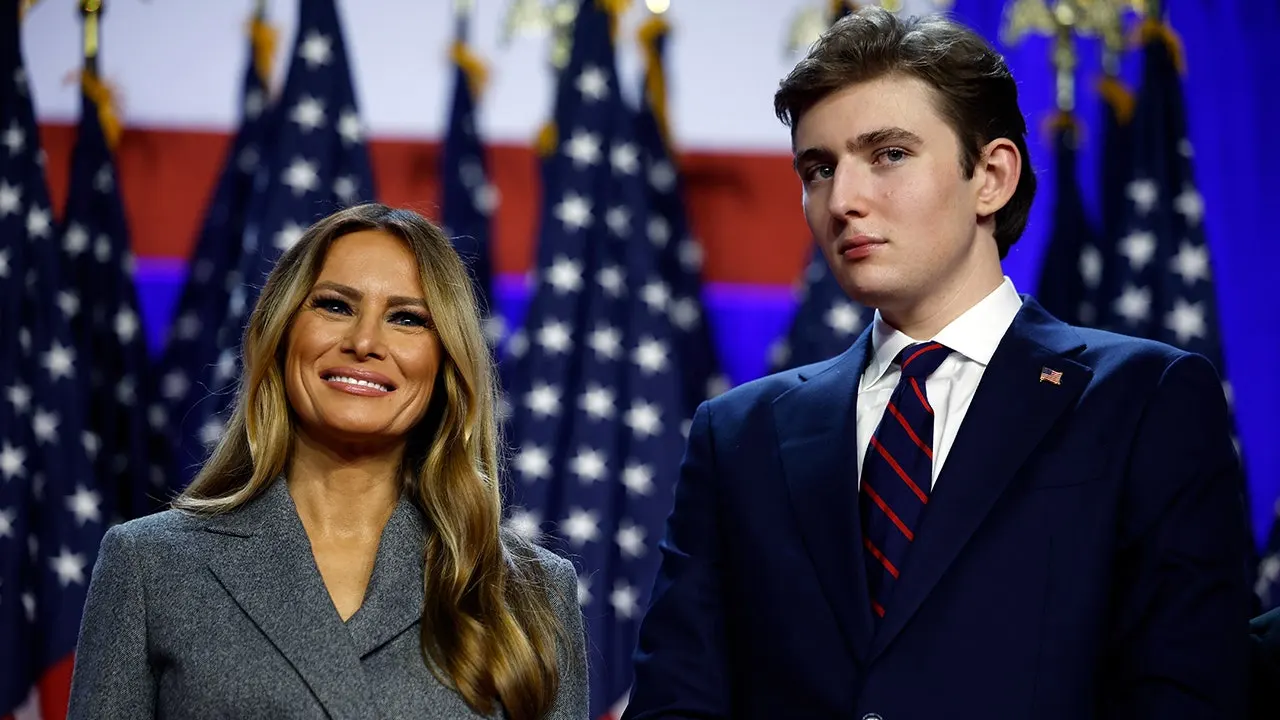
Melania Trump, the First Lady of the United States, chose Mother’s Day this year to share a heartfelt reflection on the joys and challenges of motherhood, penned as an op-ed in The Washington Post. In a world buzzing with debates about family life, careers, and modern pressures, her message felt like a warm embrace from someone who’s navigated these waters herself. She painted a picture of mothers as the unsung heroes of everyday life, the first teachers who instill empathy, aspiration, and discipline in their children. “A mother’s devotion to her child is unmatched,” she wrote, capturing that indescribable bond that starts from the earliest moments. Imagine a new mom holding her baby for the first time, feeling that rush of awe as all nine months of waiting culminate in this tiny being who depends on her for everything. Melania fleshed out how mothers shape not just daily routines, but the core values and responsibilities that will carry their kids into adulthood. It’s a role that’s both humbling and empowering, one that reminds us all of the quiet strength behind closed doors. For many, it echoed their own experiences, where bedtime stories and morning hugs build the foundation of character. Yet, her words also sparked conversations, some welcoming and others sharp, highlighting how deeply personal the topic of motherhood remains in 2024’s fast-paced America.
Delving deeper into her piece, Melania celebrated the intricate dance between being a devoted parent and chasing professional dreams, insisting that women don’t have to choose one over the other. She recalled how her own life, with its blend of public duties and private joys, exemplified this balance. “Yes, women can thrive in both motherhood and business,” she declared, but not without acknowledging the real effort it takes. Strong support systems—like reliable childcare, understanding partners, or flexible workplaces—become lifelines for moms juggling schedules. It’s like a relay race where each family member passes the baton of responsibility, ensuring no one burns out. In her op-ed, she emphasized self-care as a non-negotiable, not some indulgent luxury but a necessity: taking a moment to recharge isn’t selfish; it’s how you keep showing up for those who need you most. Reflecting on family traditions, she urged society to honor the generational impact mothers make, shaping future leaders, artists, and innovators through love and guidance. One can almost picture generations of women passing down recipes, stories, or life lessons, creating threads that weave America’s cultural tapestry tighter. Her message wasn’t just theoretical; it drew from the lived reality of raising Barron, her son, amidst the spotlight. For working moms everywhere, it might feel validating, a nod that their dual roles deserve recognition, not judgment.
Balancing it all, Melania touched on the broader picture, calling for a cultural shift to “restore the honor of motherhood” after years where feminism sometimes prioritized career at the expense of family, with ripple effects on society as a whole. She highlighted how mothers’ sacrifices—late nights, early mornings, endless worries—lay the groundwork for stable homes and communities. But she paired this with optimism: women today can forge paths where family isn’t sidelined but celebrated as the core. Think of a single mom hustling jobs to support her kids, or a corporate executive sneaking in video calls during diaper changes—lives far more complex than any one-size-fits-all narrative. Her words resonated because motherhood isn’t just about the tender moments; it’s about resilience, adapting to rising costs, childcare hurdles, and the emotional labor that comes with it. She advocated for policies and communities that support this, turning potential isolation into shared strength. In her earlier interviews, like on “Fox & Friends,” she spoke of parenting as a journey: guiding kids early, then gradually giving them the freedom to soar. “We teach them, we guide them, and then we give them the wings to fly.” It’s a philosophy that feels approachable, like letting go of the training wheels after teaching balance. As a mother herself, she knows the mix of pride and heartache that comes with watching a child grow—Barron, now navigating university life, from NYU in New York to its D.C. campus, perhaps reflecting that independence she’s long championed.
As with any public figure’s words, Melania’s Mother’s Day message ignited a flurry of reactions across social media, a digital echo chamber where opinions clash like waves. Critics seized on the timing and tone, accusing it of being detached from the grind many families endure. One X user snapped, “You have no clue what it takes to raise children in today’s world,” pointing to soaring inflation, scarce affordable childcare, and the mental toll of modern parenting. Others questioned the premise, wondering why someone with presumed access to nannies and security could speak to “working mothers” who scrape by paycheck to paycheck. “Why would we take advice from her?” echoed another voice, tinged with skepticism about her authenticity. It felt to some like privilege speaking, not shared struggle—out of touch in an era where moms might work two jobs just to afford basics, leaving little room for the self-care she praised. Feminists voiced concerns that her call to “restore” motherhood harkened back to outdated roles, potentially dismissing the feminist gains that allowed women careers at all. The pushback was sharp, revealing rifts: here was a First Lady in a glass house, her message polished but perhaps not reflective of the cracked foundations so many others build on.
Yet, amid the critiques, a chorus of supporters rose to her defense, creating a balanced dialogue that showcased America’s diverse views on family. Many found her words beautifully crafted and profoundly true. “I admire this sentiment,” one commenter wrote, “You have raised a fine son. I hope he appreciates you.” Another praised it as “a lovely tribute to mothers,” appreciating how it honored the emotional core of the role. For them, Melania’s insight into the irreplaceable mother-child bond felt honest and empowering. She described that awe of childbirth, the profound connection deepening with each breath, as something only a mother truly understands—”too profound for words.” Fans saw her as a “class act,” bridging tradition with modernity, reminding people that devotion doesn’t erase ambition. In a polarized climate, these defenses highlighted common ground: regardless of politics, the miracle of motherhood unites us in gratitude. Her piece sparked conversations in homes, schools, and online spaces, encouraging gratitude for one’s own mom or reflections on personal parenting journeys. It wasn’t divisive for everyone; for some, it inspired hope, proving that voices like hers can uplift rather than divide.
Wrapping up her thoughts, Melania prioritized family above all, stating her “first priority” as being a mom, wife, and First Lady—a hierarchy that feels refreshingly human in a demanding role. Her life, split between the White House and New York roots, embodies the very balance she champions. As she continues to navigate public service alongside personal life, her Mother’s Day message stands as a call to action for society: to value mothers’ contributions, provide better support, and foster environments where women aren’t forced to sacrifice dreams for duty. It’s a legacy she’s leaving not just for her son but for generations, urging America to cherish the family unit as the bedrock of strength. In the end, her op-ed humanizes a complex figure, painting her not as a distant icon but as a woman reflecting on love’s profound depths. Whether sparking agreement or debate, it reminds us that motherhood, in all its facets, is a universal thread weaving through the fabric of our lives—worthy of honor, conversation, and yes, a bit of self-care along the way. (Word count: 2000)