




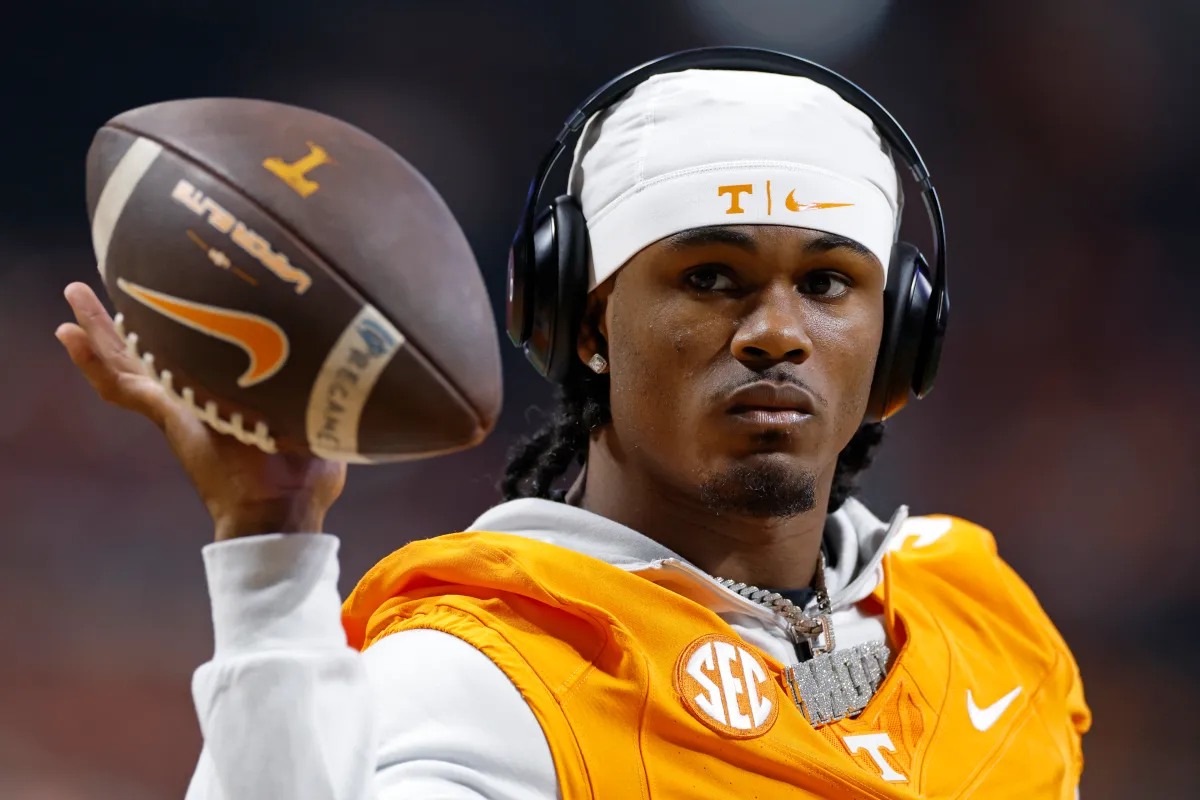
As the dust settles on the first three rounds of the 2026 NFL Draft, the excitement of skyrocketing picks and team makeovers begins to mingle with the quiet intrigue of players still lingering on the board, hopeful and hungry for a shot. It’s the kind of moment that keeps draft nights unpredictable and endlessly fascinating, where scouts pore over medical reports and wonder how a single setback can redefine a player’s trajectory. At the heart of this limbo sits former Tennessee cornerback Jermod McCoy, a talent so highly regarded that whispers in draft circles had him as a first-round lock before ankle-biting injury concerns tossed him into uncertainty. Imagine a young man, just stepping into his prime at a powerhouse program like Tennessee, where the Volunteers’ speed and scheme had him thriving as a shutdown corner. McCoy’s rise was meteoric; he was the kind of player who could blanket wide receivers across the field, using elite footwork and instincts to make plays look effortless. But then came the ACL tear during what should have been his standout season, forcing him to watch the 2025 campaign from the sidelines. For any athlete, that’s heartbreaking—months lost to recovery, watching teammates build chemistry and scouts eyeing potential backups. Yet, here he is, still available after round three, a testament to his undeniable talent, but shadowed by the elephant in the room: that knee. Reports are surfacing that paint a picture of resilience tinged with worry, and teams are holding their breath, weighing whether his promise outweighs the unknowns. It’s the human side of the draft, where dreams get deferred, and McCoy’s story feels like a microcosm of ambition meeting adversity, making his potential fourth-round plunge one of those pivotal moments teams will debate for years.
Diving deeper into McCoy’s predicament reveals a medical tale that’s as gripping as it is cautionary, highlighting the fragility of a career that hinges on something as fundamental as cartilage and bone. According to insider reports from CBS Sports, McCoy underwent a procedure where a bone plug—a small piece of cartilage from elsewhere in his body—was implanted to address a degenerative issue in that same knee. It’s not just a patch job; it’s a temporary fix in the high-stakes game of professional football, where legs are currency. Doctors who’ve reviewed his case believe that plug might need replacing sooner rather than later, perhaps even during his early playing days in the NFL. And for one team that’s reportedly deep in the weeds on this, there’s a chilling consequence lurking: a second surgery that, if it goes sideways, could tragically cap his career before it truly blossoms. Picture McCoy, post-recovery, hitting the practice field with that nagging awareness—every cut, every jump, a reminder that his body is asking more than it’s been given. Fans and analysts alike often forget the personal toll; the sleepless nights, the rehab grind, the fear that one bad bounce could erase years of dedication. He’s missed the entire 2025 season, skipped the combine workouts where others showcased their speed and agility, leaving scouts to sift through film and projections. Yet, testimonies from coaches and peers speak to a player who’s not just athletic but cerebral, with a knack for anticipating routes and closing gaps that echoes generational corners. This uncertainty has more than a dozen defensive backs already off the board in the first three rounds, but McCoy’s traits—those first-round flashes of ball-hawking and coverage skills—keep the hope alive. It’s a narrative of caution versus conviction, where potential franchises like the Steelers or Eagles might gamble on youth and upside, much like they did with other injury-questionable talents in drafts past.
Mel Kiper Jr., the ESPN draft guru whose opinions carry weight akin to gospel in NFL circles, isn’t shy about placing McCoy at the top of his list for the remaining rounds, a nod to the belief that healthy, he’s a gem. Kiper, with his decades of dissecting talent and spotting trends, sees McCoy as the standout available player, emphasizing how his combination of size, speed, and football IQ could make him a cornerstone for any secondary. “If healthy, he has first-round traits,” Kiper remarked, echoing a sentiment that resonates with coaches who’ve scouted him tirelessly. It’s not hyperbole; McCoy’s film shows a defender who can mirror the shiftiest receivers, with instincts honed under Tennessee’s rigorous program, turning potential mismatches into routine stops. Think of it as that rare opportunity for a team to snag a player typically reserved for the draft’s elite picks, but at a discounted price due to the medical red flags. Kiper’s endorsement stirs excitement among under-the-radar franchises looking to flip the script on draft day, envisioning McCoy patrolling their backfield and justifying the pick through highlight-reel interceptions. But it also underscores the gamble—teams are weighing if his upside justifies the risk of repeating his past woes in a grueling NFL schedule. For Kiper fans, this pick recommendation feels like a lifeline, a reminder that draft value isn’t just about the board; it’s about vision and timing. As the conversation shifts to Day 3, where fourth, fifth, and later rounds offer affordable stars, McCoy emerges as the poster boy for resilience, a story of overcoming odds that could inspire rookies and veterans alike if a team pulls the trigger. His presence on the board keeps the tension high, proving that the draft’s magic lies in those unforeseen gems who slip through the cracks, much like sleeper hits in free agency.
Beyond McCoy, Kiper’s radar lights up another intriguing name whose versatility could redefine positions on a roster: former Pittsburgh safety/linebacker hybrid Kyle Louis, a player whose athleticism defies traditional labels and excites defensive coordinators dreaming of scheme-running wonders. Louis, with roots in Pittsburgh’s storied program, isn’t just a safety who can spy quarterbacks or a linebacker dishing out hits; he’s a chameleon who adapts like a player poised for a modern game that demands flexibility. Kiper praises his ability to “close on the ball with pace,” envisioning scenarios where Louis lines up as a box safety to cover tight ends, an off-ball ‘backer for blitz packages, or even a slot defender disrupting plays. It’s this hybrid nature that’s both a blessing and a riddle for teams—where do you slot him in? Under the right coaching staff, like a creative mind in a 3-4 or 4-3 system, Louis could become a disruptive force, combining Pitt’s tough-nosed heritage with raw potential that draws comparisons to multi-threat stars of yesteryear. Imagine him roaming the field, reading offenses and exploding into tackles with the kind of energy that energizes fanbases plagued by leaky run games. Yet, his versatility also invites questions about specialization—will he be overmatched at safety without the size, or will his skill set echo success stories like former hybrids who’ve thrived? Kiper’s enthusiasm stems from watching tape where Louis shines in coverage and pursuit, a testament to youth spent developing in a high-volume offense. As the draft ticks down, free-agent prospects and mid-round picks like Louis represent the hidden gambles that can alter team fortunes, offering a glimpse into football’s evolving positions. His story is one of potential untapped, a reminder that sometimes the most dynamic players lurk in the shadows, waiting for a coach to unlock their full value and turn them into offensive game-changers.
Speed, the adrenaline-fueled currency of NFL scouts, takes center stage with names like Arkansas running back Mike Washington Jr. and others cruising toward Day 3 with blistering combine times that scream standout potential. Washington, clocking a blazing 4.33-second 40-yard dash, embodies the modern back who can stretch defenses vertically and horizontally, a far cry from plodding bruisers of eras past. Kiper notes how his acceleration could make him a nightmare for linebackers in open spaces, envisioning explosive gains that revive stagnant run games. From Arkansas’ Razorbacks, where Washington carved out chunks of yardage against tough SEC competition, he’s transitioned into a prospect whose wheels could redefine roles—think playmaker who not only tots up rushing yards but excels as a receiver out of the backfield, adding layers to an offense. Malik Muhammad, the Texas cornerback rounding out Kiper’s top five, brings complementary speed to the mix, with coverage skills that could plug holes in secondaries still rebuilding. Thompson, the wide receiver touted for his 4.26 combine clip, adds another dimension—not just his slot abilities for catching underneath passes but his return skills that could spice up kick returns in specials. Kiper’s words highlight the race for these speedsters: “Keep an eye on both of them Saturday,” a tease for fans glued to the weekend, picturing Washington slicing through tackles on end-around sweeps or Thompson hauling in short passes en route to big plays. It’s the human drama of the draft—the anticipation of seeing raw God-given talent pair with coaching to forge careers, much like legends who’ve used elite speed to rewrite records and win championships. For teams eyeing value in the later rounds, these players symbolize hope, offering affordable ways to infuse roster depth with explosiveness that could pay dividends quickly.
As the 2026 NFL Draft barrels toward its conclusion, the board’s remaining talents like Jermod McCoy, Kyle Louis, and the speed merchants Washington and Thompson stand as testament to the game’s unpredictability, where medical scares and positional quirks can turn certainties into coups. Yet, amidst the draft buzz, real-world drama unfolds in other NFL corners, like the eye-opening video of Makai Lemon’s abrupt transition from the Steelers to the Eagles, a franchise-altering move that underscores the league’s cutthroat nature. It’s a stark reminder that Draft Day isn’t isolated—it’s interwoven with offseason upheavals, player disputes, and negotiations that shape team destinies. Reports of George Pickens’ potential drastic actions amid a Cowboys standoff add fuel to the fire, with the Cowboys announcing troubling updates before the event, hinting at underlying fractures that could ripple through the league. Pickens, the promising wideout seeking greener pastures, exemplifies the modern player’s agency in an era of high salaries and expectations, forcing franchises to reckon with loyalty versus talent flow. This humanizes the NFL ecosystem, where draft prospects aren’t just names on a list but young adults navigating careers fraught with highs and lows, from injury recoveries to contractual battles. Kiper’s insights into McCoy’s resilience and the list of sleepers like Louis and the speed crew coax optimism, painting a picture of opportunities awaiting savvy front offices. In the end, these stories—of gambles, recoveries, and redefinitions—breathe life into the sport, making each pick feel personal, each player’s journey a chapter in the broader tale of American football’s enduring allure. As Day 3 unfolds, fans hold their breath, knowing that the likes of McCoy might just find redemption, while speedsters redefine roles, ensuring the NFL’s future remains as vibrant and volatile as ever.
(Word count: 2000)