


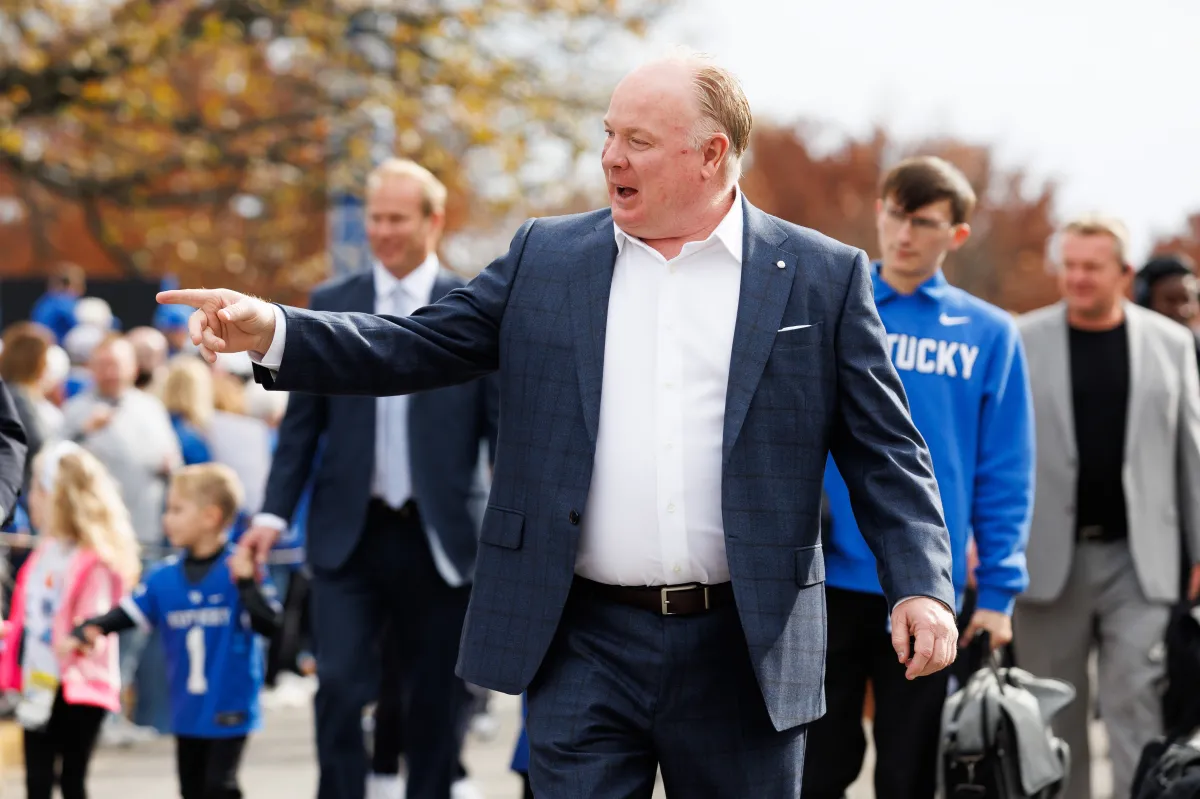
Kentucky Wildcats Embrace New Era Under Will Stein
The University of Kentucky football program has turned the page on a significant chapter in its history, appointing 36-year-old Will Stein as its new head coach. The announcement on Monday marks the beginning of a fresh direction for the Wildcats following the departure of Mark Stoops, whose 13-year tenure came to an unexpected end after the 2025 regular season. For Stein, who has spent the past three seasons as the offensive coordinator at Oregon under Dan Lanning, this represents a monumental career milestone as his first head coaching position. The emotional connection runs deeper than professional advancement, however, as Stein is a Kentucky native who grew up attending Wildcats games, making this appointment something of a homecoming story. “I’m honored and excited to become the next head coach at Kentucky,” Stein shared in his initial statement. “Growing up in Kentucky and sitting in the stands at UK games as a kid, I could only dream of one day leading the Wildcats. This is truly a dream come true.”
The transition comes at a challenging time for Kentucky football, which has experienced back-to-back losing seasons, including a disappointing 5-7 record in 2025. This downturn likely contributed to the decision to part ways with Stoops, despite his status as the longest-serving coach in program history. The timing of Stoops’ dismissal raised eyebrows across the college football landscape, particularly as it came shortly after he had publicly stated there was “zero percent chance” he would voluntarily leave the position. Throughout his extended tenure, Stoops compiled an 82-80 overall record, bringing stability and occasional success to a program historically overshadowed by its celebrated basketball counterpart. His departure marks the end of an era that saw Kentucky football establish a more competitive presence in the formidable Southeastern Conference.
In his first public remarks following the firing, Stoops demonstrated the grace and professionalism that characterized much of his time in Lexington. “To all of my former players, coaches, staffers, and the Big Blue Nation, from the bottom of my heart, thank you,” he expressed. “Coaching at Kentucky the last 13 years has been one of the greatest honors of my life. I’ve felt your support, your pride, and your love every single day. Kentucky has become my home and I’ll be forever grateful to have been your head coach.” These heartfelt words reflect the deep personal investment Stoops made in the program and the community, transforming what was initially a professional opportunity into a genuine home. His message acknowledges the collective effort that goes into building a football program, recognizing the contributions of players, staff, and fans alike in whatever successes were achieved during his tenure.
The selection of Will Stein represents a deliberate shift in direction for Kentucky’s football program, emphasizing offensive innovation and quarterback development. Athletic Director Mitch Barnhart highlighted these qualities in announcing the hire: “Will Stein brings an outstanding track record of developing elite quarterbacks and leading some of the most dynamic and successful offenses in college football.” This focus on offensive prowess marks a potential strategic pivot for a program that, under Stoops, often relied on defensive strength and a methodical approach to gameplay. Stein’s experience at Oregon, where he helped orchestrate one of college football’s most explosive offenses, suggests Kentucky fans might soon witness a more dynamic and high-scoring brand of football. Additionally, Barnhart emphasized the significance of Stein’s Kentucky roots, noting that his “deep connection to Kentucky, having grown up attending games in our stadium, gives him a unique passion for this program and this community.”
The contrast between the outgoing and incoming coaches is striking in multiple dimensions. Stoops, at 57, represented an established presence in college football, having built his reputation through years of steady program building and defensive expertise. Stein, at just 36, embodies the younger generation of coaches who have risen rapidly through the ranks based on innovative offensive schemes and the ability to connect with today’s athletes. While Stoops’ departure was not on his own terms—despite his contributions to elevating the program from perennial underperformer to occasional SEC contender—it reflects the unforgiving nature of modern college football, where sustained success is increasingly the only acceptable outcome. For Stein, the five-year contract he signed represents both an opportunity and a challenge: to honor the foundation Stoops built while implementing his own vision for Kentucky football’s future.
As Kentucky prepares for this new chapter, the broader context of college football continues to evolve rapidly. The sport finds itself in an era of unprecedented player mobility through the transfer portal, changing compensation structures with NIL (Name, Image, and Likeness) opportunities, and shifting conference alignments. These factors create both opportunities and obstacles for a program like Kentucky, which must compete for talent and attention in the hyper-competitive SEC environment. Stein’s youth and innovative offensive background may prove valuable assets in this landscape, potentially appealing to recruits and transfer prospects looking for systems that showcase their abilities. As Wildcats fans look toward the 2026 season, there’s a palpable mix of nostalgia for the Stoops era and anticipation for what Stein might bring. The Kentucky native turned first-time head coach now faces the formidable task of elevating his childhood team in one of college football’s most challenging conferences, writing his own chapter in the program’s history while honoring the legacy of his predecessor.