




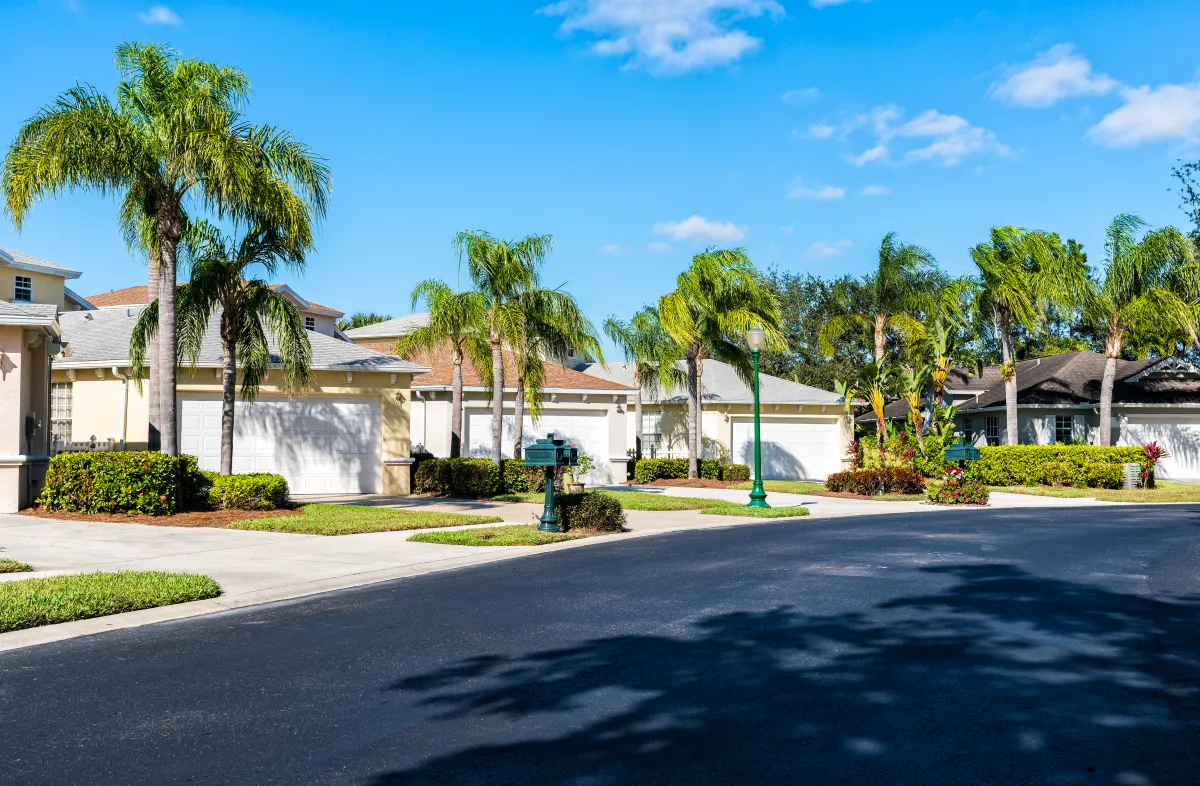
Imagine strolling through a quiet suburban neighborhood on a sunny afternoon, where the lawns are impeccably manicured and the houses tell stories of decades of families, laughter, and memories. But behind those well-kept facades lies a growing trend that’s reshaping the American housing market: older adults, particularly those over 65, own a hugely disproportionate slice of the real estate pie. According to fresh data from the National Association of Home Builders (NAHB), these folks make up just 18 percent of the U.S. population—about 61.2 million people—but they hold onto roughly a third of all housing units in the country, totaling 29.6 million homes. Think about it: this includes a mix of baby boomers, those vibrant souls aged 62 to 80 who’ve worked tirelessly, and the Silent Generation, those over 81 who witnessed World Wars and moon landings. Many of them aren’t just sitting still; they’re actively downsizing, packing up for multigenerational homes where grandkids might run around, or settling into cozy retirement communities with golf courses and leisurely days. Others might be preparing to hand over the keys to their adult children, sparking what experts call the “Great Wealth Transfer.” Wealth managers like Cerulli Associates estimate that by 2048, younger generations could inherit up to $124 trillion in assets, turning these family estates into generational lifelines. It’s a bittersweet shift: the joy of legacy mingled with the practicalities of an aging population. Picture an elderly couple in their beloved three-bedroom home, reminiscing about raising kids there, now debating whether to cram into a condo for easier maintenance. This mass movement isn’t just personal; it’s economic, as these homes flood the market. In bustling cities, that might get absorbed quickly, but in slower regions with meager immigration, it could create a glut—like too many apples in a barrel that nobody takes. The human element here is heartwarming yet daunting: retirees chasing dreams of warmer climes, leaving behind nests for the next wave, but not always aligning with where the young dream to settle. We’ve all heard stories of inheriting grandma’s Victorian house, turning it into a flip or family haven, but on a national scale, it’s a tidal wave of change that could redefine neighborhoods and economies alike. This phenomenon ties into broader life cycles—aging in place vs. adventurous relocation—and reflects how personal choices ripple out to influence entire markets. For older Americans, it’s about comfort and legacy; for the rest of us, it’s an opportunity to rethink community and housing equity. As society ages, these shifts invite us to ponder familial bonds and the houses that hold them together, reminding us that real estate isn’t just property—it’s the backdrop of our lives. Experts warn that without careful planning, mismatches between where the old dwell and the young aspire could exacerbate shortages or surpluses, affecting everything from resale values to community vibrancy. Ultimately, this isn’t just data; it’s a narrative of transitions, where one generation’s home becomes another’s foundation, blending nostalgia with new beginnings in unpredictable ways.
Zooming in on the map, where do these older homeowners cluster? Unsurprisingly, they gravitate toward coastal havens and milder climates, far from harsh winters that nip at the bones. Florida stands out as a magnet, with seven of the top 10 metro areas boasting the highest shares of homes owned by those over 65. Leading the pack is Wildwood-The Villages, a sprawling retirement enclave that’s essentially the world’s largest senior community, where 68.2 percent of homes are occupied by these seasoned folks. Imagine a lush landscape dotted with clubhouse-like homes, designed for ease and social grace, where daily activities revolve around pickleball and potluck dinners. Right behind it are other Florida gems: Homosassa Springs at 52.7 percent, Punta Gorda at 52.5 percent, Sebastian-Vero Beach-West Vero Corridor capping at 50.9 percent, and Naples-Marco Island rounding out the Sunshine State strongholds with 49 percent. These aren’t random spots; they’re deliberate choices for year-round warmth, from serene Gulf Coast vistas to vibrant coastal communities. But Florida isn’t alone in this draw. Arizona’s Prescott Valley-Prescott checks in at 48 percent, where arid deserts meet pine forests, attracting retirees seeking dry air and proximity to outdoor adventures. Massachusetts, with its historic charm, has Barnstable Town at 48.4 percent, a coastal area evoking quaint New England summers. And Santa Fe, New Mexico, at 42.7 percent, blends Southwestern mystique with cultural flair, drawing artists and wanderers to its hilly landscapes. Living in these places feels like curated retirement: low-key, scenic, and replete with amenities tailored to later-life joys, from fishing docks in Sebastian to art galleries in Santa Fe. Yet, this concentration paints a picture of segregation by age—thriving pockets where silver hairs outnumber millennials, creating enclaves that prioritize walkability for sore knees over nightlife for the spry. Residents often share stories of moving south to escape northern blizzards, trading snow-shoveling for ocean breezes, and forging networks of like-minded peers. It’s a relatable exodus, mirroring personal journeys of seeking peace and simplicity, but it also highlights regional disparities: while Florida blooms with pensioners, other states see younger crowds dominating. This geographic split underscores how lifestyle preferences shape demographics, turning retirement destinations into demographic hubs. As families relocate, they bring economic boosts through property investments, but the flip side is potential isolation for those craving diverse communities. Conversations in Wildwood might revolve around golf scores, not gig economies, illustrating a lived separation that could widen generational divides. Ultimately, these coastal clusters represent a deliberate life chapter, where comfort trumps convenience, inviting reflection on how we design spaces for every age.
When these older Americans decide it’s time to move on—whether by choice, downsizing, or through the natural course of life—their homes enter a dynamic marketplace, potentially ushering in what could be called a “Great Inheritance Wave.” Experts project that as properties pass to children and grandchildren, trillions in equity will transfer, offering financial lifelines for younger families. Envision a scenario where a couple in Homosassa Springs passes away, leaving behind a spacious waterfront home worth hundreds of thousands—suddenly, their heirs face decisions: keep it as a vacation spot, sell it for a hefty sum, or transform it into a rental for steady income. This isn’t mere numbers; it’s profoundly human, infusing family sagas with tangible value. The NAHB’s analysis reveals headship rates—essentially, which age groups head households—showing that areas heavy with older residents often grapple with housing shortages, while younger folk in bustling zones face steep competition. Think of it as a relay race where boomer torchbearers hand off homes, but not every locale is equipped for the exchange. In thriving metros like New York or Los Angeles, demand from young professionals absorbs supply effortlessly; those units are snapped up for high-rise apartments or flipped condos, keeping the market humming. However, in retirement hubs like The Villages, where homes are off-limits to under-55 buyers and job markets sputter, a flood of listings might lead to stagnant sales, lower prices, and frustrated sellers. Stories abound of families inheriting properties only to realize local economies don’t support quick flips, turning joyful legacies into logistical burdens. The wealth transfer embodies hope—college funds for the grandkids, down payments for starter homes—but also inequality, as not all inheritances are equal. Anecdotes from estate planners highlight bittersweet moments: siblings arguing over who gets the family cabin, or joyous renovations funded by newfound equity. This cascade of transfers ties into broader societal shifts, with boomers passing accumulations of decades of hard work—retirement savings, unrealized gains—to a generation grappling with student loans and job precarity. Yet, without matching demand, these homes could depress local markets, exacerbating affordability woes elsewhere. It’s a reminder that housing isn’t just shelter; it’s stored wealth, cultural identity, and emotional ties. For younger inheritors, it opens doors to stability, but managing these assets requires wisdom—legal workshops, tax advice, real estate knowledge—turning passive inheritances into active opportunities. As inter-generational dialogues deepen, we see empathy emerging: understanding boomer sacrifices while navigating modern challenges. This evolving narrative encourages proactive family planning, ensuring homes become bridges rather than barriers.
Shifting gears to the younger crowd, this housing shuffle raises pivotal questions about where millennials and Gen Z can carve out their own spaces. NAHB researchers diving into headship rates pinpoint how areas saturated with older homeowners often suffer tighter constraints, while spots bustling with youth boast more flexibility. Take Raleigh, North Carolina—a so-called “Goldilocks” city, where ample boomer homes poised for release promise needed inventory, readily gobbled up by incoming families. It’s a scenario of balanced ecosystems, where retiree outflow meets influx of young workers drawn to mid-sized vibes with robust job markets, blending suburban calm with urban energy. But not all retirement strongholds fit the bill for the twenty- and thirty-somethings. The Villages, for instance, explicitly bars under-55 residents, its community vibe tuned to leisurely pursuits rather than career launches. Elsewhere in Florida, soaring insurance premiums and HOA fees in places like Naples have dented affordability, deterring young buyers despite waterfront dreams. One can almost hear the sigh of a recent graduate eyeing a Punta Gorda postcard but counting the costs: entry-level salaries vs. market values that have skyrocketed. This mismatch creates a poignant contrast—while boomers bask in climate-controlled ease, young aspirants seek places blending high wages, modest prices, and vibrant cultures. Evernest’s 2025 report shines a light here, revealing Minnesota’s top spot for under-35 homeownership at 50.8 percent, fueled by average incomes nearing $95,000 and sale prices around $323,000. Imagine a young teacher or tech worker in Minneapolis, buying a quaint townhouse without crippling debt, surrounded by lakes and a supportive community—stories of first-time buyers feeling empowered, rather than defeated by the market. It’s relatable relief, where affordable access fosters family formations and investments. Conversely, priciest states like Hawaii, New York, and California lag, with young ownership rates dipping to 24.5 percent, 27.5 percent, and 27.8 percent respectively. Picture a San Francisco twenty-something cramming into a shoebox apartment, rent devouring disposable income, dreaming of green spaces but mired in scarcity. This disparity isn’t accidental; it reflects how economic engines—Silicon Valley jobs or Manhattan’s finance scene—clash with prohibitive costs, stalling generational progress. Young adults navigate this with hustle: side gigs, shared housing, or fleeing to more accessible suburbs, turning housing woes into resilience tales. The human angle deepens here—family gatherings where parents lament not helping with down payments, or friend circles debating city vs. suburb. Ultimately, while boomer exits liberate stock, true relief hinges on youthful destinations aligning with supply, urging policy shifts toward inclusive zoning.
Diving deeper into the data, the Evernest report illuminates patterns of concentration among younger households, painting a vivid landscape of choices and consequences. Minnesota’s lead with half of under-35s owning homes speaks to its blend of fiscal health and housing moderation, where median incomes support mortgage payments without overwhelming budgets. Anecdotes from Twin Cities residents often highlight this sweet spot: stable, well-paying jobs in education, healthcare, or tech, coupled with a housing market that hasn’t ballooned like coasts, allowing for that elusive American Dream—the white-picket fence, family backyard. Contrast this with the struggles in sun-soaked Hawaii, where the 24.5 percent ownership rate feels like a pipe dream amid tropical allure but escalating prices, driven by tourism and limited land. A local might share frustrations of saving for years to afford a tiny condo, only to face natural disasters like hurricanes eroding investments. New York’s 27.5 percent statistic nods to relentless demand yet sparse supply, sketching tales of young artists or Wall Street climbers squeezed into studios, ingenuity shining through community co-ops or house shares. California’s 27.8 percent reflects similar tensions, from LA’s film industry hustle to Bay Area innovation hubs, where ingenuity meets limitation—stories of deferred dreams, like couple postponing parenthood due to spiraling rents. These low figures aren’t just statistics; they’re narratives of delayed milestones, where social media flaunts virtual homes rather than real ones, fostering a sense of collective yearning. Fields like education or public service in these states offer solid wages, but the housing math fails: a teacher’s $70,000 salary in NYC wouldn’t cover basics in a family home. This breeds migration—young folks flocking to Raleigh’s growth spurts or Austin’s buzz—to places where salaries sync with costs, turning housing into a mobility driver. Evernest’s insights spur conversations about equity: why rural Americans or minorities face steeper barriers, amplifying disparities. Personal stories emerge of intergenerational loans bridging gaps or nonprofit programs aiding first purchases, humanizing data into triumphs and hurdles. As young buyers adapt, we see innovation—modular homes, home-sharing platforms—reshaping norms. This landscape begs for understanding younger demographics: diverse, career-focused, valuing sustainability over sprawl, yet ensnared by inheritances they can’t always access. Ultimately, the report underscores that boomer wealth isn’t a panacea; structural fixes, like relaxed lending rules, are key to unlocking potential, weaving threads of hope into the housing tapestry.
Peering into the future, experts have long prophesied the “Silver Tsunami”—a deluge of boomer homes hitting the market as aging owners relocate to sun-drenched havens, cozy apartments, or family nests. But as Realtor.com’s Joel Berner notes, this wave has turned into a gentle trickle, stymied by economic realities rather than crashing as expected. High mortgage rates, lingering around 6.5 percent despite forecasts of decline, incentivize staying put, with 77 percent of homeowners citing that as a top reason per a Harris Poll. Imagine a retiree couple in Barnstable, Massachusetts, holding onto their ocean-view home instead of downsizing south, lured by familiar routines over relocation hassles. This delay dims hopes of alleviating the nation’s chronic housing shortage, rooted not in a sudden influx but in persistent supply deficits. Berner’s cautionary tone emphasizes that while boomers’ transitions could boost inventory, they won’t magically mend affordability crises—seen in cities where young buyers still scramble. Stories abound of planned moves shelved by rate hikes: families opting for minor renovations instead of uprooting, preserving communities but freezing markets. The wealth transfer, while substantial at projected $124 trillion, unfolds gradually through inheritances post-passage, marrying emotional preparations with financial ones. This gradual rhythm allows for adaptation—generations crafting wills, trusts, and estate strategies—turning potential chaos into orderly succession. Yet, for younger generations, the wait prolongs struggles, as desirable homes remain tied up, delaying entries into stable living. Critics argue the Tsunami narrative oversimplifies, ignoring how migration patterns and economic pressures interlace: retirees in affluent California suburbs defer sales amid rising values, benefiting from unrealized gains. Conversations among real estate agents reveal optimism tempered by realism—tides rising, but not flooding yet. Berner advocates addressing core issues like zoning reforms and construction boosts, ensuring no single event “fixes” imbalances. This humanizes the trajectory: personal deferrals reflecting broader prudence, where economic signals like rates dictate pace. As boomers age—many still vibrant at 62-80—discussions shift to supportive aging policies, from accessible housing to caregiver aids. Ultimately, the Silver Tsunami emerges as a metaphor for inevitable change, inviting proactive dialogue among ages to navigate transitions with empathy and foresight.