



Lane Kiffin’s Lucrative Connection to Ole Miss’s CFP Success
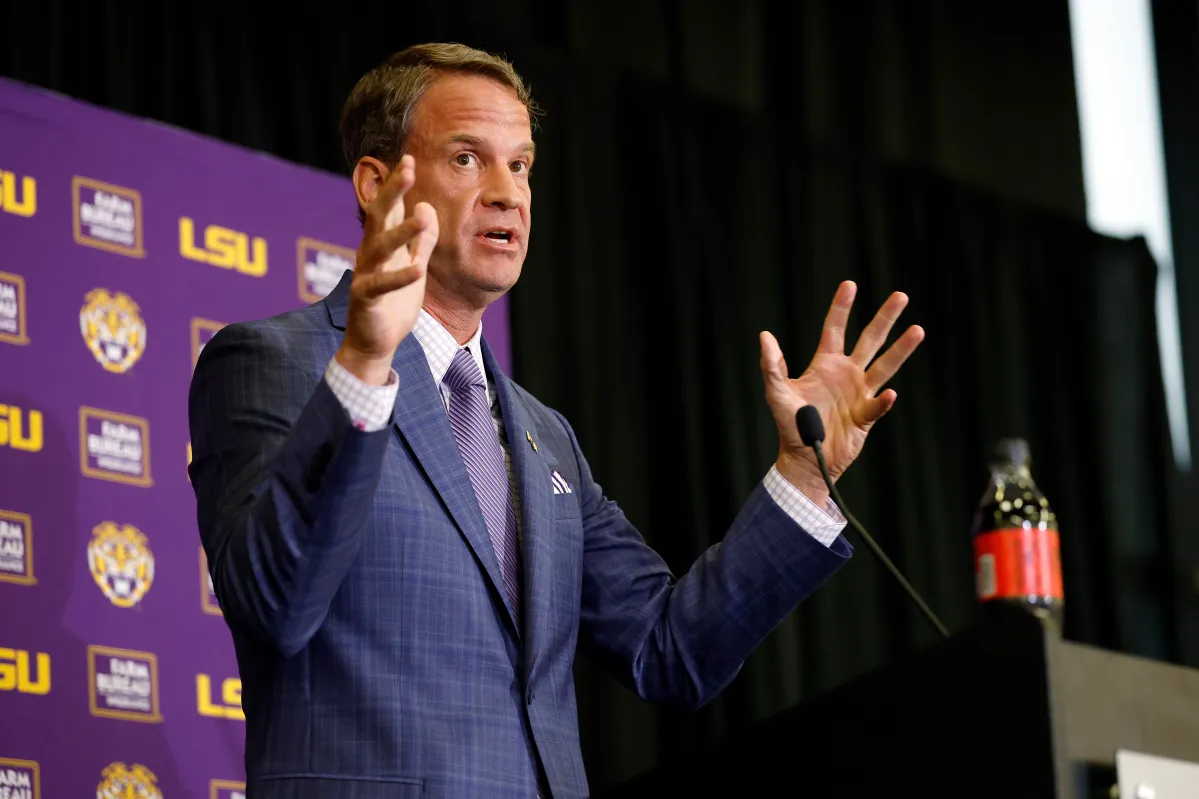
Despite having moved on to become LSU’s head coach, Lane Kiffin continues to maintain a peculiar financial connection to Ole Miss’s football program. The relationship between Kiffin and his former employer remains a topic of conversation, especially as the Rebels achieve unprecedented success in the College Football Playoff without him at the helm.
The sixth-ranked Ole Miss team delivered one of the most thrilling games of the tournament by defeating third-ranked Georgia 39-34 in the Sugar Bowl. This victory propelled them into the CFP semifinals, where they’ll face the Miami Hurricanes, who themselves pulled off an impressive upset against defending national champion Ohio State in the Cotton Bowl Classic. Ole Miss’s continued success demonstrates that the program has maintained its competitive edge even after Kiffin’s departure, challenging any notion that their achievements were solely dependent on his leadership.
What makes this situation particularly interesting is the financial arrangement Kiffin negotiated before departing for LSU. According to Front Office Sports, “LSU is paying Kiffin’s performance bonus terms from Ole Miss,” meaning that despite no longer coaching the team, Kiffin continues to reap financial rewards from their success. His bonus structure started with $150,000 when Ole Miss qualified for the College Football Playoff, increased to $250,000 after their first-round victory over Tulane, and has now reached $500,000 following the win against Georgia. Should the Rebels advance to the national championship game, Kiffin would collect $750,000, with that amount increasing to a full $1 million if they win the title.
This unusual arrangement highlights the complex contractual relationships in modern college football, where coaches can leverage their success into financial security even as they transition between programs. It also reflects the high stakes of college football’s postseason, where significant monetary incentives are attached to team performance. Pete Golding, who succeeded Kiffin as Ole Miss’s head coach, benefits from the same bonus structure, creating a situation where both the current and former coaches have aligned financial interests in the team’s playoff run.
The ongoing narrative connecting Kiffin to Ole Miss persists not just because of their recent separation but because of the timing and circumstances surrounding it. As Ole Miss approaches potentially the greatest achievement in program history, the discussion inevitably includes the coach who built much of the foundation but isn’t present for its culmination. This creates a bittersweet dynamic where Kiffin watches from afar as the team he developed competes for a national championship without him, though his bank account still reflects their accomplishments.
For Ole Miss fans and players, this playoff run represents an opportunity to establish their own identity beyond the shadow of their former coach. Each victory not only advances them closer to a national championship but also reinforces that the program’s success was built on more than just one individual’s contribution. Meanwhile, Kiffin begins his new chapter at LSU with both financial benefits from his past work and the challenge of replicating similar success in his new role, creating one of college football’s more unusual coaching situations in recent memory.