


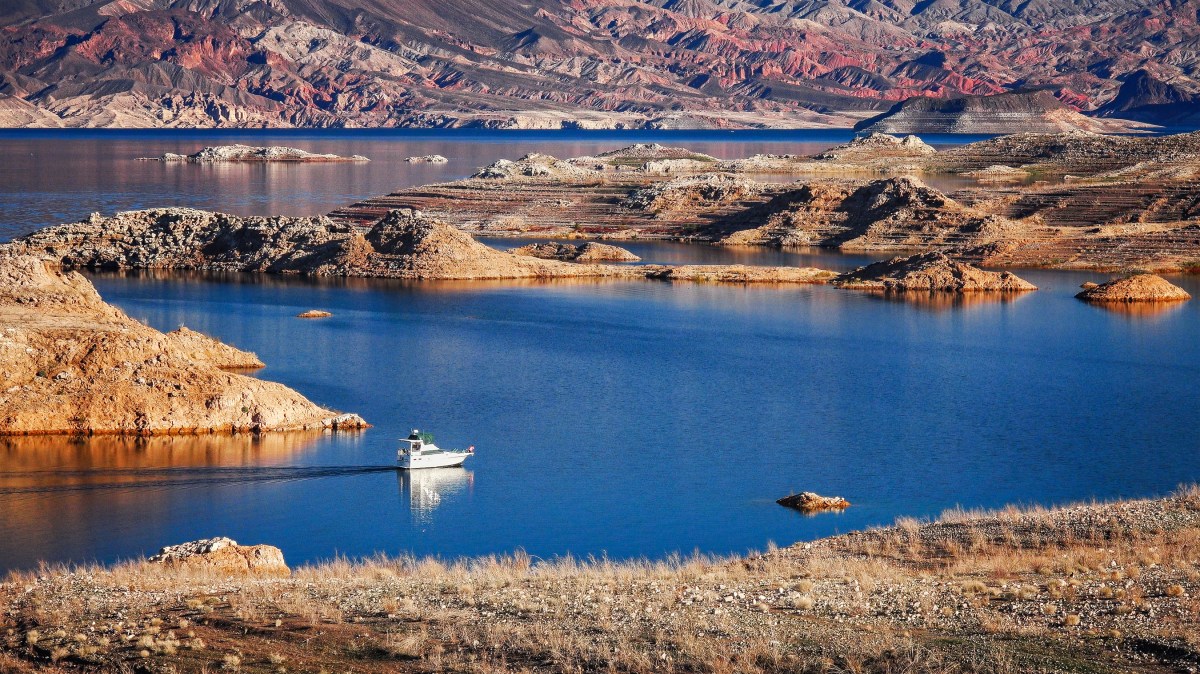
As the sun tiptoed over the horizon on a crisp Monday morning at Lake Mead, thousands of people in the Nevada-Arizona border region found themselves scrolling through their phones, eyes widening at urgent alerts from the National Weather Service. It wasn’t just a routine update; this was a full-blown lake wind advisory, casting a shadow of caution over the iconic reservoirs of Lake Mead and Lake Mohave. For those who call this desert oasis home or visit for recreation, the message was clear: the wind was stirring up trouble, turning the normally serene waters into a potential hazard for boaters and anyone venturing too close. Imagine waking up to news that could change your entire day plans—picnics by the shore canceled, fishing trips postponed, and families opting for safer, indoor adventures instead. The NWS wasn’t exaggerating; the harsh winds sweeping through are part of the normal winter and spring weather patterns here, where the desert meets the sky in a dance of gusts that can whip up trouble faster than you can say “hold on tight.” Meteorologist Matt Woods from the NWS explained to Newsweek that while low water levels might not directly amp up the waves’ fury, these windy seasons demand respect. It’s a reminder that nature doesn’t care about our calendars or to-do lists; it just does its thing, and right now, that thing is making boating a dicey proposition. For outdoor enthusiasts who live for the thrill of the open water, this advisory feels like a family member urging you to double-check your gear before heading out. And it’s not just tourists—local guides, fishermen, and even emergency responders are bracing, knowing that one wrong gust could tip the balance. The human element shines through in stories of seasoned boaters who’ve weathered storms before, sharing tales of close calls that make you appreciate prudence. Yet, amidst the warnings, there’s a subtle excitement for those who love a challenge, as long as they prioritize safety over adrenaline. Experts say this advisory isn’t born from panic but from patterns observed over decades, highlighting how meteorology blends science with real-life precautions. Driving home the point, Woods emphasized that even experienced sailors need to stay alert, because Mother Nature hates complacency. As communities like Bullhead City and Laughlin buzz with conversations about the alert, people are swapping weather apps, checking forecasts, and perhaps feeling a twinge of nostalgia for calmer days. This isn’t just data on a screen; it’s a communal nod to the power of the elements that shape our landscapes and daily lives. From the elderly residents who’ve seen Lake Mead through droughts and abundance to the young families planning vacations, the advisory touches everyone, urging a collective pause to listen to the wind’s whisper of caution.
Diving deeper into the risks, the NWS’s advisory paints a vivid picture of why boaters should tread lightly on Lake Mead these next few days. Increasing winds over the lake are poised to churn up rough and choppy waters, transforming what might seem like a peaceful expanse into a boisterous battlefield for anyone in a small craft. It’s the kind of scenario that makes your heart skip a beat—sudden gusts capable of overwhelming boats in an instant, even for captains who’ve spent lifetimes navigating these waters. Picture a seasoned fisherman, who knows every eddy and current, suddenly grappling with waves that could capsize his vessel or flood it with unwanted water. That’s the reality here, where experience doesn’t guarantee safety against the unpredictable might of nature. The advisory isn’t meant to instill fear but to foster awareness, reminding folks that boating isn’t just about skill; it’s about reading the sky and knowing when to call it quits. For small boat owners, this translates to added anxiety—checking life jackets, securing equipment, and maybe even leaving the marina home. Families who pack up for recreation days often share stories of narrowly escaped hassles, turning what could be risky outings into cherished anecdotes of wisdom gained. NWS experts in Las Vegas underline that these conditions amplify dangers exponentially for lighter crafts, where stability is already a fine line. It’s a human reminder that water, so vital and alluring, can turn treacherous in a heartbeat, prompting a wave of preparations among the boating community. Residents in nearby towns recount times when they had to abort trips halfway, the decision feeling like a gut instinct paying off. This advisory embodies the delicate balance between humanity and the wild, urging boaters to prioritize their well-being over the lure of the lake. As discussions swirl in docks and online forums, people empathize with the stress of planning water-based activities in such variable climes. It’s not just about rules; it’s about respecting a force greater than us, one that shapes our leisure and demands humility. In the end, the message resonates as a call to adaptability, where the thrill of adventure lives alongside the wisdom of precaution.
The advisory isn’t confined to some vague stretch of water; it encompasses the vibrant Lake Mead Recreation Area and a roster of nearby cities like Hoover Dam, Mohave Valley, Bullhead City, Oatman, and Laughlin, weaving a web of caution that affects daily life for tens of thousands. As it kicks into effect Tuesday morning and persists all day, communities are gearing up for what could be a long, windy saga. Imagine waking up to windows rattling from the gales, prompting residents to adjust routines—schools perhaps delaying outdoor activities, businesses bracing for potential disruptions. For locals in these desert locales, the wind advisory feels personal, like an old acquaintance dropping by uninvited but with good intentions. The NWS outlines that these areas, dotted with campsites and marinas, become focal points of concern, where the allure of scenic drives blends with the need for vigilance. People in Bullhead City might share cups of coffee while swapping tales of past blustery days, reinforcing a sense of shared resilience. Oatman’s quirky mining town vibe gets a gust of practicality, as folks stock up on essentials before hunkering down. Laughlin’s casinos, often a hub of evening escapes, quietly adjust entertainment plans, proving that even leisure industries flex with the weather. Hoover Dam, a massive marvel of human engineering, stands as a backdrop, its sheer scale a testament to our conquest over nature—yet the advisory humbles us, reminding that water management and weather warnings go hand in hand. You’ll hear stories from residents whose morning commutes now include extra layers and firmer grips on steering wheels, fostering a community spirit that thrives on mutual checks. It’s these personal anecdotes that humanize the alert, turning cold forecasts into conversations about preparedness. As the day unfolds under the advisory’s shadow, a subtle camaraderie emerges, with neighbors offering rides or sharing weather updates via apps. This isn’t isolation; it’s interconnectedness, where the wind unites people in their quest for safety amidst the rhythmic pulse of desert life.
At the heart of the advisory lies a fascinating explanation of why these conditions erupt so swiftly on large reservoirs like Lake Mead. Wind-driven waves can develop rapidly, especially when gusts align with the lake’s long fetch—the expansive stretch of open water that acts like a runway for growing swells. For boaters, this means navigating what’s suddenly akin to a mini-ocean storm, where visibility drops and control wanes, making it hard to ferry folks safely back to shore. It’s here that the human drama unfolds: a parent steering a family pontoon boat, eyes scanning the horizon for mercy, or a lone kayaker rethinking their solo expedition. The NWS emphasizes monitoring weather in real-time, perhaps huddled by a radio or glued to a smartphone app, because complacency can turn a fun day into a rescue operation. In the context of Lake Mead’s vastness, stretching across state lines, these warnings underscore our vulnerability to natural forces, prompting stories of near-misses that echo in boat clubs and online groups. People recount the eerie silence broken by roaring winds, the adrenaline rush mixing with regret for ignored signs. This phenomenon isn’t random; it’s grounded in meteorology, where lake geometry amplifies winds into perilous patterns, teaching us that size matters when it comes to water bodies. Boaters often speak of the mental checklist: check forecasts, assess wave heights up to 3 feet, and know when to dock. For those unaffected, hearing friends’ stories builds empathy, humanizing the science into relatable narratives of triumph and caution. As the advisory urges reconsideration of open-water plans, it sparks reflections on why we venture out— for the peace, the challenge, the escape—yet always with an eye on the shadows cast by untamed elements. In essence, this is about harmonizing human ambition with nature’s unpredictability, where wisdom triumphs over whimsy.
Beyond the boats, the strong winds forecasted up to 35 mph are poised to rattle drivers on roads hugging the lake’s edges, adding another layer of everyday peril. “Winds this strong can make driving difficult, especially for high-profile vehicles,” the NWS Las Vegas notes, painting a picture of white-knuckled commutes where trailers sway and semis strain against invisible forces. For commuters speeding along highways near Lake Mead, this might mean delaying trips, choosing sedan over SUV, or simply opting for coffee at home. Stories abound of motorists cursing gusts that push cars off course, or truckers pulling over to avoid jackknifing mishaps. It’s a reminder that vulnerability isn’t just for sailors; landlubbers face their own tempests, with winds whipping up dust devils that obscure views or create crosswinds that test even seasoned drivers. Residents of nearby towns like Kingman or Henderson might share war stories from blustery commutes, emphasizing extra caution—using cruise control wisely, keeping distance from trucks, and being ready to brake for gusts. This advisory humanizes the weather by acknowledging the mundane struggles, like a parent ferrying kids to school through gusty haze, fostering a collective exhale of relief when the roads quiet. Businesses along these routes prepare for potential slowdowns, perhaps closing early or routing deliveries differently. Yet, amid the inconvenience, there’s an undercurrent of appreciation for the warnings that prevent accidents, turning potential dread into gratitude. Drivers often credit apps and radio alerts for averting chaos, sharing anecdotes on forums about how a simple heads-up saved the day. Ultimately, the wind affects everyone on the ground level, weaving a tapestry of small sacrifices for shared safety, where the hum of the highway meets the howl of the breeze.
Shifting gears from the immediate winds, the conversation around Lake Mead inevitably turns to its beleaguered water levels, a topic that’s been simmering in the background like a slow-burning fire. After years of drought that siphoned away precious resources, Lake Mead has clawed back some dignity, pulling away from the abyss of 2022 when it teetered dangerously low. Today, at 1,065.92 feet above sea level, it’s standing tall—but still wounded, over 160 feet below full capacity, a stark reminder of how fragile our water systems are. For residents relying on this reservoir for drinking, irrigation, and recreation, it’s more than statistics; it’s the lifeline that fuels dreams of green lawns and full bathtubs. Compare that to this time last year, where levels were about a foot higher, or the dire straits of 2023 at just 1,046 feet, and you see progress, albeit tentative. Back in early 2022, the lake hovered near 1,067 feet before hemorrhaging 30 yards of depths in just months, a collapse that shook seven states sharing a 104-year-old water contract. Water officials have sounded the alarms repeatedly, fearing a breach that could disrupt economies and ecosystems. U.S. Bureau of Reclamation figures reveal the lake’s prodigious capacity of 26 million acre-feet, yet it now holds a mere 8.86 million—roughly 34 percent—a fraction that haunts policymakers and families alike. Stories from Coloradans or Nevadans describe rationed gardens or deferred renovations, as the low levels symbolize broader climate woes. Despite the uptick, there remains pressure on the system, with fluctuations that mirror our fickle rain gods. People share memories of Lake Mead in its glory days, full to bursting, contrasting with today’s vulnerability, urging conservation that feels like a moral imperative. Yet, hope flickers; the slight recovery offers solace to farmers eyeing crop cycles or cities planning water projects. This human narrative ties into global stories of drought-driven migrations and resource wars, making Lake Mead’s plight universally resonant. As communities rally for sustainable practices, from xeriscaping to reuse, the water saga evolves from crisis to cautionary tale, blending science, history, and hope.On a brisk Monday, the National Weather Service issued a stark warning that rippled through the communities flanking Lake Mead and Lake Mohave, alerting thousands to hazardous boating conditions due to relentless winds. As residents scrolled through alerts on their devices, the advisory painted a picture of unpredictable weather that could turn serene desert waters into a boater’s nightmare, tied inexorably to broader concerns over dwindling water supplies amidst a decades-old pact among seven states. For many, this wasn’t just another forecast; it was a nudge to appreciate the delicate dance between human recreation and nature’s unrelenting forces.
Delving into the heart of the risks, the advisory highlighted how surging winds would whip Lake Mead into rough, choppy waters, reaching waves up to 3 feet and posing severe dangers to small crafts. Even seasoned operators might find their boats overwhelmed by sudden gusts, increasing capsizing risks in what felt like a test of resolve for those who live and play on the lake. Locals shared anecdotes of past hairy experiences, where gusts turned jubilant outings into harrowing escapes, underscoring a human story of vulnerability and caution that resonates deeply.
The warning encompassed the expansive Lake Mead Recreation Area and nearby towns like Hoover Dam, Mohave Valley, Bullhead City, Oatman, and Laughlin, effective from Tuesday morning through the day. Communities buzzed with preparations, from dockworkers securing vessels to families opting for indoor plans, as the alert prompted a collective reassessment of daily routines and highlighted the area’s interconnectedness with weather patterns that respect no boundaries.
Experts explained that wind-driven waves could form rapidly on Lake Mead’s vast expanse, especially when aligned with its long fetch, making navigation treacherous and shore returns challenging. This wasn’t mere science; it reflected real-world wisdom from boaters who monitor apps closely, weaving a narrative of discretion over daring that embodies the lake’s spirit of adventure tempered by prudence.
Drivers on roads near the lake braced for gusts up to 35 mph, capable of disrupting high-profile vehicles and demanding extra caution to avoid mishaps. Stories from commuters recounted struggles with swaying trailers and obscured visibility, humanizing the threat as a shared experience of alertness on highways that edge the waterways.
Beyond the winds, Lake Mead’s water levels loomed large, recovered slightly from 2022 lows after a crippling drought, now at 1,065.92 feet and 34 percent of capacity. Historical fluctuations—from a 30-foot drop in 2022 to comparisons with past years—illustrated ongoing pressures on shared resources, encouraging a hopeful yet vigilant human response toward conservation and resilience.