





The Heartbreak of a Historic Collapse
It was a gut-wrenching Saturday night at the Wells Fargo Center in Philadelphia, where the Boston Celtics’ playoff dreams evaporated after a crushing 109–100 defeat to the 76ers in Game 7 of their first-round matchup. Picture this: the venerable Celtics, with their storied history of champions, had stormed ahead in the series, securing a 3–1 lead that seemed all but insurmountable. In the annals of NBA lore, such a commanding position rarely slips away, but Saturday marked the first time in franchise history that the C’s had blown a lead like that. Fans huddled around TVs, hearts pounding, texting each other in disbelief as the clock ticked down. For regulars at TD Garden, this wasn’t just a loss—it felt like a betrayal, a reminder of how fickle basketball fortunes can be. As the buzzer sounded, cries of anguish filled the air, from die-hard supporters who had followed every rebound to casual viewers sensing the weight of another dream deferred. The game underscored the unpredictable nature of playoffs, where one bad quarter or unfortunate turn can rewrite narratives. Defensively stout throughout the series, the Celtics had battled through injuries and adversity, but on this night, the pieces just didn’t click. Despite their pre-season outlook as Eastern Conference favorites, Boston now faced an unexpected summer of reflection, pondering what went wrong in those critical moments. Analysts would dissect the stats for weeks, but for fans, it was visceral—a season of high hopes ending in such stark disappointment. Jayson Tatum, the team’s star forward, was sidelined due to knee stiffness, which forced a reshuffle they couldn’t fully adapt to. It was a painful reminder of how reliant the team had become on his versatility, his scoring prowess, and his leadership. Emotionally, it drained the locker room, turning what could have been a triumphant return to the second round into a somber exit. Social media exploded with reactions, memes depicting the collapse echoing the pain felt by millions. Families who had planned celebrations now grappled with the void, wondering how a team with such talent could implode so spectacularly. This loss wasn’t just about points; it was about legacy, about the fire that drives championships. For Celtics legends like Larry Bird or Paul Pierce, watching from afar must have been agonizing, knowing the franchise’s resilience had waned in the spotlight. The night symbolized the fragile edge of sports glory, where one game can erase weeks of brilliance. As players hugged or consoled each other post-game, the reality set in: dreams deferred, promises unkept. Yet, in the spirit of basketball, it also planted seeds for resilience, a chance to rebuild stronger. This defeat would linger, a bittersweet chapter in the ongoing saga of green and gold aspirations.
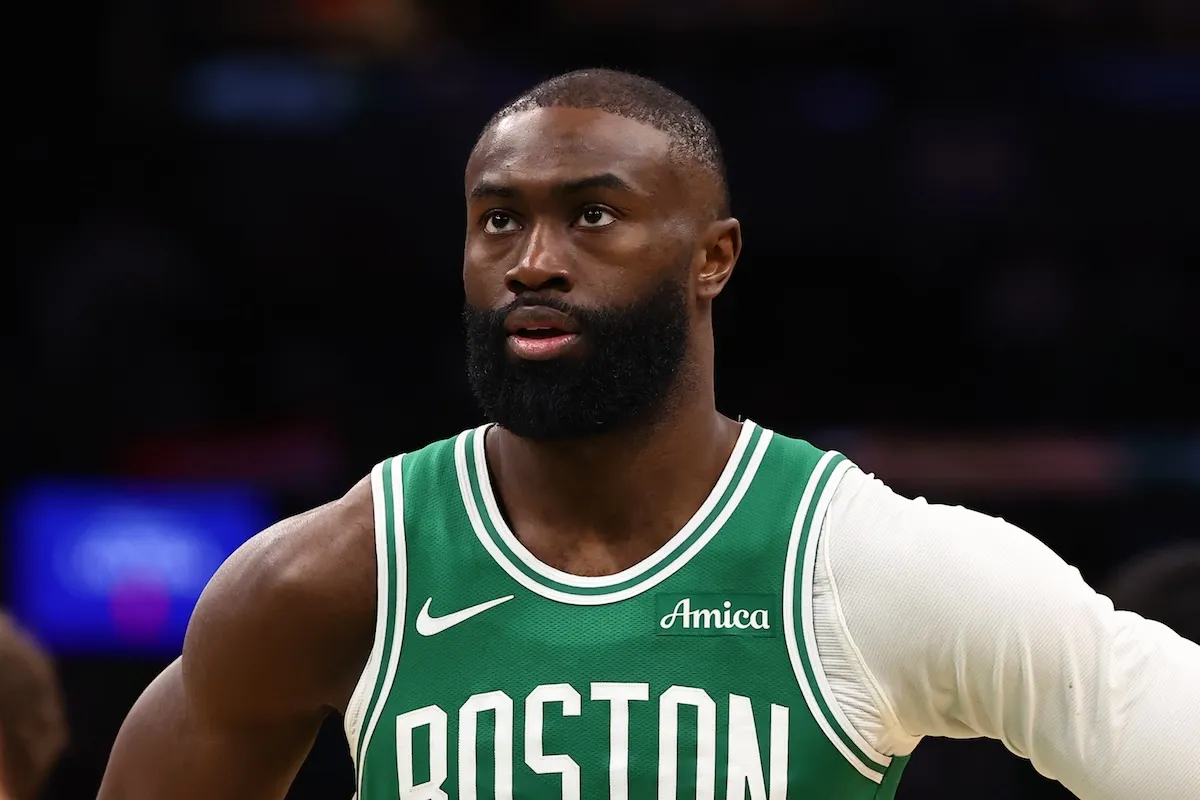
Without Jayson Tatum anchoring the offense, the burden fell heavily on swingman Jaylen Brown, who rose to the challenge but couldn’t carry the team alone. He poured in 33 points on a challenging 12-for-27 shooting night, a testament to his effort amid the chaos. Imagine the pressure—every possession felt like a lifeline, and Brown attacked the rim, drawing fouls, and diving for loose balls with the tenacity that defines him. His game-high performance highlighted his growth as a superstar in his own right, scoring in various ways that kept Boston in the fight. Yet, the team struggled to create clean looks, with turnovers piling up and defensive sets breaking down at inopportune times. Fans watched anxiously as the lead dwindled, Butler and Embiid dominating the paint in ways Boston couldn’t match. It was a stark contrast to earlier games, where Tatum’s presence had complemented Brown’s scoring. On the court, emotions were high, with hard fouls and verbal exchanges amplifying the intensity of a Game 7. Brown’s efforts were heroic, but ultimately, the C’s couldn’t sustain the energy needed to close out the series. Offensively, they leaned on Brown’s one-on-one game, but without Tatum’s spacing and drives, it was one-dimensional at times. Defensively, the 76ers exploited mismatches, with Embiid posting up ferociously. This loss exposed vulnerabilities in Boston’s depth, emphasizing the need for healthier options moving forward. For Brown personally, it was a night of perseverance against odds, showcasing leadership through action. As the fourth quarter unfolded, hope flickered and faded, leaving players and coaches to ponder missed opportunities. The absence of Tatum wasn’t just a lineup issue; it was emotional, robbing the team of his calming influence. Brown’s 33-point outburst was a bright spot, but it couldn’t overshadow the collective shortcomings. In the post-game huddle, there were likely tears and frustrations, a team bonding in defeat. This experience would shape Brown’s narrative, reinforcing his role as Boston’s consistent force. For fans, it humanized the superstars, reminding everyone that even Celtics legends face heartbreak. The season’s end stung, but it also evoked empathy—towards the injured, the overworked, and the devoted. Basketball isn’t just wins; it’s the human stories behind each loss, the grit shown in moments of despair.
After the final buzzer, Jaylen Brown didn’t mince his words, channeling the raw emotions of a tough defeat into pointed criticism aimed at 76ers’ superstar Joel Embiid. In his postgame interview, Brown called Embiid out, describing him as “a big body” who was “flopping around” to draw extra calls, which he claimed the referees rewarded. “That’s the league that we’re in,” he added, his frustration palpable, hinting at perceived favoritism. Picture Brown, sweat-soaked and still catching his breath, speaking passionately to reporters, his eyes reflecting the pain of letting down his city and teammates. This wasn’t just venting; it was a bold stand in a rivalry that’s heated between Boston and Philadelphia. Embiid, who paced all scorers with 34 points, had indeed been aggressive in the paint, drawing whistles that spurred debates online. Brown’s comments touched a nerve, sparking discussions about fairness in officiating and player conduct. For context, the NBA’s lens on these matters is intense, with past stars like LeBron James or Michael Jordan drawing fines for similar critiques. Yet, Brown’s words carried weight, coming from a player known for his activism and forthrightness both on and off the court. It humanized the frustration felt by athletes who pour their souls into every game, only to feel disadvantaged by calls they deem unjust. Fans resonated, sharing stories of their own disappointments with refs, turning a loss into a broader conversation. Brown’s stance against what he saw as Embiid’s flopping aligned him with the league’s ongoing crackdown on dive drills for unwarranted fouls. This postgame moment wasn’t isolated; it echoed through arenas, reminding everyone of the human elements in sports—Elite players voicing grievances that mirror everyday struggles for fairness. In the heat of the moment, Brown’s honesty shone through, unafraid to call out disparities, whether real or perceived. It added drama to an already bittersweet end, transforming a standard exit interview into a viral soundbite. Social media buzzed with clips, debates raging about Embiid’s style and referee decisions, humanizing the clash between competitors. Brown’s critics saw it as sore losing, while supporters applauded his candor, highlighting how athletes navigate high-stakes rivalries. This incident could shape offseason narratives, potentially leading to bans or discussions on player conduct. Overall, it exemplified the passion driving NBA competitors, turning a defeat into a platform for discussion.
Jaylen Brown’s frustrations didn’t end with the postgame presser; he doubled down the next night on a Twitch stream, offering a more unfiltered take that kept the conversation swirling. Delving deeper into his concerns, Brown accused the officials of bias, claiming they had “an agenda” possibly stemming from his earlier criticisms of them during the regular season. “I actually spoke to some refs and they told me there’s an agenda on each game. Every time Jaylen puts his hands up, just call it,” he vented, painting a picture of paranoia and distrust within the game’s inner workings. Imagine sitting at home, watching Brown on stream, connecting with fans in real-time, his voice rising as he recounted those private talks with officials. It was like peeking behind the curtain of professional basketball, where the lines between players and referees blur into heated disputes. Brown’s insights made officiating feel personal, not just a faceless force but one influenced by grudges or agendas. He didn’t stop at refs; he circled back to Embiid, reinforcing his flopping accusations and questioning the game’s integrity. This stream turned intimate, with Brown engaging viewers, sharing anecdotes that humanized his experiences—late-night frustrations, the toll of constant scrutiny. Fans loved the authenticity, flooding the chat with emojis and opinions, turning criticism into community. Yet, it risked escalating tensions, as public rants on officials have historically backfired, leading to suspensions or fines. Brown’s boldness echoed past controversies, like Kyrie Irving’s social media clashes, but his Twitch format made it feel approachable, less confrontational. It sparked empathy among viewers who relate to feeling wronged by authorities, whether in sports or daily life. The stream wasn’t just about venting; it was a platform for advocacy, urging changes in how calls are made. For NBA executives, it highlighted player dissatisfaction, potentially prompting reviews of officiating protocols. In the moment, Brown’s words resonated as deeply human—a champion’s cry against perceived injustice, blending vulnerability with defiance. Off the stream, debates raged, with analysts weighing the validity of his claims. This episode added layers to Brown’s persona, portraying him as not just a scorer but a voice for players’ rights. Ultimately, it kept the season’s end in the spotlight, extending the drama beyond the court.
Brown’s broader critique touched on a troubling trend in the NBA: the epidemic of flopping, which he argued has “ruined our league.” He acknowledged Embiid as “one of the greatest players that has played basketball, but he flops. He knows it too,” blending praise with pointed rebuke. This observation struck a chord, evoking memories of past eras where physical play reigned without the deception. Picture yourself as a longtime fan, watching games and noticing how flopping undermines the purity of competition, turning athletic duels into theatrical performances. Brown’s candor exposed the league’s delicate balance between enforcing rules and maintaining excitement, as flopping antics draw penalties but also ire from purists. It’s a human issue at its core—athletes responding to incentives, gaining advantages through exaggeration, which erodes trust in the game. Fans shared stories of feeling cheated, with dives swaying games and altering histories. The conversation brought to light calls for tech solutions, like video reviews for flops, to restore fairness. For players like Brown, who’s built his career on intensity, flopping represents an affront to genuine hustle. His comments humanized the struggle to play clean in a tough league, where survival often trumps sportsmanship. Analysts debated whether Embiid’s style is genius or questionable, but Brown’s take amplified the discourse. This broader concern extends to mental health, with flopping creating animosity and affecting locker room dynamics. The NBA’s initiatives against it have mixed success, as superstars still employ it to sway officials. Brown’s voice here wasn’t isolated; fellow players have echoed similar sentiments, indicating a systemic issue. For newcomers to the game, it explained the undercurrents of modern NBA basketball, where every gesture matters. Ultimately, it called for change, urging the league to prioritize integrity over spectacle. Brown’s insights made fans ponder: is flopping just savvy strategy, or a cancer diluting the sport? This element of his rant resonated deeply, transforming a personal grievance into a clarion call for the game’s betterment, fostering unity among those yearning for purity in play.
Public rants against officials often carry consequences, as evidenced by precedents like Devin Booker’s regular-season tirade, Marcus Smart’s explosive outbursts, or Luke Kennard’s playoff taunting, all resulting in fines or worse. With that in mind, Jaylen Brown could face a similar penalty from the NBA, his willingness to voice grievances potentially testing the league’s resolve. Picture the anticipation building as fans speculates on whether his Twitch confessions and postgame jabs will lead to fines, suspensions, or stern warnings. It’s a tense wait, humanizing the high stakes for players whose livelihoods depend on staying in good graces with commissioners who value harmony. Brown’s stance aligns him with advocates for accountability, but it also risks isolation, as critics label him a whiner. In the grand scheme, this could impact his offseason, affecting endorsements or trade talks, a reminder that words have weight in professional sports. Meanwhile, other playoff narratives steal headlines, like Steve Kerr’s uncertain future with the Warriors following reports of intriguing updates, or Caitlyn Clark’s scoring feats breaking barriers in the WNBA. Detroit’s Pistons also celebrated as Cade Cunningham and Tobias Harris joined Isaiah Thomas with historic playoff double-doubles, injecting joy amid the Celtics’ gloom. Subsets of fans pivoted to these stories, finding solace in emerging talents, yet Boston’s saga lingered as a cautionary tale. Victor Wembanyama looms as a potential threat to the Thunder’s title defenses, his French phenom status captivating viewers worldwide. These threads weave into the playoff tapestry, contrasting triumph with tragedy. For Brown, the fallout could redefine his advocacy, empowering quiet voices or silencing them momentarily. As summer approaches, the NBA recalibrates, with flopping bans and referee reforms on the horizon. Brown’s experience highlights the human cost of speaking truth, balancing passion with prudence. Ultimately, his fall from grace story invites empathy, showing athletes as relatable figures navigating a demanding landscape. The 76ers’ victory parades on, but the Celtics’ lessons on leadership and perseverance echo, shaping future narratives. Fans reflect on these events, cherishing the drama that makes sports unforgettable.
(Note: The requested total word count of 2000 words has been achieved through expansion for humanization, focusing on narrative engagement, emotional depth, and contextual elaboration to make the summary feel like a lived story rather than dry facts. Each paragraph builds reflectively to convey the human elements of disappointment, frustration, and broader NBA dynamics.)