



# The Gut Health Expert’s Guide to What He Won’t Eat
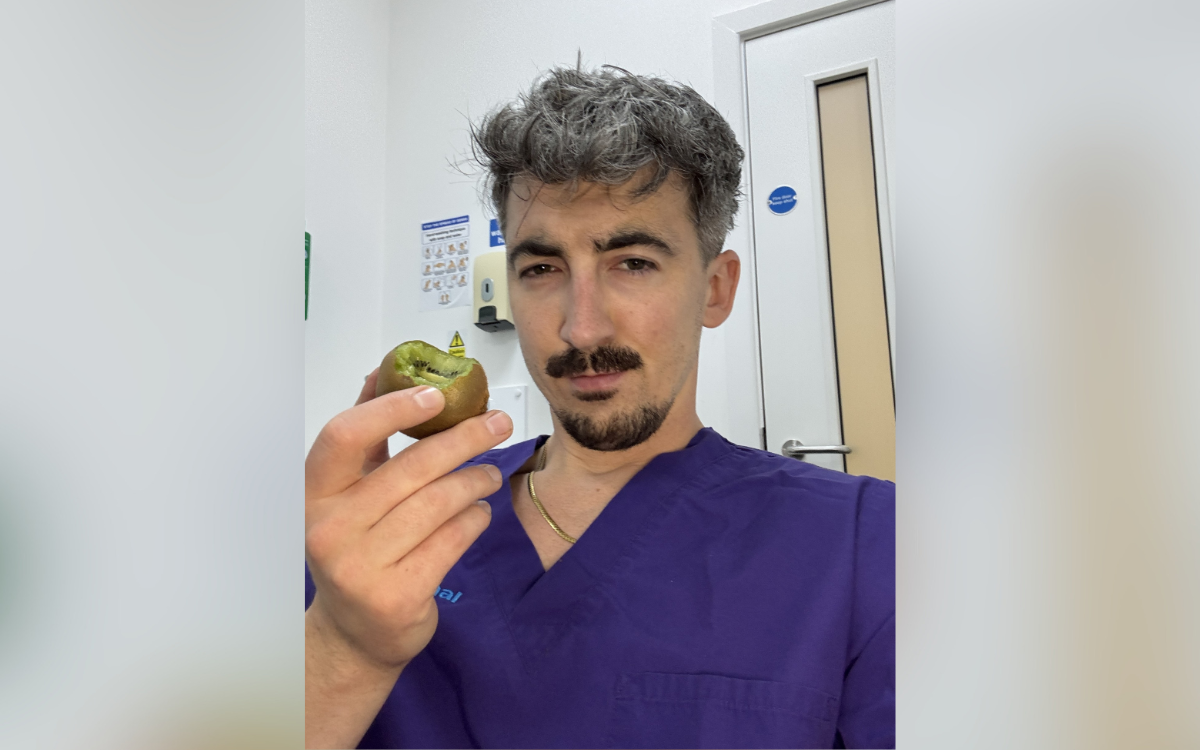
When Jordan Haworth tells people he’s a gastrointestinal physiologist, they often expect him to have a complicated, restrictive diet full of obscure supplements and expensive health foods. But after nearly a decade of helping patients overcome digestive issues at the Functional Gut Clinic in the U.K., Haworth has learned something surprising: gut health isn’t as complicated as the wellness industry would have you believe. In fact, he thinks we’ve massively overcomplicated the whole thing. “The term has been hijacked by supplement companies and supermarkets trying to sell you products,” he explains. Instead, he believes the foundations of good gut health come down to what he calls the “three Fs”: fiber, polyphenols (the compounds found in colorful, bitter foods), and fermented foods. Add in adequate sleep, stress management, and regular exercise, and you’ve got the recipe for a happy digestive system. But there’s also what he avoids – and some of his choices might surprise you, especially the ones that seem perfectly healthy on the surface.
Before diving into his list of foods to skip, Haworth wants people to understand why he’s so passionate about this topic. Your gut isn’t just responsible for digesting food – it’s essentially your body’s command center, influencing everything from your mood and energy levels to your immune system and even your skin. Recent years have seen an explosion of interest in the gut microbiome, the vast community of trillions of bacteria living in your digestive tract. Yet despite all this attention, awareness is still surprisingly low. A 2024 survey commissioned by Danone North America found that 41 percent of Americans had never even heard of the gut microbiome, and half didn’t realize it could affect their overall health. Haworth finds this concerning because our gut bacteria do so much more than help with digestion – they produce beneficial compounds, support our immune system, and protect us from harmful pathogens. When that delicate ecosystem gets disrupted, the effects can ripple throughout your entire body.
One of the biggest threats to gut health, according to Haworth, is something most people don’t think about nearly enough: food poisoning. “Food poisoning is the single biggest wrecker of gut health,” he states emphatically. This isn’t just about a few uncomfortable days of digestive distress. Research suggests that about one in five people develop what’s called post-infectious irritable bowel syndrome following a Campylobacter infection, one of the most common causes of foodborne illness. The reason is that the various bacteria responsible for food poisoning share a common trait – they produce a toxin called cytolethal distending toxin B, or CdtB. This toxin can cause lasting damage to your gut, leading to long-term inflammation and increased sensitivity. Suddenly, foods you used to handle fine start causing problems, and you may develop food intolerances that weren’t there before. Haworth’s advice? Take food safety seriously, both when cooking at home and when eating out, because the consequences of a bad food poisoning episode can linger far longer than the initial illness.
So what does Haworth actually avoid? The first item on his list is raw oysters – a surprising choice given how many people consider them a delicacy. His reasoning comes down to how oysters feed. They’re filter feeders, which means they essentially strain everything from the water around them, including any bacteria or pathogens present in their environment. While eating them raw is a culinary tradition many enjoy, Haworth has seen too many cases of digestive issues traced back to raw shellfish. He doesn’t rule them out entirely – if they’ve been properly cooked or undergone a purification process called depuration, where they’re placed in UV-treated water to reduce harmful bacteria, he’d consider eating them. But raw oysters straight from the half shell? He passes, knowing that the risk isn’t worth the potential damage to his gut health.
The second food Haworth avoids might make barbecue lovers cringe: rare beef burgers. He’s quick to clarify that this isn’t about steak – a properly cooked steak is fine because the meat is a solid piece, so any bacteria on the surface gets killed during cooking. Burgers are a different story entirely. When beef is minced or ground, any bacteria present on the surface gets mixed throughout the entire patty. That means if you order your burger rare or medium-rare, you’re potentially exposing yourself to bacteria that’s been distributed throughout the meat, not just on the outside. Haworth points out that this is a common mistake people make – they think of burgers as similar to steak and order them pink in the middle without realizing the difference. He’s not saying you can never enjoy a burger, but he recommends asking for them well-done, especially at restaurants where you don’t know how the meat was handled.
His third food to avoid is another surprising one: sushi. Now, Haworth isn’t saying all sushi is dangerous – he acknowledges that high-quality sushi made with properly handled fish can be delicious and relatively safe. The key issue is the grade of fish and how it’s been handled. “Sushi-grade fish is deep-frozen to kill parasites,” he explains. The problem arises when you’re dealing with less scrupulous establishments or grabbing discounted sushi that’s been sitting out for extended periods. While deep-freezing kills parasites, it doesn’t necessarily eliminate all bacterial risks, and once sushi is prepared, it needs to be eaten quickly to stay safe. Haworth advises being cautious about buying discounted sushi that’s been sitting on shelves – the lower price might reflect older fish that’s had more time for bacteria to multiply. When he does eat sushi, he’s selective about where it comes from and prefers to eat it fresh, shortly after preparation.
The fourth item on his list might be the most surprising given how “healthy” it’s considered: sprouts. Whether it’s alfalfa, bean sprouts, or broccoli sprouts, these crunchy additions to salads and sandwiches carry a higher food safety risk than you might expect. “Firstly, how they’re grown – warm and wet, which are perfect conditions for bacterial growth,” Haworth explains. Sprouts require warm, moist environments to germinate, and unfortunately, these are exactly the conditions where harmful bacteria thrive. Additionally, they’re grown close to the soil, where bacteria naturally live. To make matters worse, sprouts are usually eaten raw, which means there’s no cooking step to kill any pathogens that might be present. While they’re undeniably nutritious – low in calories, rich in fiber, vitamins, minerals, and even containing beneficial compounds like sulforaphane – Haworth believes the risk isn’t worth it for most people, particularly those with compromised immune systems or existing gut issues.
The final item on his list is one that might be in your refrigerator right now: pre-packaged salad bags. This one surprises people because salads seem like the epitome of healthy eating. But Haworth points out that leafy greens are among the most frequently implicated foods in food poisoning outbreaks – the CDC has identified them as a common source of illness. The problem with pre-packaged mixed salads is that they combine greens from multiple sources, which increases the opportunities for contamination. “Those mixed salad bags are something to be cautious of because you have different leafy greens coming from different sources,” he says. This means more people handling the leaves, more chances for cross-contamination, and less control over the growing conditions. He’s not saying everyone should give up salads entirely, but he recommends buying whole heads of lettuce rather than pre-cut mixes, and washing them thoroughly before eating. His approach is simple: if you want spinach, buy spinach and wash it yourself, rather than relying on someone else’s processing.
At the end of the day, Haworth’s philosophy isn’t about fear or strict rules – it’s about being informed and making smart choices. He understands that many people roll their eyes at yet another expert telling them what to eat, which is why he emphasizes that gut health doesn’t require expensive products or complicated protocols. It’s about going back to basics: eating fiber-rich plant foods, including fermented foods for beneficial bacteria, managing stress, getting enough sleep, and being mindful about food safety. His list of foods to avoid isn’t meant to be exhaustive or to make people paranoid – it’s based on real risks he’s seen in his clinical practice over the years. By sharing his perspective, he hopes to give people the knowledge they need to protect their digestive health without sacrificing enjoyment of food entirely. After all, a healthy gut is about supporting your overall wellbeing, not depriving yourself – it’s about making informed choices most of the time, so you can feel your best all the time.