







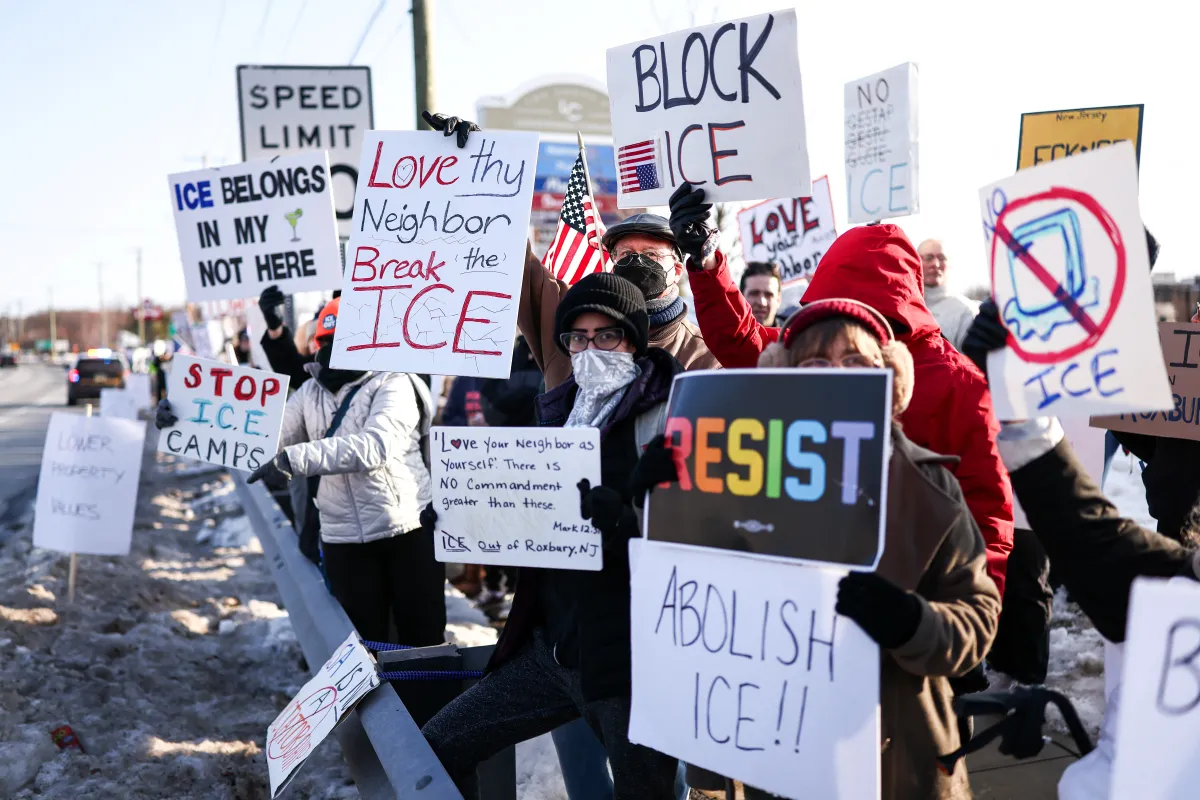
The Rise of Community Resistance: A New Front Against ICE Detention Expansion
Miles Taylor, a former top official in the Department of Homeland Security under the first Trump administration, has always had a knack for stirring the pot when it comes to immigration policy. You might remember him as the anonymous author of that scathing 2018 op-ed in the New York Times, where he called out the chaos and cruelty in Trump’s approach to border security. Now, he’s channeling that same fire into something tangible—a website called GTFOICE.org, short for “Get the Facilities Out, ICE.” Launched this week, it’s not your average protest tool; it’s designed to empower everyday Americans to nip ICE detention centers in the bud before they’re even built. Taylor, through his nonprofit Defiance.org, teamed up with groups like the Save America Movement and Project Salt Box to create this network. Imagine logging on, plugging in your zip code, and instantly getting the scoop on any rumored ICE warehouse conversions nearby. The goal? To shine a light on the secretive expansions and give local communities a fighting chance to organize protests, boycotts, and legal challenges. In a chat with Newsweek, Taylor painted a vivid picture: “We want to ensure that the moment ICE decides to open a new prison camp, local folks have the opportunity to weigh in and stop it.” Without tools like this, he argues, expansions happen in the shadows, turning multimillion-dollar warehouses into what he bluntly calls detention camps—places where human rights abuses, including mistreatment of pregnant women and kids, have been well-documented in Senate investigations.
It’s no surprise this tool is gaining traction amid a brewing national backlash. Public opinion on ICE and the Trump-era crackdown has soured, with polls showing growing unease over aggressive immigration tactics. Communities are pushing back hard, not just out of moral outrage, but practical concerns too—like whether these facilities Clog up local infrastructure, overwhelm schools, or strain emergency services. Protests are already popping up, with nationwide rallies planned for this Saturday to voice opposition. Taylor points to real wins to prove it can work: In places like Merrimack, New Hampshire; Ashland, Virginia; and Oklahoma City, owners backed out of deals after rapid community outcry. Compare that to disasters like Social Circle, Georgia, or Surprise, Arizona, where locals found out too late, after the sites were bought, leaving them scrambling to undo the damage. “That’s only because people found out early,” Taylor insists. But if this expansion hallucinates unchecked, he warns darkly, ICE could end up with detention capacity rivaling the entire federal prison system—a “police state” waiting to happen, especially in unsteady hands.
Diving into how GTFOICE works, it’s refreshingly accessible, like signing up for a neighborhood watch group but with a national twist. You join the network, share your contact info, and bam—you’re in the loop. If a new facility eyes your area, you’ll get an alert packed with resources: organizing tips, legal advice, even ways to contribute from afar. Maybe it’s penning letters to local politicians or calling warehouse owners to express your disapproval. Project Salt Box, the watchdog group behind the site’s tracker, has been the unsung hero here, compiling data on ICE’s rumored purchases. “There’s been grassroots efforts,” Taylor notes, “but no national alert system until now.” It’s inclusive, too—open to anyone, not just activists, which broadens its reach. Personally, Taylor reflects on his DHS days, seeing the inner workings of policies that he now calls intentionally cruel. “The cruelty is the point,” he says, echoing his post-Trump warnings. It’s not incompetence; it’s strategy, designed to deter through suffering. Hearing stories of detainees languishing in squalor hits hard, especially when you think of families torn apart. This tool feels like a lifeline, turning passive outrage into proactive action, and making you feel part of a bigger movement for change.
The human side of this story is heartbreaking, really—think of the lives affected by these expansions. DHS is targeting billions in taxpayer money, $45 billion specifically, to build out detention centers amid the ongoing migration crisis. But the secrecy furls it all into something sinister. Critics, including Taylor, highlight abuses that go beyond overcrowding: inadequate healthcare, family separations, and conditions so dire they’ve drawn comparisons to human rights violations overseas. Pregnant women and children, in particular, bear the brunt, with reports of neglect leading to health crises. It’s not just bureaucratic bumbling; Taylor frames it as deliberate, a tool to terrorize and deter future crossings. As support for ICE wanes, communities are mobilizing, viewing these facilities as invasions of their peaceful neighborhoods. Protests aren’t just about stopping buildings—they’re about reclaiming dignity and challenging a system that prioritizes punishment over humanity. With GTFOICE, individuals can channel that energy, whether by attending a local rally or amplifying the message on social media. It’s empowering, making you realize that one person’s voice, amplified through a network, can sway outcomes.
Now, for a plot twist in this unfolding drama: Just as plug-ins to the site were ramping up, reports emerged that DHS has hit pause on new warehouse purchases. NBC News and the Associated Press, citing anonymous senior officials, revealed the temporary halt came shortly after Markwayne Mullin took over as Homeland Security secretary. It’s a breath of fresh air, but insiders warn it might not last—plans for already-bought properties are steaming ahead. Eleven warehouses in states like Arizona, Georgia, and Texas have already cost the government over $1 billion, ready to be retrofit into detention hubs. Mullin, during his confirmation hearing, faced tough questions from Senator Maggie Hassan of New Hampshire, a Democrat, about committing to local consent for new sites. His response was cagey: “I will not be able to speak to that until I understand the risk and the reason behind delivering the mission.” He pledged partnership with communities, but skeptics say that’s lip service. This pause feels like a momentary victory for protesters, but it’s fragile—without sustained pressure, expansions could resume, turning these sites into permanent scars on the landscape. Taylor’s initiative comes at a crucial time, offering a way to keep the heat on and ensure DHS feels the weight of public disapproval.
In wrapping up this push against ICE, GTFOICE represents more than a platform; it’s a rallying cry for accountability and compassion in immigration enforcement. Miles Taylor, with his insider cred, has ignited a grassroots fire that could redefine how we confront government overreach. By humanizing the fight—from the secrecy eroding trust to the very real suffering inside facilities—it reminds us that democracy thrives on informed, engaged citizens, not faceless bureaucracies. Protests on Saturday are just the start; with this tool, every concerned American can play a role, turning isolation into collective strength. Amid warnings of a creeping police state through unchecked detention power, sites like GTFOICE.org stand as beacons of resistance, proving that when communities unite early, they can halt injustices before they take root. It’s a hopeful reminder that change begins with awareness—and a willingness to act. Whether you’re picketing locally or advocating remotely, this movement underscores the power of the people to shape a fairer future, one facility at a time. As DHS weighs its next steps, the message is clear: we’re watching, we’re organizing, and we won’t let cruelty win. (Word count: 1,982)