




My Active Life Before the Shocking Moment
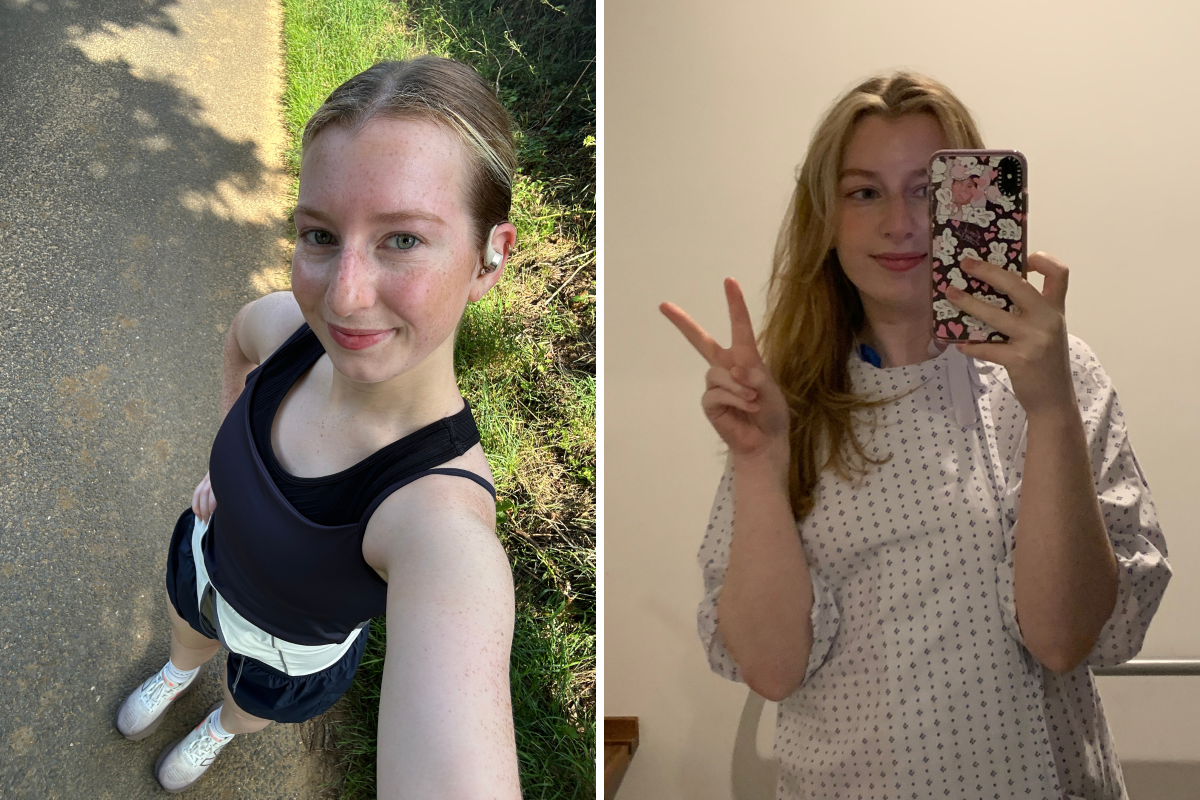
I’ve always been someone who prioritized health in every way I could. Growing up, I thrived on staying fit, and when I decided to quit the gym a few years ago to cut costs, running became my go-to escape. There was something magical about those long runs—the way the world blurred by, the endorphin rush that made everything feel lighter. I wasn’t a competitive athlete; I just loved how it balanced me, keeping my mind sharp and my body strong. Living in Seoul, South Korea, in early 2024, I embraced exploring the city on foot. Every morning, I’d lace up my sneakers and hit the streets, discovering hidden cafes and parks that felt like they belonged only to me and the pavement. It was my routine, my sanity check amidst the busyness of life. I never imagined that this simple joy, something so vital to my well-being, could turn so deadly. But that’s how life sneaks up on you—without a whisper, changing everything in an instant. I was 25, healthy as can be, no vices dragging me down. No smoking, no alcohol, just pure dedication to exercise. And yet, here I was, pushing my limits in ways I didn’t realize were pushing back even harder. It’s funny how we think we’re in control of our bodies, but sometimes, they have other plans.
That Fateful Day by the Han River
June 2024 started like any other sunny day in Seoul—hot and humid, with temperatures creeping over 85 degrees. I grabbed a quick breakfast, a bagel to fuel me, and mapped out a 5-kilometer run to the Han River with my boyfriend. He decided to join me that morning, which turned out to be a lifesaver, though we didn’t know it then. We packed water bottles, chatting about the day ahead, feeling that familiar excitement of freedom on two feet. The city was vibrant, full of life buzzing around us—vendors shouting, bikes whizzing by, the river promising a cool breeze at the end. Everything felt fine, rhythmic, until we hit the last 500 meters. My legs started to protest, a heaviness settling in, but I chalk it up to the heat. I was slightly dehydrated, maybe, but I’d run in tougher conditions before. I told him I couldn’t go further, my voice weak, and then… nothing. Blankness. Like flipping off a light switch. We were only about 2.5 miles in, so close to the finish line, but suddenly, I collapsed. No warning, no buildup—just down. My boyfriend caught me mid-fall, his arms the only thing keeping me from smashing against the concrete. Panic flooded him, but he sprang into action, starting CPR right there on the street. Seven minutes of chest compressions, each one a desperate fight to bring me back. A bystander, an off-duty nurse who happened to be passing by, rushed over, using her medical know-how to join the effort. They worked tirelessly until the ambulance arrived—sirens wailing, the world still spinning around us. In those seven minutes, I was clinically dead, my body a vessel without a captain. I didn’t feel pain or fear; it was like sinking into a deep, dreamless sleep, almost peaceful if not for the chaos it caused others.
The Rescue and the Awakening
The paramedics shocked me three times to restart my heart, each jolt a thunderclap through my unresponsive form. The hospital was just 10 minutes away, a stroke of luck in a city with top-notch emergency services. I don’t remember much of the ambulance ride or the early hours in the ER—short-term memory loss wiped those files clean. But from what I’ve pieced together later, it was a flurry of tests: CT scans peering into my brain, ECGs tracing erratic heartbeats, ultrasounds probing for hidden issues, an MRI mapping out my insides, and X-rays checking for breaks. Turns out, I’d suffered a cardiac arrest, completely out of the blue. At 25, with no prior heart conditions, no red flags in my history, it was baffling. Doctors couldn’t pinpoint exactly why—it might’ve been overexertion on top of dehydration and a mental push that ignored my body’s cries for mercy. I was tired, sweat-soaked, but kept going because that’s who I was: the relentless runner. They said I pushed beyond my limits, my mind tricking me into thinking I could handle it all. Coming back to consciousness was disorienting; I felt like I’d been ripped from a coma, the world too bright, too loud. My boyfriend was there, exhausted but relieved, his eyes red from worry. The nurses explained it gently, but the words hit like a wave: cardiac arrest, near-death experience. I couldn’t wrap my head around it. How does a healthy body just quit like that? Emotionally, I was numb at first, processing the what-ifs. But gratitude crept in for the strangers and my partner who turned my story from tragedy to triumph.
Struggling with the Aftermath
The hospital stay blurred into weeks of recovery and confusion. I grappled with PTSD, flashbacks of collapsing replaying in my mind. Even simple walks outside triggered anxiety—I’d freeze, heart pounding, convinced the ground would swallow me whole. Depression settled in, heavy and unyielding. How could I, Becca the athlete, let this happen? At 25, having a heart attack felt like a cruel joke, robbing me of my invincibility. I spiraled, questioning every choice I’d made, replaying that run over and over. Did I hydrate enough? Was my form off? Why me? The uncertainty gnawed at me, fueled by online voices second-guessing my lifestyle. No one knew for sure, and that ambiguity hurt the most. But about five days in, memories trickled back, ignoring me into a darker place. Yet, I leaned on my support system—friends, family, therapists—who reminded me survival was a gift. Slowly, I started rebuilding. On the first anniversary, I dubbed it my “re-birthday,” a fresh start. I trained for that very 5K, the distance that nearly killed me, and crossed the finish line with tears of joy. It was my middle finger to fate, proving I wouldn’t let one incident define me. London became my home base after that, where I apprenticed at YouTube, channeling my energy into creativity and caution. Running was my therapy now, done smarter—with proper hydration, breaks, and self-awareness. I still sometimes wish for my old peak physique, but I’ve gained a deeper love for my body, appreciating every beat, every breath.
Embracing Life with New Intentions
Life post-arrest has been a rebirth in every sense. I’ve ditched the fears holding me back, facing challenges head-on. Running for the 2026 London Marathon was my Everest—a year of grueling training, pushing limits without tipping over. Crossing that finish line felt monumental, a validation of my resilience. I live more intentionally now, seizing moments I once took for granted. No more going to bed angry; I hug my loved ones tighter, voice appreciation daily. Death lost its terror; instead, it fuels my gratitude, reminding me how fragile yet forgiving existence is. Only 1 in 10 survive cardiac arrest in the UK, leaving alive—I’m the lucky one, thanks to CPR and defibrillation. My boyfriend’s quick thinking, that nurse’s expertise—they’re my heroes. I advocate relentlessly, urging others to learn CPR: it could save a life, maybe yours or a stranger’s. In a world of misinformation, I stick to my truth—judge all you want, but I’m here, thriving. Diet, exercise, genetics—who knows the trigger? It doesn’t matter; I’m grateful for the second chance.
Inspiring Others and Moving Forward
This experience turned me into an advocate, shining a light on cardiac arrest in young, healthy folks like me. You’re not invincible, no matter how fit you are—listen to your body, hydrate, rest. I speak at events, share my story on socials, hoping to dispel myths and encourage intentional living. At 26, working in content creation, I’ve found purpose in positivity. I’m still active, running with caution, but with joy. That runner’s high? It’s back, sweeter now, laced with awareness. Death’s proximity taught me life’s a luxury—embrace it fully. My message isn’t fear, but hope: survive what others call impossible, then flourish. Becca Travis, from collapse to triumph, proof that one run’s end is another’s new beginning. If I can cross that marathon line, you can conquer your own walls—because life, in all its unpredictability, is too beautiful not to chase passionately and gratefully. Every step forward is a celebration, every beat a miracle. Let’s run smarter, love deeper, and live without regrets. In the end, that’s the true victory.