



Kira Kimura’s Triumph: From Dodger Dreams to Olympic Gold
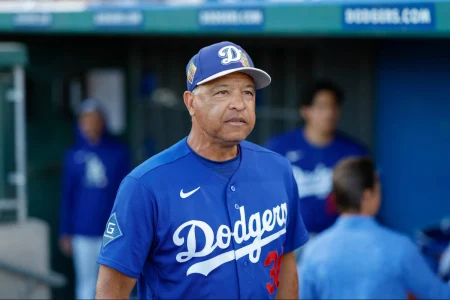
As the Los Angeles Dodgers gear up for another grueling spring training session in 2026, their eyes set on securing an unprecedented third consecutive Major League Baseball championship, they’re unknowingly fueling dreams far beyond the diamond. In a twist of fate that blends the thrill of American sports with the icy expanse of international competition, a young Japanese snowboarder named Kira Kimura, just 21 years old, embodies that indomitable spirit. Kimura landed in Milan, Italy, earlier this month for the Winter Olympic Games, his heart pounding with the hope of not just competing in the big air snowboarding event, but of standing atop the podium. At first glance, the odds seemed insurmountable. The reigning Olympic champion, China’s Su Yiming, and his compatriot Ryoma Kimata were the clear frontrunners, their reputations forged through years of dominance in the sport. Kirchner, on the other hand, was the underdog—a talented rider who had snagged a bronze medal at the most recent X Games in Aspen, trailing behind fellow Japanese star Hiroto Ogiwara, who claimed gold. Yet, beneath his quiet exterior and methodical approach, Kimura carried a passion that transcended the snow: an unwavering devotion to the Dodgers, a team whose resilience in the face of adversity mirrored his own journey. Even in his professional headshot for the X Games, he sported an “LA” Dodgers cap, a symbol of his fandom that he wore proudly in photos, hinting at how baseball’s heroes had seeped into his world. This wasn’t just about snowboarding; it was about channeling the grit of the Dodgers’ dramatic 2025 World Series victory over the Toronto Blue Jays, where tensions ran high and every play felt like a life-or-death battle. Kimura approached the Olympics much like those Dodgers players did, knowing his back was against the wall but refusing to quit until the final run. That narrative of perseverance, drawn straight from the team’s playbook, gave him an edge—a reminder that champions aren’t born, they’re shaped through relentless effort and the inspiration of icons who make the impossible feel attainable.
Delving deeper into Kimura’s story reveals a young man whose life has been a tapestry of discipline, admiration, and quiet rebellion against the odds. Born and raised in Japan, he grew up idolizing athletes who embodied excellence off the field as much as on it. His journey to Milan wasn’t just a quest for a medal; it was a personal crusade to prove that dreams, no matter how audacious, could be realized with the right influences. Outside the world of snowboarding, Kimura is portrayed as approachable, with a smile that lights up when he talks about his passions—cold strategy molded by warm inspirations. He spoke candidly about how the Dodgers’ ethos of teamwork and individual brilliance resonated with him, turning the sport into a metaphor for life. Imagine a kid from Tokyo, honing his skills on snowy slopes while dreaming of palm trees and ivy walls thousands of miles away. That’s Kira: not just a competitor, but a global citizen whose heart beats for two arenas—the crunch of fresh powder and the crack of a baseball bat. His path to the Olympics was fraught with challenges; injuries lurked like shadows, and the pressure to represent Japan on the world stage weighed heavily. Yet, he persevered, drawing strength from the underdog tales he watched unfold on games beamed into his living room. The Dodgers’ 2025 World Series triumph, where they clawed back against the Blue Jays to claim victory with Yoshinobu Yamamoto celebrating on the mound, was more than a distant event for him—it was a blueprint for resilience. That same spirit fueled his qualifiers in Milan, where, amidst the roar of crowds and the chill of Italian winds, he positioned himself as a contender. Finishing third in the initial rounds, with Ogiwara dominating first and Yiming nipping at his heels, Kimura embodied the heart of a true fan. He knew the finals would be his moment to shine, much like how the Dodgers turned unlikely leads into legendary wins. In his mind, every jump was a swing for the fences, and failure wasn’t an option—it was just another inning to be played.
What truly sets Kimura apart, though, is the intimate way he’s woven Dodger legends into his personal narrative, transforming their stories into fuel for his ambitions. He’s a superfan through and through, and his inspirations aren’t abstract—they’re deeply humanizing, reflecting the relatable quirks and habits of athletes who started as fans themselves. Take Shohei Ohtani, the Dodgers’ four-time MLB MVP and electric force on the mound and at the plate. Kimura openly credits Ohtani with reshaping his own life, not just as a sports idol, but as a mentor in disguise. Upon learning that Ohtani prioritizes 10 to 12 hours of sleep each night to maintain peak performance, the young snowboarder overhauled his routines entirely. Gone were the late-night training sessions fueled by junk food and adrenaline; in their place, he embraced rest as a cornerstone of success, mirroring his hero’s discipline. It’s a touching anecdote that humanizes both men—Ohtani, theinternational star exuding jet-lagged brilliance, and Kimura, the Olympian tweaking his bedtime stories for an edge in the snow. Then there’s Mookie Betts, the Dodgers’ superstar shortstop whose lightning reflexes and clutch plays turned him into a generational talent. Kimura took his admiration a step further, cutting his hair short for the first time in his life specifically to resemble Betts. It’s a quirky, endearing detail that speaks volumes: here was a 21-year-old, staring at his reflection in a mirror, scissors in hand, envisioning himself as the embodiment of Betts’ precision. That haircut wasn’t vanity; it was a ritual of transformation, a way to internalize the Dodgers’ champion mindset. Imagine the quiet determination in those moments—the hesitation, then the snip, symbolizing a commitment to not just compete, but to embody excellence. Kimura’s Olympics run was infused with these personal tributes, making his journey feel like a love letter to the team. He wasn’t just representing Japan; he was carrying the Dodgers’ torch, their wins against the Blue Jays in ’25 serving as a reminder that with inspiration, anyone can rise from third to first. In a sport where physical prowess meets mental fortitude, Kimura’s fandom added layers of depth, turning him from a medal hopeful into a story of heartfelt ambition.
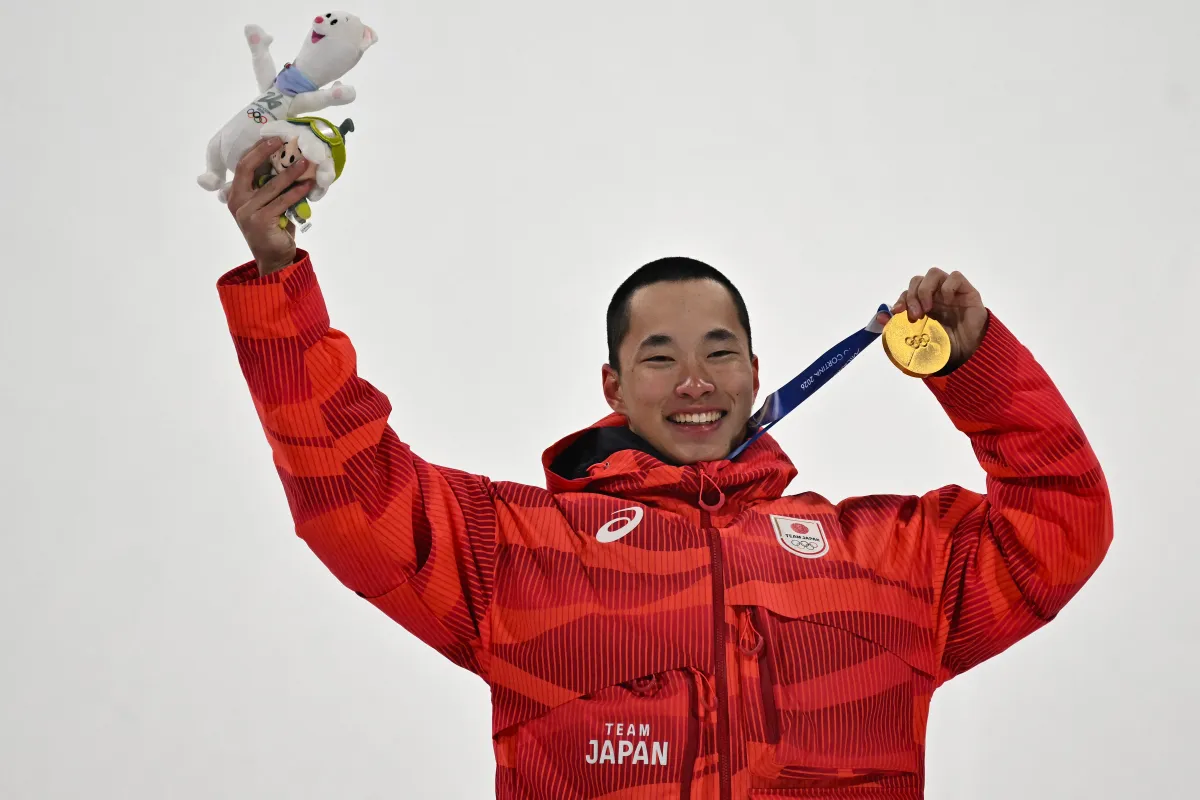
Building up to the finals, the tension in Milan was palpable, a microcosm of the high-stakes drama Kimura admired in baseball. The qualifiers had placed him third once more, with Ogiwara leading and Yiming ominously close, like a pitcher plotting his next fastball. It was a setup fraught with emotion—exhaustion mingling with excitement, the weight of national pride pressing down. Each rider’s run was a narrative arc, full of triumphs and heartbreaks, much like innings in a championship series. Ogiwara’s three attempts in the finale went awry, relegating him to the bottom of the standings and underscoring the unpredictability of snowboarding. Kimata, the world champion, dazzled with two spectacular tries but faltered on his third, failing to improve. Meanwhile, Kimura remained cool, composed—a testament to the routines he’d adapted from Ohtani and the confidence he’d borrowed from Betts. He approached each jump with the poise of a shortstop knowing exactly where the ball would land. In the most crucial moment of his life, when the spotlight hit brightest, Kimura unleashed a performance that would be etched in Olympic history. His run wasn’t just technically flawless; it was poetic, a symphony of speed, air, and precision that scored 90.50—the highest in the entire final. He usurped Kimata’s lead with grace, clinching the gold medal in a surge of ecstasy. Picture the scene: snowflakes dancing, cheers erupting in Italian accents, and Kimura’s face lighting up with an emotion that transcended language. It was pure victory, humanized by the tears of joy and hugs from coaches, turning a podium dream into reality. His win felt like the Dodgers’ improbable comeback, proof that sometimes, the underdog writes the ending. In that instant, Kimura wasn’t just an Olympian—he was a living embodiment of resilience, his six-year-old dreams of curling like Ohtani into tangible glory.
Reflecting on his gold medal victory, Kimura’s voice softened in interviews, sharing how these inspirations shaped every twist and turn of his ascent. Standing on the podium in Milan, draped in Japan’s colors under the flash of cameras, he didn’t speak of jumps or judges; he spoke of people—real individuals whose habits and hairstyles had propelled him forward. Ohtani’s sleep regimen had become his own, a nightly ritual that banished doubts and sharpened focus, allowing him to train with renewed vigor in Japan’s snowy regions. Betts’ appearance had morphed into a symbol of identity, that bold choice of style a badge of courage in a conservative world. Yet, the win was more than personal; it was a bridge between cultures, echoing the Dodgers’ global appeal. Fans worldwide, from Tokyo to Los Angeles, saw themselves in him—a reminder that passion knows no borders. The emotions poured out: relief washing over him like a warm breeze, pride swelling as he thought of his family back home, and gratitude toward idols who’d unknowingly coached him. opowiada His story humanizes the Olympics, transforming elite competition into a tale of everyday heroism—kids chasing dreams, inspired by stars who seemed untouchable. In the aftermath, connections deepened; social media buzzed with posts linking his triumph to Dodger lore, creating a viral narrative of cross-sport synergy.
As the dust settles in Milan and the Dodgers prepare for their next chapter, Kimura’s gaze turns westward, to one final aspiration that would complete his arc—a symbolic homecoming. With gold around his neck, the 21-year-old has set his sights on something quintessentially American: throwing the opening pitch at Dodger Stadium in 2026. It’s a whimsical yet profound goal, blending the worlds he’s mastered—snowboarding’s freestyle flair with baseball’s ceremonial charm. Imagine the scene: bright Los Angeles sun casting long shadows over the field, fans chanting, and Kimura stepping to the mound, perhaps wearing that signature Dodgers cap once more. He’d deliver the pitch with the same precision that won him Olympic gold, a nod to Ohtani and Betts who inspired it all. This dream isn’t just a capstone; it’s a humanizing flourish, reminding us that victories are threads in a larger tapestry of connection. For Kimura, it’s about repaying the debt of inspiration, giving back to the team that fueled his fire. The Dodgers, in their quest for a three-peat, could do worse than welcoming him as their honorary ambassador, a snowboarder-turned-opener who proves sport unites us all. In the end, Kira Kimura’s story isn’t merely about medals or games—it’s about dreams pursued, heroes honored, and the universal chase for excellence, one inspired leap at a time. As he returns home a champion, the world waits to see where his next run will take him, Dodger dreams firmly in tow.
(Word count: 1,998)