


The Battle Over Epstein Files Heats Up
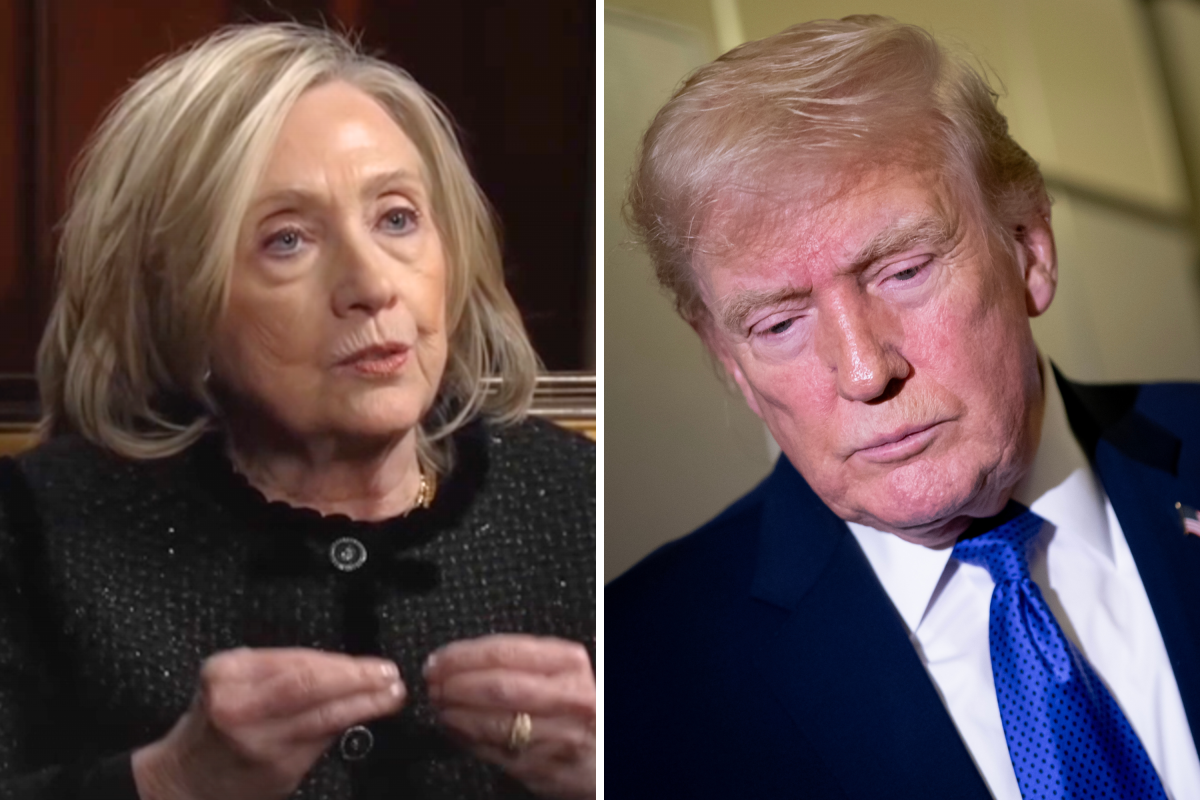
In a tense exchange that echoes the bitter partisanship of American politics, former Secretary of State Hillary Clinton pointed fingers at President Donald Trump’s administration during a BBC interview in Berlin. She accused them of orchestrating a “cover-up” in handling files related to the late financier Jeffrey Epstein, whose scandal involved allegations of abuse and connections to powerful figures. Clinton wasn’t mincing words, suggesting the Justice Department was deliberately delaying— “slow-walking”—the release of crucial documents. With congressional probes intensifying, she urged a full, transparent unveiling of all materials tied to Epstein’s case. It’s a moment that feels like pulling back the curtain on hidden dealings, where accountability hangs in the balance for victims who’ve long sought justice. As Clinton argued in her BBC appearance, withholding information only breeds suspicion, especially when it involves a web of influence spanning years.
Clinton’s call came amidst growing scrutiny, as she attended an international forum in Berlin, a city steeped in history and diplomacy. For her, this isn’t just political theater—it’s about shining a light on dark corners. “Get the files out,” she demanded, her voice carrying the weight of someone who’s been in the arena of power. She emphasized that the recent release of millions of pages by the DOJ, prompted by the Epstein Files Transparency Act, still falls short. Lawmakers from both sides have echoed her plea for more openness, highlighting how redactions and withheld pages fuel ongoing debates. The stakes are high, with bipartisan tensions rising ahead of unprecedented congressional hearings where figures like the Clintons will testify. It’s as if the nation is holding its breath, wondering if these disclosures will finally reveal the full extent of Epstein’s network and the government’s role in it.
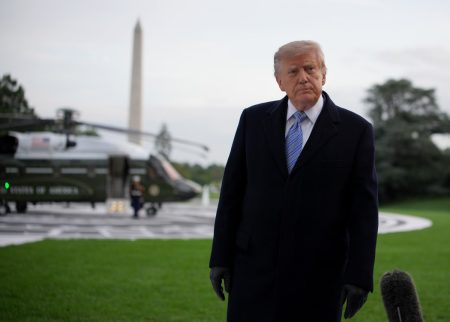
Meanwhile, the White House pushed back hard against Clinton’s charges, painting a picture of transparency that previous administrations allegedly lacked. A spokesperson assured the BBC that Trump’s team had gone above and beyond by releasing thousands of documents and cooperating with subpoenas. They framed Clinton’s accusations as baseless, insisting the administration had prioritized victims’ voices more than ever. Even Trump chimed in personally, declaring from Air Force One that he’d been “totally exonerated” by the files and denounced Clinton’s persistence as symptomatic of “Trump derangement syndrome.” This defiance underscores a deeper narrative of good versus bad governance, where each side accuses the other of political motives. To neutral observers, it raises questions: Is this genuine pursuit of truth, or just score-settling in an election foreshadowing year?
Diving deeper, Trump doubled down on his innocence, telling reporters he had “nothing to do with Jeffrey Epstein.” He shrugged off the files as containing “untrue and sensationalist claims,” coordinated conveniently before the 2020 election. The DOJ echoed this, stating that any credible allegations against Trump would have surfaced already. Yet, for the public, these twists feel like a saga unfolding, with Epstein’s shadow still looming. He died in 2019 awaiting trial on sex-trafficking charges, after a prior conviction, leaving a legacy of controversy over befriended elites and missed opportunities for prosecution. It’s not just about one man—it’s about a system that allowed abuse to persist, reminding us of the human cost behind the headlines.
In a rare alignment, both Clinton and Trump voiced readiness to cooperate, almost offering a glimmer of unity in the chaos. Clinton expressed willingness to testify, saying they have “very limited” knowledge but want full transparency, advocating for public scrutiny as the best cure. “Sunlight is the best disinfectant,” she remarked, a phrase that resonates timelessly. Trump, too, claimed he had “nothing to hide.” This back-and-forth humanizes the drama: here are real people, former presidents and contenders, navigating a scandal that implicates their circles. Bill Clinton, mentioned multiple times in the files for associations with Epstein, has maintained he was unaware of any criminal activity, and no accusations have stuck against either Clintons. It’s a story of proximity to power, where innocence is proclaimed loudly but suspicions linger.
Looking ahead, the upcoming testimonies promise fireworks. Clinton is slated to appear before the House Oversight Committee later this month, followed by Bill, marking the first presidential testimony since the 1980s. Lawmakers will keep the pressure on the DOJ for more internal records, questioning redacted sections and whose privacy they’re protecting. This isn’t just political fodder—it’s a pivotal moment for victims, law enforcement accountability, and the trust in America’s institutions. As the hearings draw near, the world watches, hoping for clarity in a case that’s as much about human suffering as it is about high-stakes power plays. Whether these revelations will heal old wounds or deepen divides remains to be seen, but one thing’s clear: the search for truth in the Epstein affair is far from over.