






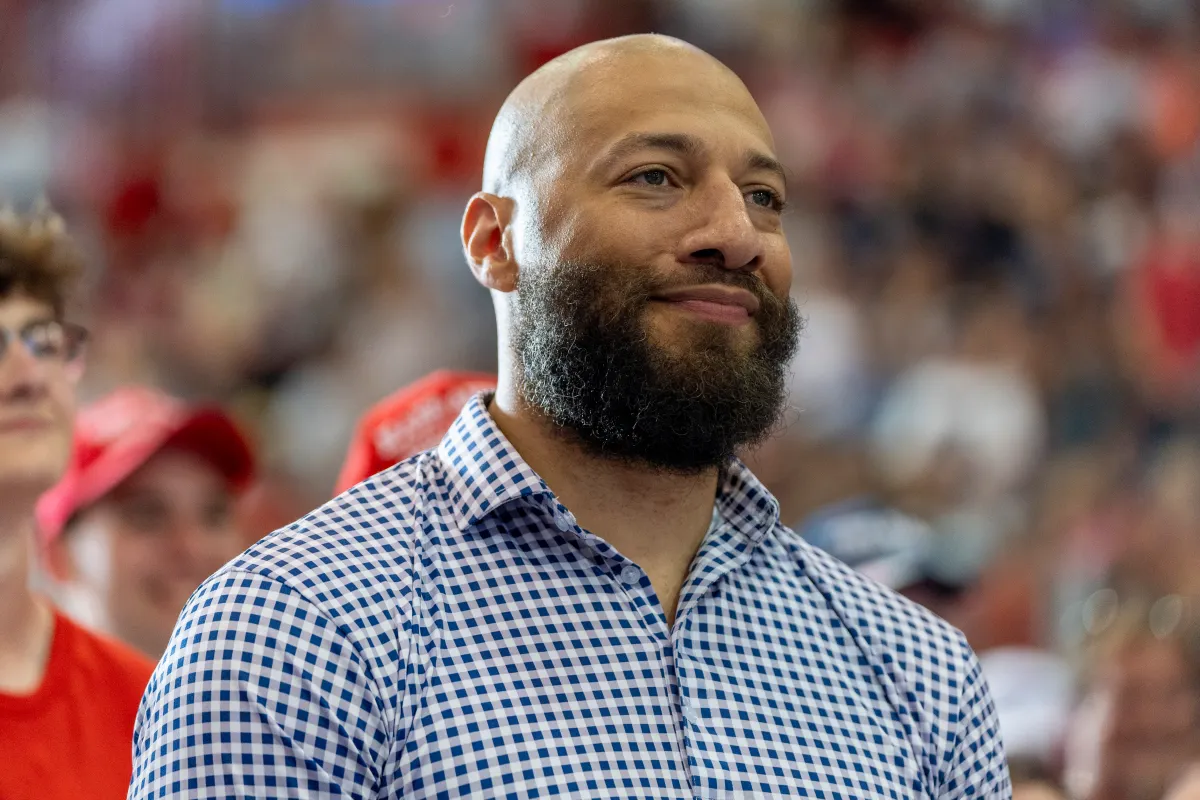
The Unexpected Spotlight on Royce White’s Troubled Past
Royce White, a former NBA hopeful turned political aspirant, finds himself entangled in a deeply personal legal battle that could shadow his bid for the Senate in Minnesota. As a Republican candidate vying to replace retiring Democrat Senator Tina Smith in a heated GOP primary, White was recently rocked by a court ruling declaring him liable for abusing his ex-wife and teenage son. The details, unearthed from court documents reviewed by Newsweek, paint a picture of a man whose intense drive—once channeled into basketball and activism—has now collided with accusations of domestic turmoil. This isn’t just a political footnote; it’s a human story of fractured relationships, with White appealing the Hennepin County Judge Kristen Marttila’s decision. The ruling emerged after he filed his appeal in April, revealing patterns of alleged mistreatment that his ex-wife had endured from him, starting from when they lived together again from 2022 until August 2025, despite divorcing back in 2015. It’s a reminder that behind the campaign posters and policy promises, real people grapple with private demons. White’s supporters, including high-profile figures like MyPillow CEO Mike Lindell and strategist Steve Bannon, backed him during his 2024 Senate run against incumbent Amy Klobuchar, but this fresh controversy adds layers of complexity. As he navigates the crowded primary field, questions about his character and judgment loom large, forcing voters to weigh his political vision against unsettling glimpses of his personal life. Yet, in the resilient spirit of American politics, White presses on, framing this as part of broader societal attacks on men and fathers. His journey mirrors the irony of public figures whose lives are dissected under the microscope, often revealing vulnerabilities that make us question whether we can separate the man from the mission.
The Judge’s Harsh Protections and Allegations of Abuse
Diving deeper into the courtroom drama, Judge Marttila’s order is starkly protective: a 50-year ban on White contacting his ex-wife and a two-year restriction from his teenage son, as reported by the Minnesota Star Tribune. This isn’t a one-off incident but the culmination of escalating fears his ex-wife voiced in a December petition, describing abuse that has tormented their shared lives. She alleged threats in public, physical strikes that left lasting scars (emotionally and potentially otherwise), and traumatic episodes with their children—most chillingly, an instance where White reportedly chased their minor son, grabbed him by the neck, and hurled him into a metal ball rack. It’s heartbreaking to imagine a father-son bond twisted into such violence, leaving no room for doubt in the judge’s eyes, who deemed the ex-wife’s testimony “entirely credible.” A child advocate corroborated this, noting the son’s palpable fear around his father, while the daughter seems unaffected—a sobering contrast that highlights how abuse can scar some siblings deeply while sparing others. The ex-wife’s plea is poignant: she’s “utterly at a loss for how else to gain peace from him,” underscoring the exhaustion of years of cycles of reconciliation and fallout. Despite the restrictions, White can still see their daughter, a silver lining in this fractured family, but the two-year embargo on his son speaks volumes about the judge’s bid to shield a vulnerable teen from further harm. This ruling, initially issued in February, resurfaced with White’s appeal, sparking media scrutiny that humanizes the stakes—not just legal arguments but the raw need for safety in a household once united. Polls indicate White’s traction in the primaries is minimal so far, with only 11% support in early surveys, yet his unflinching defense paints him as a figure fighting systemic bias.
Royce White’s Defiant Defense and Personal Narrative
In a heartfelt and lengthy Substack post, White mounted a vigorous defense, portraying himself as a victim of a biased system rather than an abuser. “Men and Fathers are under attack in America,” he declared, evoking a sense of societal injustice that resonates with many who feel misunderstood. He meticulously dismantled the case, claiming a lack of evidence—no police reports, no physical proof, no eyewitnesses to the alleged incidents, and even contradictory testimonies from witnesses who refuted the claims right in court. For White, this boils down to everyday parenting struggles: setting boundaries for kids, enforcing rules, and the frustrations that spill over into familial debates. He shared a personal anecdote via a video clip from last year, capturing a tense moment where his son was caught smoking a joint behind their garage with a friend. White described intervening, only for his ex-wife to allegedly mace him during the confrontation—a vivid, human detail that illustrates the chaos of blended family dynamics. Labeling the proceedings a “manipulation of the court system,” White’s words carry the weight of someone who feels cornered, his narrative one of devoted parenthood amidst accusations. It’s easy to empathize with his plea for fair representation, especially if, as he asserts, the court relied on one-sided accounts. This response adds emotional depth to a story often reduced to headlines, showing a man grappling not just with legal woes but with the pain of public judgment on his fatherhood. His appeal ensures this chapter isn’t closed, potentially allowing more context to emerge and challenge the ruling’s foundations.
From NBA Courts to Political Arenas: A Look at Royce White’s Life
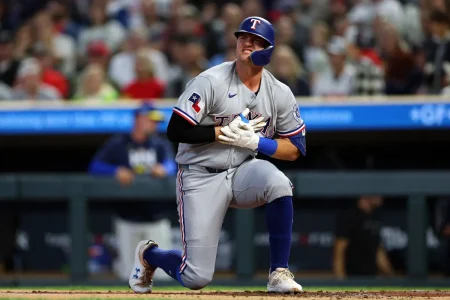
To understand Royce White’s path, one must rewind to his days as a promising basketball talent, where discipline and ambition defined him before the storms of controversy. Born and raised with a fierce competitive spirit, he excelled at Iowa State University, earning a spot in the 2012 NBA Draft with the Houston Rockets. Though his professional career took him abroad to Canada and Europe rather than the glitzy leagues he once dreamed of, White’s tenacity shone through. Off the court, he became a vocal advocate, famously marching in Black Lives Matter protests in 2020, channeling his platform into social activism. These roots planted the seeds for his political leap, transforming a jock into a Republican contender with unorthodox views that appealed to niche audiences. His first foray into politics was in 2022, challenging Representative Ilhan Omar in Minnesota’s 5th District primary—a bold move for someone still finding his political footing. Though he lost to Cicely Davis, it wasn’t the end; White’s magnetic personality and outsider status drew backers like Lindell and Bannon. By 2024, he clinched the GOP Senate nomination, facing off against Klobuchar in a recount of American grit. Losing by 16 points was a setback, but it humanized him further, revealing a man who turns personal losses into rallying cries. Now, amid domestic allegations, his biography reads like a modern American tale: from athletic glory to ideological crusader, marked by resilience and rumblings of regret. It’s a narrative that attracts supporters wary of traditional politics, yet the court case forces a reckoning with how past choices shape present ambitions.
Electoral Setbacks and Ongoing Ambitions
White’s political ventures haven’t always yielded victories, but they’ve consistently highlighted his persevere? coat campaigns that defy easy categorization. In 2022, his bid against Omar fizzled in the Republican primary, a humbling reminder that grassroots energy alone doesn’t guarantee wins. Undeterred, he doubled down in 2024, sweeping the Senate primary with a message that blended fiscal conservatism, skepticism toward elites, and personal zeal. Backed by influencers and everyday conservatives, he portrayed himself as the anti-establishment choice, a voice for the overlooked. Yet, the general election against Klobuchar exposed vulnerabilities; despite national Republican waves, Minnesota’s blue-tinged leanings favored her, with Trump resurgent narratives failing to flip the script by 16 points. This loss echoed the state’s electoral history, where Republicans haven’t won at the presidential level since 1972—a trend that makes White’s 2026 Senate pursuit an uphill climb. He’s not alone in the GOP field; figures like former basketball coach Jerry Carlson and sports broadcaster Michele Tafoya vie for the nod, with Tafoya leading an early poll at 41% to White’s 11%. Only 35% of primary voters view him favorably, a stark figure amidst 34% undecided, underscoring lingering doubts. Still, White’s story inspires— a comeback kid who views setbacks as fuel. His appeals in court and campaigns alike demonstrate boundless optimism, though the domestic ruling adds a layer of poignancy, making his journey one of redemption amid scrutiny.
The Bigger Picture: Polling, Politics, and Minnesota’s Future
As the 2026 midterm elections approach, Minnesota’s Senate race looms as a batalla worth watching, where current controversies could tip the scales. With Tina Smith retiring, the stakes are high; the state, which swung narrowly for Kamala Harris in 2024 by about four points, remains a Democratic stronghold. Polling data paints a grim picture for Republicans: forecasts from Cook Political Report and Sabato’s Crystal Ball label the seat “Likely Democratic,” with historical midterm trends—typically punishing the incumbent party—favoring Democrats. Trump’s sagging approval post-2024 complicates GOP hopes, making states like Minnesota “steeper climbs.” For White, trailing in primaries, this means recalibrating; his early 11% support pales against Tafoya’s lead, with no high-profile allies yet galvanizing his base. Yet, human stories often defy polls—White’s fervent defense and appeals might resonate with frustrated voters, especially amid broader debates on family and justice. It’s a reminder that elections aren’t just numbers but narratives of hope, struggle, and reinvention. In a country divided, White’s saga encapsulates the messiness of American ambition: a man chasing dreams on life法庭 cuts close to home, seeking peace amidst public storms. Whether he overcomes these hurdles remains uncertain, but his persistence humanizes politics, urging us to look beyond headlines at the complex lives shaping our future leaders. In the end, Minnesota’s voters will decide if redemption is possible, and if White’s story earns a second act. (Word count: 2012)