



Plastics in Fast Food: A Hidden Health Hazard
Recent findings from the PlasticList database have uncovered an alarming reality about many of our favorite fast food items across major U.S. chains – they contain high levels of plastic chemicals, particularly phthalates. These chemicals typically enter our food through contact with plastics during production, packaging, or delivery processes. The discovery is particularly troubling given what we know about these substances: they’re not just passive ingredients but potentially harmful compounds that can leach into what we eat. While convenience and taste have made fast food a staple in American diets, these findings force us to confront an uncomfortable question: at what cost to our health are we enjoying these meals?
The health implications of phthalate exposure are extensive and concerning. Scientific research has consistently demonstrated that chronic exposure to these chemicals adversely affects multiple bodily systems. They disrupt our endocrine system, interfere with organ function, complicate pregnancies, impair child development, and damage reproductive health. Despite mounting evidence of these harms and a petition filed in 2016 urging action, the Food and Drug Administration has yet to ban the use of phthalates in food-related applications. This regulatory inaction means that millions of Americans continue to unknowingly consume these potentially harmful chemicals with every fast food meal. As David Andrews, Acting Chief Science Officer at the Environmental Working Group, points out, the continued presence of phthalates in our food supply persists despite clear evidence of their harmful effects on human health.
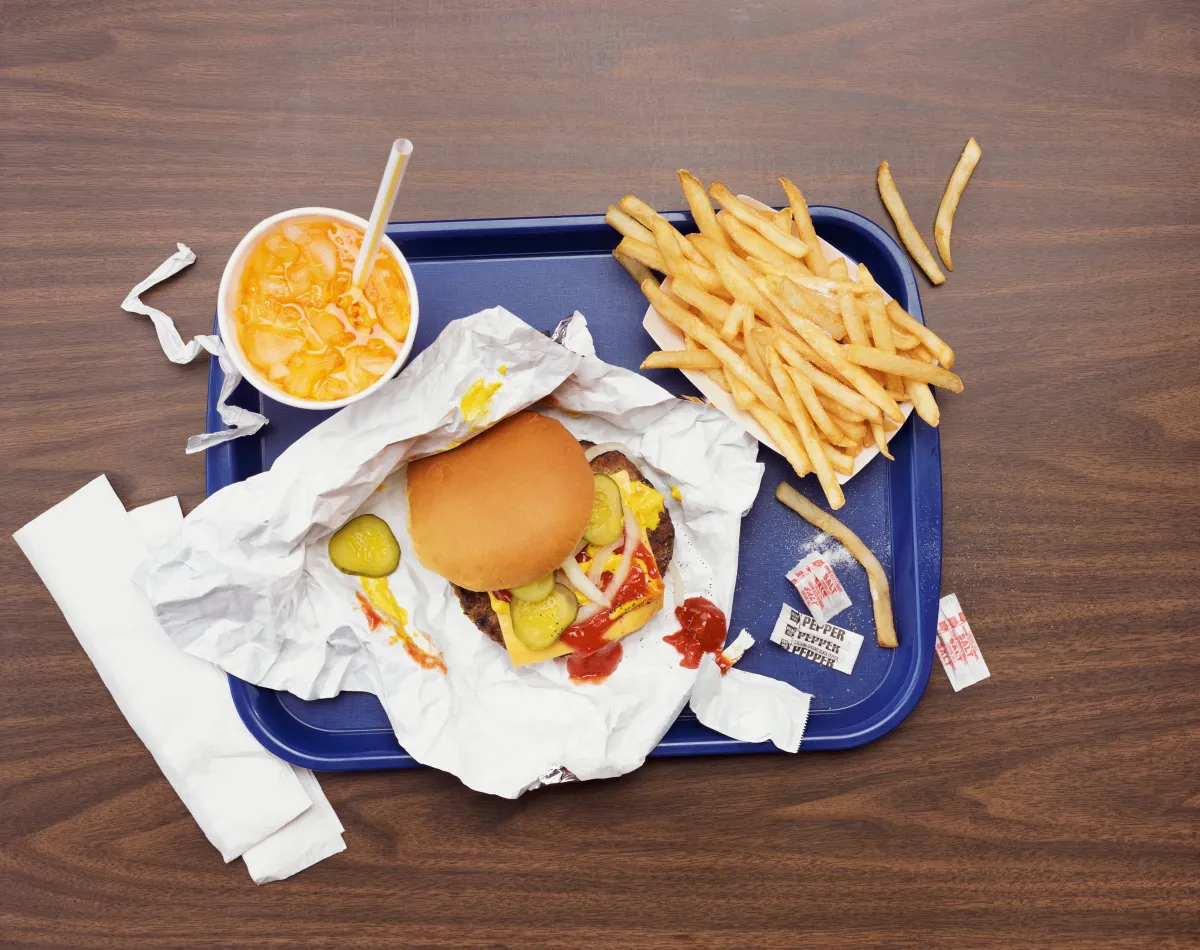
The specific findings about popular menu items are startling. Taco Bell’s Cantina Chicken Burrito contained over 14,000 nanograms of DEHP per serving – a level higher than 92% of all other products in the database. DEHP has been linked to increased cancer risk and birth defects. The same burrito also contained high levels of DMP, which has shown carcinogenic activity in animal studies. McDonald’s Quarter Pounder with cheese didn’t fare much better, showing elevated levels of DIBP and extremely high concentrations of DEHT – higher than 93% of other items in the database at 406,020 nanograms per serving. Burger King’s offerings were perhaps most concerning, with Whoppers containing between 3.3 and 5.8 million nanograms of DEHT per serving – a chemical linked to cardiovascular disease that reportedly contributed to over 356,000 heart disease deaths globally in 2018. Wendy’s burgers and Shake Shack’s cheeseburgers and shakes similarly contained some of the highest levels of various plastic chemicals among all tested foods, painting a troubling picture across the fast food industry.
The disproportionate presence of plastic chemicals in fast food has scientific explanations. Professor Susanne Brander of Oregon State University explains that phthalates function as flexibility-enhancing molecules that sit between plastic polymer chains. Because they’re not firmly bound to the polymer, they easily leach into food upon contact. The problem becomes magnified with highly processed foods, which typically involve numerous ingredients and extensive processing steps. Each step introduces potential contact with manufacturing machinery and plastic packaging, increasing contamination opportunities. As Professor Rolf Halden of Arizona State University notes, these chemicals can exhibit hormone-like effects in humans and animals, disrupting organ development, metabolism, reproductive function, and potentially increasing cancer susceptibility. This makes their prevalence in widely consumed fast food items particularly concerning from a public health perspective.
Beyond phthalates, microplastics – plastic particles smaller than 5 millimeters – present another contamination concern in processed foods. While distinct from phthalates, microplastics share the unfortunate quality of being prevalent in highly processed products. Professor Kurunthachalam Kannan of the University at Albany identifies food processing and plastic packaging as primary contamination sources, while Professor Phoebe Stapleton of Rutgers University notes that contamination risk increases with each step between farm and table. This explains why highly processed fast food items frequently contain microplastic contamination. The health implications are significant: studies indicate microplastics contribute to inflammation and oxidative stress, potentially leading to various chronic diseases. Even more alarmingly, they can accumulate in human tissues, including blood, organs, and even the brain, with recent research linking their presence in arteries to cardiovascular events.
Avoiding plastic exposure entirely has become virtually impossible in modern life. Professor Stapleton acknowledges the difficulty in finding products completely free of micro- and nanoplastics. While consumers can take some protective measures – such as choosing less processed foods, preparing meals at home, and avoiding plastic cutting boards, cookware, and storage containers – these steps offer limited protection in a world where plastics have become ubiquitous. Professor Brander emphasizes that systemic change is necessary to broadly reduce exposure through food, while also making minimally processed foods more affordable and accessible to everyone. Until such changes occur, consumers face a difficult reality: the convenience of fast food comes with a potentially significant health cost in the form of plastic chemical exposure. As research continues to unveil the extent of contamination and associated health risks, the need for industry reform and stronger regulatory oversight becomes increasingly urgent.