


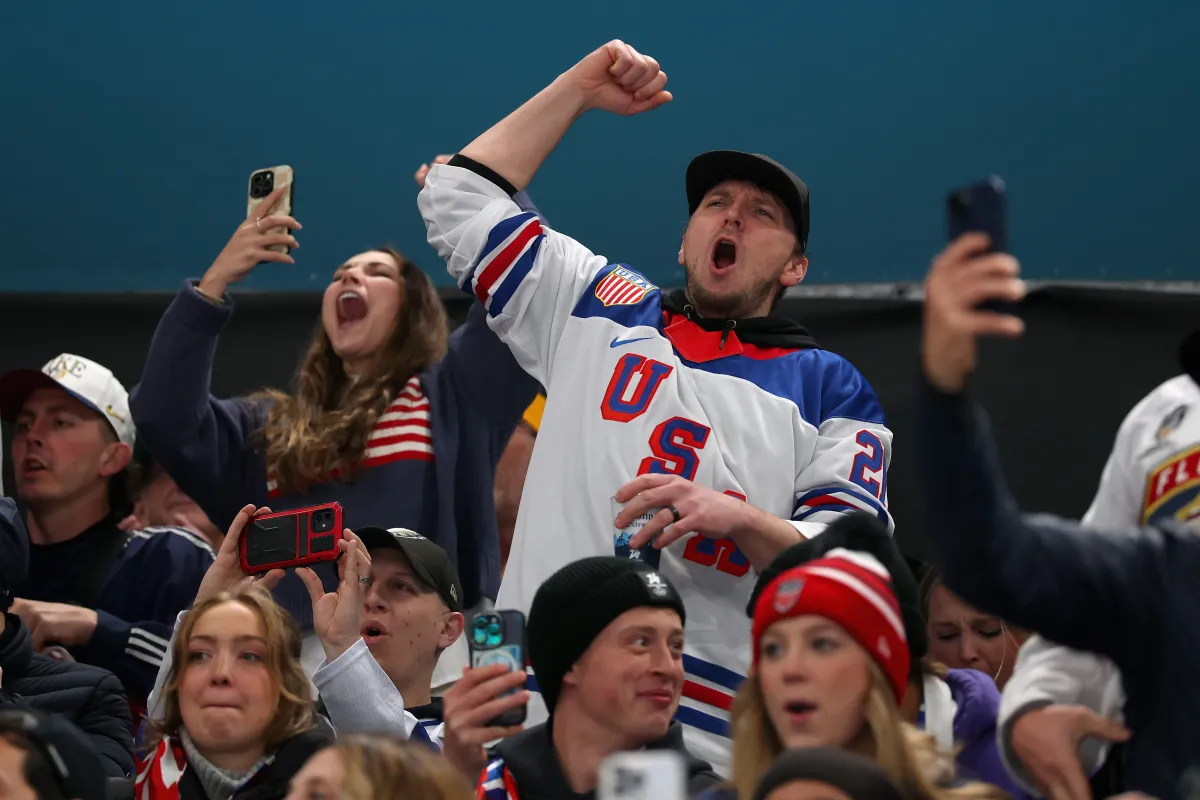
The rivalry between the USA and Canada men’s hockey teams has always simmered with raw intensity, like a family feud passed down through generations of athletes who bleed red, white, and blue or wear the red maple leaf. Heading into the 2026 Winter Olympics in Milan, the Americans aren’t just chasing gold—they’re out for blood, a chance to settle scores with their northern neighbors after a bitter split in the Four Nations tournament last year. Imagine the sting of bragging rights slipping away when Canada squeaked out a win in the final, leaving USA players and fans stewing in defeat. Now, with the world’s stage set, Team USA’s mission is clear: face off against Canada and rewrite the narrative. It’s not just about hockey anymore; it’s personal. Coaches, players, and supporters alike talk about the burn of past losses, the sleepless nights replaying missed opportunities, and the fire that fuels their drive. Brock Nelson, the gritty captain anchoring New York’s Islanders, embodies this spirit—a guy who’s seen the highs of playoff heroics and the lows of dubious officiating. As the puck drops in Milan, the air is electric with anticipation, a testament to how these rivalries make Olympic hockey more than a sport; it’s a heartbeat, pulsing with dreams of redemption and the thrill of overcoming the odds.
Diving into the Games, the Americans kicked things off with a rollercoaster of emotions against Latvia, mirroring the turbulence from that Four Nations clash. In the early going, frustration boiled over as if history was repeating itself. Picture the scene: the arena packed with passionate fans, the roar of the crowd, and then—bam—two goals waved off like unwelcome distractions at a party. First, Quinn Hughes, the sleek defenseman from Vancouver, propelled the puck past the goal line, but replays showed Brock Nelson, charging in from offside, had tipped the scales unfairly. Deflating for Nelson, who’d invested every ounce of his 6-foot-3 frame into that play, but worse came when he buried one himself, only for goaltender interference to steal the moment. Fans on social media erupted like a volcano, flooding timelines with outrage, hashtags like #RobbedByOfficials trending as the game trudged into intermission at 1-1. It wasn’t just calls; it felt like an omen, echoing the end-of-Four Nations agony. Social media buzzed with memes and rants, Americans feeling the weight of perceived injustice, while Nelson gritted his teeth, channeling that fury into determination. He later admitted in media scrums that those moments stung like old wounds reopening, reminding him why revenge against Canada matters so much—it’s about pride, proving they’re not ones to be pushed around, no matter the referees’ whistles.
But resilience defines the USA squad, and just when it seemed the night might unravel into more heartbreak, the second and third periods flipped the script with the flair of Hollywood drama. The team shed the first-period shackles, unleashing their star power like untamed stallions. Jack Hughes, the dynamic 22-year-old wunderkind from New Jersey, orchestrated plays with his elusive speed, while Auston Matthews, the Toronto Maple Leafs phenom playing for Team USA, brought his signature power and precision, reminding everyone why he’s a scoreboard destroyer. These aren’t just players; they’re storytellers on ice, weaving passes that build tension and release in exhilarating bursts. The scrappy, controversial opener transformed into a mastery, fans turning digital cheers into chants as goals flowed freely. It was cathartic, a release valve for pent-up frustrations, proving that in hockey, as in life, you can’t let setbacks define you. By game’s end, the 5-1 romp wasn’t just a win; it was a statement—proof that the Americans can rise above the noise, their Olympic journey rewinding the tape on past disappointments with newfound swagger.
Among the stars shining brightest was Brock Nelson, who shook off those overturned miracles to net two clutch goals, his helmet’s face shield hiding a grin of vindication as he celebrated with teammates. Not to be outdone, Tage Thompson, the Buffalo Sabres’ big-bodied sniper, added his own hammer with a thunderous strike that echoed through the arena. These performances humanized the team beyond stats: Nelson, a family man with young kids at home, talked post-game about channeling frustrations for them, inspiring fans who see him as the everyday tough guy with extraordinary talent. Thompson, with his infectious laughter in interviews, brought levity, reminding everyone hockey’s about camaraderie too. Their efforts highlighted the squad’s depth—a blend of youth like Hughes and Matthews’ explosive energy with veterans like Nelson’s grit—turning individual struggles into collective triumphs. It’s the human touch that makes these Olympics magical: players juggling sponsorships, family calls, and the grind, all while battling international rivals. Fans connected deeply, sharing stories of how Nelson’s persistence mirrored their own life’s call-offs, making the win feel like a shared victory, not just national pride.
Looking ahead, the Americans face Denmark on Saturday in what promises to be another high-stakes test, with Germany’s clash on Sunday capping the group stage against NHL heavyweights Tim Stutzle and Leon Draisaitl. These games are stepping stones, but the real buzz builds toward that Canada showdown, a grudge match infused with narrative. Meanwhile, Canada’s exhibition against Czechia was a masterclass: a flawless 5-0 shutout showcasing their dominance, stars like Connor McDavid dancing through defenses with effortless grace. Their coach, Jared Bednar, beamed about the team’s cohesion, attributing it to locker room chemistry forged in brotherhood. Yet, for USA fans, it’s fuel for the fire—Canada’s youthful phenom Macklin Celebrini, a teenage sensation already making waves, adds intrigue, while figure skating debates pit Yuzuru Hanyu against Nathan Chen and Ilia Malinin in side-event chatter. But hockey remains the heart, where rivalries brew not in isolation but in the stories of players like Nelson, whose post-game hugs with Hughes speak to unbreakable bonds. This is the Olympics dream—ordinary folks turned heroes, their journeys inspiring millions globally, transcending the ice into something profoundly human.
In wrapping up this early Olympic chapter, Team USA’s triumph against Latvia signals a promising underdog tale unfolding, rife with emotions that resonate far beyond sports pages. Frustrations from overturned goals morphed into jubilant celebrations, players embodying resilience in the face of adversity. As the team preps for Denmark and Germany, the canvas broadens for deeper narratives—family backstories, fan pilgrimages to Milan, and the sheer joy of international camaraderie. Canada’s stellar start adds spice, heightening stakes for the anticipated clash, where revenge isn’t just won; it’s savored. Through it all, these athletes remind us hockey’s essence lies in struggle and spirit, mixing high-octane action with heartfelt moments. By the end of these Games, whether USA claims gold or not, the stories etched here will linger—tales of redemption, rivalry, and the unbreakable human will to rise, unite, and conquer. As fans cheer from couches to arenas, the Olympics prove once more that in the heat of competition, humanity shines brightest, one goal at a time. The road ahead teems with possibilities, each game a chapter in an epic saga that unites us all in the thrill of the chase.