





The Steelers’ Bold Move: Introducing a Game-Changer Quarterback
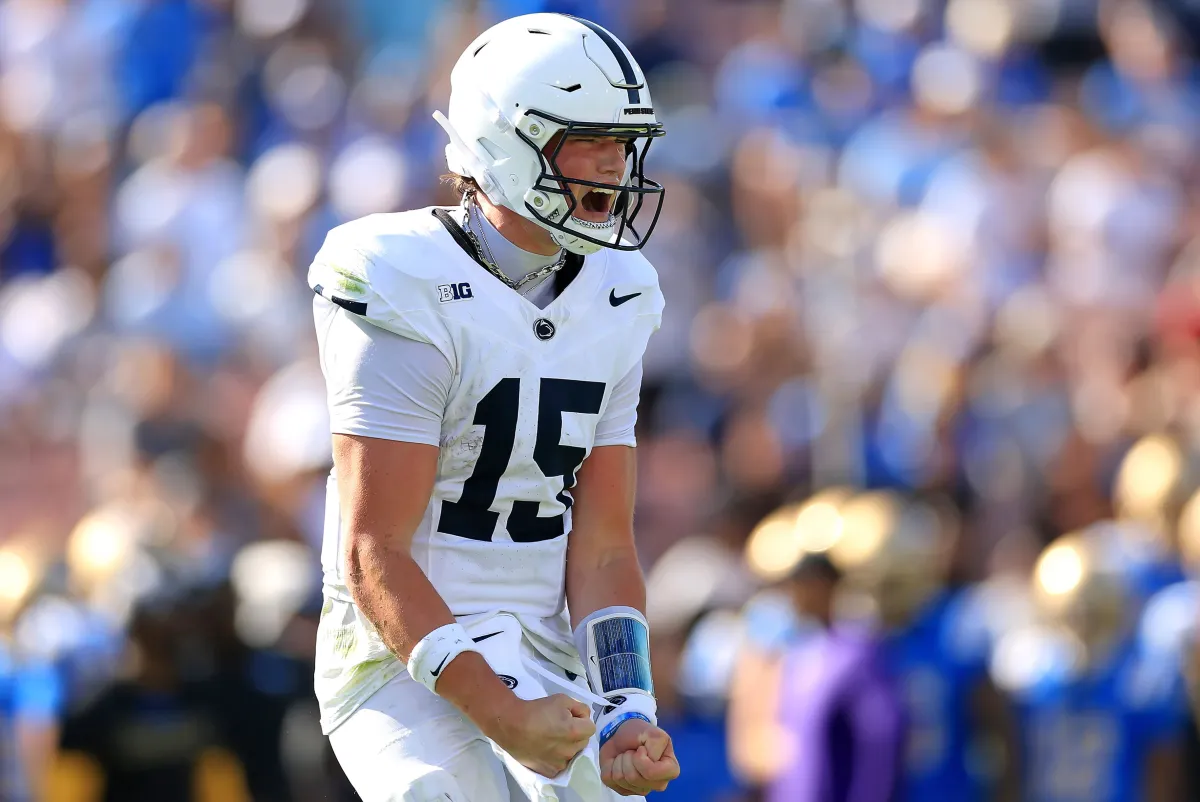
You know, as a lifelong fan of the Pittsburgh Steelers, I’ve seen my fair share of draft days filled with optimism and skepticism. Back in 2026, when the team snatched Penn State quarterback Drew Allar in the third round, it felt like a breath of fresh air for a franchise that’s been grappling with the quarterback position for what seems like forever. Many folks, including myself, immediately started daydreaming about the plan unfolding: groom him over the next year or two to become the Steelers’ long-term starter. It made sense, right? The team had been marking time with older gunslingers, and Allar, with his fresh face and electric talent, could be the guy to rebuild the legacy. Imagine the scenes—him stepping up in Heinz Field, fans roaring as he orchestrates drives like a young Ben Roethlisberger in his prime. That optimism wasn’t just fan hype; scouts had long raved about this kid’s potential, and the Steelers’ front office, led by savvy minds like those behind Omar Khan, seemed poised to unlock it. But as always with Pittsburgh, nothing’s that straightforward. There’s history here, layers of drama and heartbreak at the QB spot, from the highs of a Six Super Bowl run to the lows of injuries and inconsistency. Drafting Allar felt like planting a seed for the future, a calculated bet on raw ability over proven experience. Yet, whispers of Aaron Rodgers cast a shadow, approaching like an old friend you can’t quite forget. It was electric, that buzz—Pittsburgh wasn’t just filling a hole; they were positioning for a shift, betting on youth while navigating the uncertain wishes of their aging star. Fans like me debated over beers: would Allar be the spark, or would he languish in developmental limbo? The truth, unfolding in the weeks after the draft, hinted at complexity, much like the steel city’s own rugged charm. Allar’s arrival was no quick fix; it was a statement of intent, a reminder that in football, as in life, patience and the right guidance can forge legends from unpolished talent.
But buckle up, because the quarterback puzzle got even trickier with the hope that Aaron Rodgers, the enigmatic veteran and fan favorite, would grace the field one more time. Picture this: Rodgers, sage-like with his sunflower seeds and philosophical rants, returning in 2026 for a “farewell season,” as many speculated. It’s a storyline straight out of Hollywood—the aging hero coming back for his swan song, captaining the 6-8 Steelers towards a hopeful playoff run. Fans lit up at the thought; Rodgers has that rare charisma, blending on-field brilliance with off-field intrigue that keeps us hooked. We reminisced about his glory days in Green Bay, wondering if he could replicate that magic in black and gold, maybe even conjure up a final Super Bowl bid. Yet, beneath the excitement lay a harsh reality: what comes next? An entire offseason loomed ahead, filled with uncertainty. Without Rodgers anchoring the offense, the team risked stumbling into disarray, a predicament that could unravel hard-won progress. Would they lean on a bridge quarterback, or gamble big? Allar’s draft signaled planning, but Rodgers’ potential return muddied waters, forcing the franchise into a delicate dance between nostalgia and innovation. It reminded me of past Steelers eras, like when they transitioned from Terry Bradshaw to Neil O’Donnell—those handoffs aren’t clean, and missteps can sting. Rodgers’ involvement could be a blessing, elevating Allar through mentorship, or a curse, delaying his ascent and leaving the team exposed. As a fan, I felt torn: cheering for a Rodgerseque renaissance, yet yearning for Allar’s breakthrough. The 2026 season promised drama, a blend of hope and hesitation that defined Steelers football—the kind of narrative that keeps us coming back, year after year, for more.
Thankfully, voices like ESPN’s Dan Graziano brought perspective, urging us not to bet against Allar’s rapid rise. “Hey Steelers fans,” he seemed to say in his piece, “don’t discount Allar claiming the QB1 spot sooner than you think.” Graziano’s take hit home: the team knows this QB quandary isn’t something to patch up with Band-Aids; it demands a lasting solution, and Allar might just be that answer. He pointed out the draft positioning—Allar picked three rounds earlier than whatever fifth-year option they had in mind (though injuries slowed him down). It’s like Graziano was flipping the script, reminding us that talent like Allar’s doesn’t simmer forever; it demands action. And with Mike McCarthy at the helm after Art Rooney II’s pivotal hire, there’s real faith in developmental magic. McCarthy’s reputation shines bright—he’s not just a coach; he’s a quarterback whisperer, tuning in promising talents who’d otherwise fizzle. Imagine him working his Green Bay alchemy with Allar, turning potential into performance while juggling a Rodgers-led contender. Graziano wasn’t predicting it outright, but he dared us to envision Allar starting in 2027, a thrilling proposition. It humanized the process: football isn’t just about big spends; it’s about mentorship, blending hotshot veterans with eager rookies in a crucible of competition. As a fan, I appreciated the realism—ruling out Allar would be shortsighted, like dismissing a wildcard player. Graziano’s caution sparked excitement, painting Allar’s path not as a pipe dream, but a plausible reality in the steelhearted world of Pittsburgh football.
Delving deeper, Allar’s college resume screams stardom, a compelling narrative of dominance at Penn State that has NFL scouts salivating. Over three-plus seasons, he hurled the ball for an eye-popping 7,402 yards, piling on 61 touchdowns against just 13 interceptions—a ratio that screams precision and poise. But it wasn’t all arm; the guy racked up 736 rushing yards and another 12 scores on the ground, embodying the dual-threat archetype that modern teams crave. Picture him evading tacklers like a modern-day escapologist, turning broken plays into touchdowns. Despite a pesky season-ending injury in his final year, his tools are undeniable—scouts hail him as perhaps the most physically gifted quarterback from the 2026 class. Yet, his journey isn’t without blemishes; critics point to stagnant development, coaches who didn’t refine his God-given gifts into consistent results. It’s a classic tale: immense potential squandered by suboptimal environment. Allar’s college tape shows flashes of brilliance—deep bombs, scrambles, leadership—but also rough edges that hindered growth. As a fan, I empathize; we’ve all been that raw talent yearning for the right mentor. The Steelers’ gamble feels personal, like betting on a cousin who’s always been the life of the party but needed direction. His stats aren’t just numbers; they’re a foundation, proof he can produce at elite levels when unlocked. It’s the human side of football—the transformation from college phenom to NFL force, blending sweat, strategy, and self-belief into something unforgettable.
Enter Mike McCarthy, the steelworker in a coaching suit, poised to sculpt Allar into the quarterback Pittsburgh craves. McCarthy’s hiring after Mike Tomlin’s departure wasn’t random; it was strategic, betting on his famed ability to nurture young quarterbacks amidst contending atmospheres. Think of his Green Bay days: turning a raw Aaron Rodgers into an MVP machine, or helping lesser-known talents like Mitchell Trubisky find rhythm in Chicago’s pressure cooker. With McCarthy, it’s never just X’s and O’s; it’s empathy, grinding sessions, and unwavering belief in development. For Allar, this could be the turning point—McCarthy’s mentorship addressing those stagnant issues, maximizing his physical gifts for real results. Why hire him if not for this? The Steelers front office sees it: McCarthy can coach veterans like Rodgers for wins today while cultivating Allar for victories tomorrow. As a fan, I picture the scenes—Allar soaking up wisdom in film sessions, transitioning from college errors to pro polish. It’s humanizing football: not just players, but guides who shape legacies. McCarthy’s arrival adds layers to the story, transforming a draft pick into a testament of faith in potential over past. Could he accelerate Allar in one season? It’s not impossible; great coaches accomplish miracles. This dynamic fuels the optimism, bridging gaps in the Eagles and Steelers rivalry, ensuring Allar’s arc isn’t a footnote but a headline.
Ultimately, Drew Allar’s arrival in Pittsburgh feels like the start of a beautiful, unpredictable chapter for Steelers fans like me. With Rodgers potentially bowing out after 2026 and McCarthy wielding his developmental wand, Allar could evolve swiftly, claiming the starting gig sooner than expected. It’s a human story of talent meeting opportunity—the rookie with the world on his shoulders, navigating NFL politics, injuries, and the high stakes of a historic franchise. We’ve dreamed of this: a quarterback renaissance, blending youth and grit in the foggy hills of western Pennsylvania. Graziano’s wisdom reminds us to stay open-minded; Allar’s fate isn’t sealed in setbacks but shaped by smart guidance. Imagine the excitement if he shines behind a strengthened offensive line, led by young stars like Broderick Jones. This isn’t just about wins; it’s about legacy, community, and the thrill of rooting for a potential icon. As seasons unfold, Allar’s journey could redefine the Steelers, turning skepticism into celebration. Here’s to hoping—cheers to the black and gold, and the bright future ahead. (Word count: 2,008)