


The Tumbling Fortunes of a Once-Dominant Leader
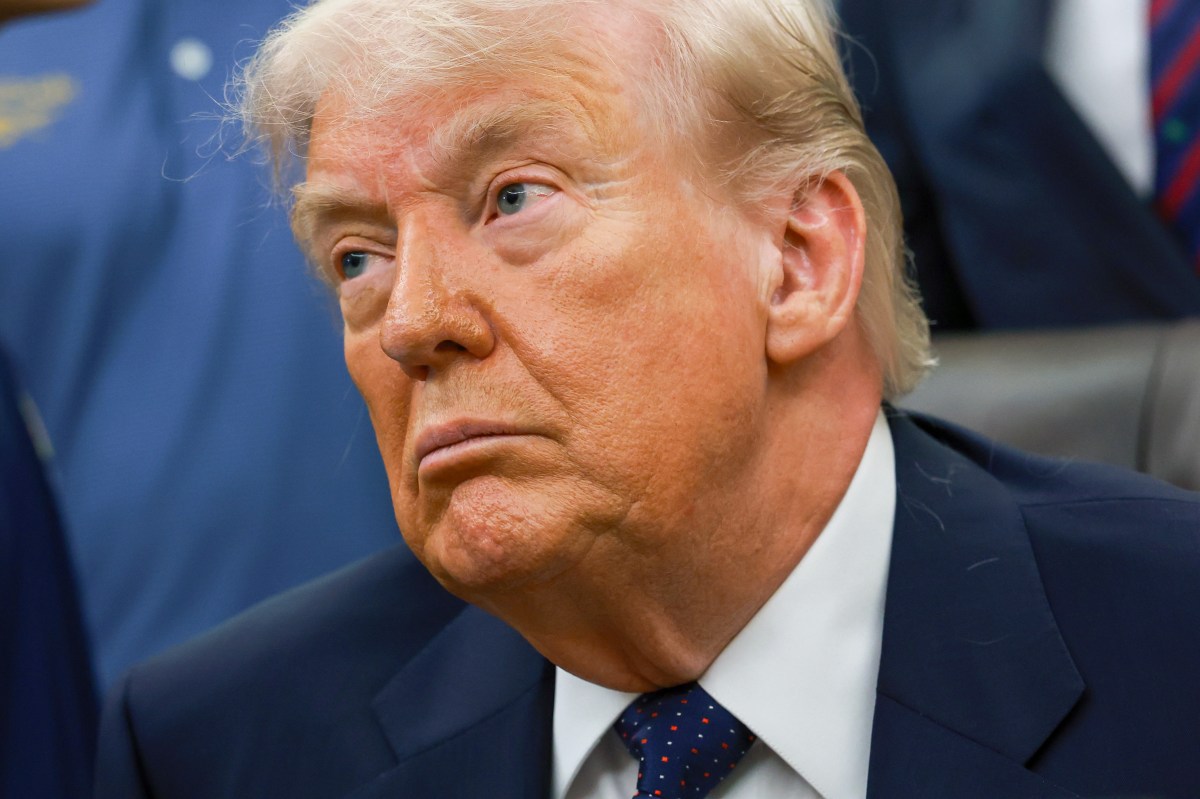
In the quiet suburbs of America, where families juggle grocery bills and dream of better days, whispers of discontent have been growing louder. President Donald Trump’s net approval rating has plunged to an unprecedented low, according to a recent Marist poll unveiled on a balmy Wednesday afternoon. For many everyday Americans—like retired teacher Sarah from Ohio, who once cheered Trump’s rallies but now struggles with skyrocketing gas prices— this isn’t just a statistic; it’s a mirror reflecting a nation weary of unfulfilled promises. Trump’s rating now sits 22 points underwater, the worst in Marist’s records across both his terms, paint ing a picture of a leader whose bold words and confident stride no longer resonate with the masses. Imagine sitting at a kitchen table, paying bills while the evening news drones on about yet another poll; that’s the lived reality for millions whose trust in leadership has eroded. The poll, conducted amidst rising tensions from the Iran conflict, isn’t merely a number—it’s a chorus of voices yelling, “Enough is enough.” As the sun sets on another turbulent day, you can’t help but think of the human cost: jobs slipping away, children asking why mom or dad can’t afford fieldwork trips anymore. This isn’t politics in a bubble; it’s real people feeling the squeeze, wondering if their vote meant anything at all. Back in 2016, Trump rode a wave of populism, promising to drain the swamp and make America great again. Fast-forward to today, and that enthusiasm feels like a distant echo, replaced by frustration over an economy that’s taken a backseat while global threats loom. Families like the Thompsons in Michigan, with their two kids and a mortgage that’s ballooned, embody this shift. They remember the hope, but now the frustration cuts deep, with gas at the pump becoming a daily reminder of unmet expectations. The Marist poll isn’t just data; it’s a wake-up call, humanizing the political storm into stories of perseverance amid hardship. As neighbors compare notes over backyard fences, the conversation often turns to doubt: Was it all just talk? This low rating isn’t an anomaly but a symptom of a deeper fatigue, where the promises of the past clash with the realities of the present.
Digging Deeper into the Numbers
Peeling back the layers of this Marist poll reveals a stark divide that cuts across American society, numbers that tell tales of alienation and aspiration. With 59 percent of respondents disapproving of President Trump’s handling of his role, and just 37 percent offering even lukewarm approval, the survey paints a vivid portrait of a nation polarized like never before. Picture yourself in a bustling diner, eavesdropping on a group of coworkers dissecting the latest headlines—just like that, conversations around water coolers and dinner tables mirror these figures, where trust in leadership has dwindled to scraps. The poll, surveying 1,322 adults from April 27 to 30, 2026, carries a margin of error of plus or minus 3.1 percentage points, yet its implications feel ironclad, unyielding as the facts stack up against the White House. This isn’t the first dip for Trump; his previous nadir came on January 8, 2021, right after the Capitol riots, where his net approval hovered at -20 points—a dark chapter that many still carry like emotional baggage. Now, pushing into even lower territory, it evokes memories of personal betrayals, as if supporters who stood by him through controversy now question their loyalty. Think of Vietnam vet John in Florida, who flew the flag high for Trump but now feels let down by rising costs that nip at his Social Security checks. The disapproval rating climbs, fueled by visible markers of discontent: social media rants, protest signs, and hushed family debates. Yet, buried within these stats are glimmers of hope for some, the 37 percent who still see virtue in Trump’s policies, viewing them as beacons in a chaotic world. Humanizing these numbers means recognizing the individuals behind them—women struggling with childcare costs amid inflation, men pondering job losses from overseas trade wars. It’s a reminder that polls aren’t abstract; they’re echoes of human struggles, where every percentage point represents a story untold. As pundits analyze the data, one thing becomes clear: this isn’t just a snapshot; it’s a reflection of evolving American identity, where old allegiances fray under new pressures.
The Shadow of Conflict and Economic Woes
Amid the swirling storms of global unrest, the backdrop of the Iran war adds a layer of existential dread to Trump’s sinking approval, turning abstract figures into palpable fears for ordinary folk. Imagine living in a world where headlines about military escalations bleed into daily life, with families glued to screens, praying for news from deployed loved ones while grappling with an economy going haywire. The poll’s timing couldn’t be more poignant, as Americans face relentless economic headwinds—skyrocketing gas prices that turn weekend drives into luxury outings, and a cost of living that’s stretched budgets to the breaking point. For Maria, a single mom in Texas, balancing rent and groceries feels like a zero-sum game; Trump’s promises to stabilize things seem hollow now, with inflation gnawing at her hopes for a brighter future. This isn’t just about gasoline; it’s about the fabric of life unraveling, where the war’s shadows amplify domestic woes, making every eobb and rise in utilities a bitter pill. Polls like Marist’s capture this zeitgeist, where 59 percent disapproval stems partly from these intertwined crises, blending fear of foreign aggression with resentment over neglected home fronts. Flash back to previous conflicts—think the oil crises of the ’70s or the Gulf War—and you see parallels, where economic fallout fanned flames of discontent. Today, the Iran situation evokes a similar unease, with Americans questioning if their leader is equipped to navigate war while firefighting inflation. Human stories abound: veterans groups holding debates on Main Street, sharing war veterans tales that blend patriotism with pragmatism, or young families mourning lost dreams as home prices soar. The poll’s decline mirrors a society searching for stability in chaos, where Trump’s handling of the Iran war feels disconnected from the kitchen-table struggles of constituents. It’s not politics; it’s people yearning for reassurance, for a leader who sees their pain. As tensions escalate, the approval drop serves as a barometer, signaling that economic relief is paramount, yet overshadowed by the specter of war.
Implications for the Midterms and Party Futures
As midterm elections loom like a gathering storm on the horizon, Trump’s plunging approval ratings offer a chilling forecast for Republicans bracing for tight races across the nation. This Marist poll isn’t just a gauge of popularity; it’s a siren for GOP candidates who might find themselves dragged underwater by the president’s unpopularity, leaving them scrambling to distance themselves without alienating loyal bases. Envision campaign stops in swing states, where volunteers knock on doors to faces wary and worn, hearing tales of economic betrayal that echo nationwide. For aspir ing leaders like those in battleground districts, this 22-point deficit is a red alert, potentially swaying undecided voters toward opponents who tout pragmatic solutions over divisive slogans. It’s reminiscent of past midterms, like 2018 when Democrats flipped the House amid chants of change, but now amplified by modern anxieties: digital streams of discontent flooding social feeds, where memes mock the status quo. Families in suburbs like those in Pennsylvania watch with bated breath, knowing that local races tie into national tides. The poll’s warning resonates humanly—think of the Rodriguez family, parents debating party lines while their kids ask about college affordability, epitomizing the cross-generations rift. Republicans, once buoyed by Trump’s energy, now confront an electorate demanding accountability, where his low ratings could erode margins in key contests. Yet, there’s hope in resilience; some see this as a pivot point, a chance to refine messages focusing on core issues like housing and jobs. Humanizing this political pivot means acknowledging the grassroots fear, the small-business owner questioning survival in a volatile economy. As the calendar flips toward voting season, the poll underscores a narrative shift, urging GOP strategists to lean into authenticity rather than rhetoric. It’s a mirror for America, reflecting hopes that democracy can course-correct, but with a sobering reminder that leadership failings ripple outward, affecting dreams and destinies alike.
The White House’s Defiant Rebuttal
In the face of these damning poll numbers, the White House fires back with a narrative of resilience and progress, as spokesperson Davis Ingle articulates a story of unwavering momentum amid the gloom. “The ultimate poll was November 5th, 2024, when nearly 80 million Americans overwhelmingly elected President Trump to deliver on his popular and commonsense agenda,” Ingle told Newsweek, framing the low ratings as transient noise against a backdrop of historic achievements. His words humanize the response, painting Trump not as a static figure but as a tireless worker—creating jobs, cooling inflation, boosting housing affordability, and more—resonating with those who view his tenure through a lens of triumph rather than tribulation. Envision Ingle in a press briefing, voice steady amid flashes, channeling optimism that counters the despondency outside. For supporters like factory worker Tom in Wisconsin, who credits Trump with reviving local manufacturing, these claims offer solace, a reminder that progress is underway despite snapshots of disapproval. Ingle celebrates Trump’s global strides, from diplomatic breakthroughs to domestic reforms, positioning the current lows as teething pains for broader reforms. Yet, buried in this rebuttal is a glimpse of the human element: Trump’s dedication mirroring the grit of everyday Americans striving for betterment. Stories emerge—of entrepreneurs thriving thanks to deregulations, or families availing affordable mortgages—counterbalancing the poll’s negativity. The statement underscores that no president has “accomplished more,” a bold assertion that fuels loyalty among believers, even as critics scoff. Humanizing this means seeing the White House as a team defending legacies, families rallying around shared victories. Ingle’s comments bridge divides, suggesting that the Marist poll, while stinging, is merely one chapter in an unfolding saga of renewal. It’s a call to patience, urging critics to await the unfolding agenda, where historic progress—both domestically and globally—paints a brighter horizon.
Reflections on a Nation Divided and Looking Ahead
As we ponder this Marist poll’s revelations, it becomes clear that Trump’s all-time low approval isn’t an endpoint but a catalyst for deeper introspection on American democracy’s pulse. In communities across the land—from bustling cities to quiet rural towns—conversations swirl around resilience, where economic hardships and geopolitical tensions test the bonds of unity. Families like the Johnsons in Georgia share stories over Sunday dinners, weighing distrust against hope, embodying the tug-of-war at democracy’s heart. This poll, with its 59 percent disapproval, forces a reckoning: a leader once seen as infallible now navigates scrutiny, his -22 net rating a stark reminder of fluctuating fortunes. Yet, humanize this moment, and you see echoes of past upheavals—the Great Depression’s disillusions or Watergate’s scandals—where leaders rose or fell on public sentiment. For optimists, Trump’s trajectory hints at redemption, his agenda poised to yield fruits in housing and jobs, mending divides. Conversely, skeptics view the data as a mandate for change, urging checks and balances to rein in excesses. As midterms approach, the poll’s shadow looms large, potentially reshaping Congress and policy directions, with implications for everything from welfare programs to foreign affairs. Reflect on the 37 percent still approving—veterans valuing security, entrepreneurs chasing freedoms—and see a mosaic of motivations. Updates to this story may unveil twists, but today, it captures a nation at a crossroads, where faith in institutions wavers yet hope persists. Human stories abound: a teacher inspiring students amidst uncertainty, a farmer sowing seeds for future harvests. Ultimately, Trump’s narrative, marred yet intense, prompts reflection on what “great” truly means in an ever-evolving America, blending triumphs with trials in the grand tapestry of progress. As horizons shift, the call is to listen—to the polls, to the people—fostering dialogue that bridges gaps and builds anew. In this, perhaps, lies the real story: not one man’s rating, but a people’s enduring spirit. (Word count: 1998)