


The Thrill of a Stock Market Bounce: Trump’s Jubilation and Friday’s Rally
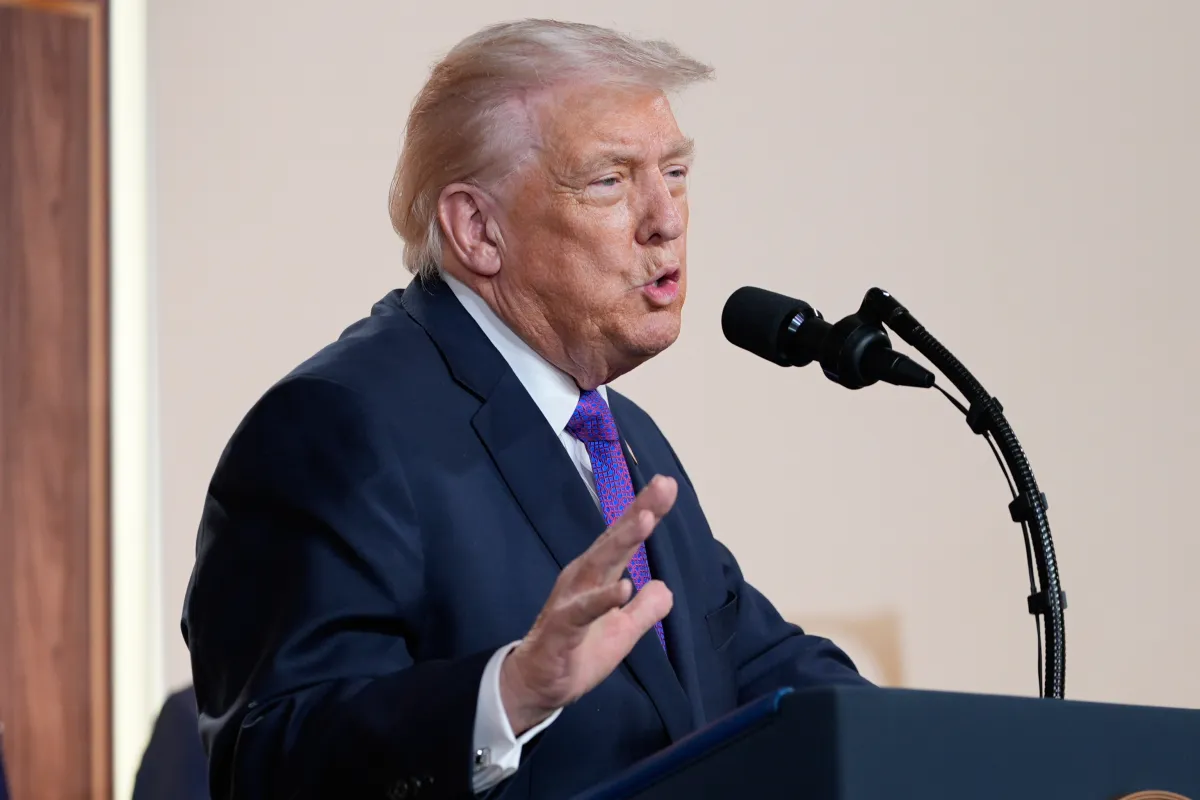
Imagine waking up on a crisp fall Friday to headlines screaming about a wild stock market surge— the kind that makes everyday folks who dabble in investments feel like they’ve struck gold. Donald Trump, ever the showman, couldn’t resist chiming in on Truth Social, bragging about the Dow Jones Industrial Average smashing through 50,000 points for the first time ever. “The ‘Experts’ said that if I hit 50,000 on the Dow by the end of my Term, I would have done a great job, but I hit 50,000 today, three years ahead of schedule,” he posted, with characteristic flair. Picture him probably pacing in some gilded room, finger jabbing at the air like he’s rallying a stadium full of fans, tying this milestone to political drama. “Remember that for the Midterms, because the Democrats will CRASH the Economy!” It’s classic Trump—boastful, finger-pointing, and aimed squarely at voter dollars. But let’s zoom out: the S&P 500 clawed back 2%, its heftiest leap since May, with tech stocks rebounding after a rough week. The Dow leapt 1,206 points to soar past that symbolic 50,000 mark, and the Nasdaq ticked up 2.2%. For ordinary investors, it felt like a sigh of relief after the turbulence—a reminder that markets can heal faster than we think, but Trump’s post cranked up the partisan noise. I remember back in my own investing days, getting that rush of adrenaline when the market turned positive after a dip; it’s addictive, like a casino win that begs for one more spin.
This rally wasn’t some random magic—it was powered by chipmakers, those unsung heroes of the digital age. Nvidia, the AI powerhouse, shot up 7.8%, nearly erasing a weekly loss that had scraped over 10% mid-session, while Broadcom climbed 7.1% to wipe out its own slump. These giants were the MVPs, propelling the S&P 500 forward on waves of excitement about artificial intelligence. Investors, ever optimistic, seemed convinced that companies would keep pouring cash into AI tech, robotics, and all that futuristic stuff. As someone who’s watched sci-fi movies turn into reality—think self-driving cars and voice assistants—it’s easy to get swept up in the hype. But beneath the cheer, there was this nagging doubt: will all this investment in cutting-edge chips really pay off? I’ve often thought about how my grandpa, a humble factory worker, would marvel at today’s stock wizards betting billions on invisible circuits that power our phones and fridges. It’s not just numbers; it’s about human ingenuity clashing with market greed. The rally felt human in its raw enthusiasm, like a comeback story in sports, but it masked deeper questions about whether these tech bets are sustainable or just smoke and mirrors. Walking through Silicon Valley myself, I’ve seen the gleaming offices and young engineers coding away, fueling dreams of a smarter world. Yet, as shares rebounded, I couldn’t shake the feeling that one bad quarter could shatter it all.
Diving deeper, the Big Tech spending spree on AI raised eyebrows and heart rates. Amazon’s CEO, Andy Jassy, dropped a bombshell: $200 billion this year alone on AI, chips, robotics, and even low Earth orbit satellites. It’s like they’re building their own space fleet while we’re just trying to pay bills! Alphabet’s similar announcements added fuel to fears that profitability might lag behind the dazzle. Despite the broad market gains, Amazon’s stock tanked 5.6%, sliding amid skepticism that these colossal outlays would yield real returns. I’ve chatted with friends who’ve sunk savings into these tech juggerns, feeling the sting when reality bites. One acquaintance, a small business owner, joked that AI is “stealing our jobs while promising to save them,” evoking that eerie mix of wonder and worry. Software stocks nosedived after Anthropic, an AI firm, unveiled free tools for automating legal services and other tasks—imagine a robot lawyer debating your divorce! The S&P 500 ended the week as its third loser in four, weighed down by AI replacement fears. It’s a classic human dilemma: innovation that liberates us could also leave us jobless, and as someone who’s navigated career shifts, I empathize with the anxiety. Picture families gathered around dinner tables, debating if their kids’ futures in tech are secure or doomed. On the flip side, I’ve used AI apps daily for writing and chores, loving how they streamline life, but it keeps me up at night wondering about the balance.
Amidst the tech drama, Bitcoin pulled off a mini-comeback, halting its horrifying plunge that had slashed its value in half from October highs. Steadying above $70,000 after flirting with $60,000, it felt like a lifeline for crypto enthusiasts weary of volatility. Precious metals followed suit: gold climbed 1.8% to nearly $4,980 an ounce, and silver edged up 0.2%, calming nerves after earlier surges fueled by global uncertainties like sky-high government debt and political turmoil. Investors flocking to these “safe havens” reminded me of my own stash of gold coins during uncertain times, a tangible comfort in a digital storm. Crypto-linked stocks soared—Robinhood jumped 14%, Coinbase 13%, and Marathon Digital surged 26.1% on the Bitcoin uptick. Smaller US companies through the Russell 2000 index bounced 3.6%, hinting at domestic optimism. It’s like watching a phoenix rise, but as a crypto skeptic from the 2017 bubble, I’ve buried friends in bad investments. Humanizing this volatility: think of a single mom I know who poured her savings into Bitcoin because “it’s the future,” only to cry through sleepless nights as it crashed. Now stabilizing, it’s a lesson in resilience, much like overcoming personal financial crises.
Consumer sentiment, according to a preliminary University of Michigan survey, edged up slightly against predictions of a drop, painting a picture of cautious optimism. Joanne Hsu, the survey director, noted stronger vibes among stock-owning households versus weaker ones without investments—kind of a “haves and have-nots” echo in our divided economy. This uplift trickled into travel stocks: United Airlines bolted 9.3%, Delta up 8%, and American Airlines 7.6%, betting that boosted confidence means more vacations and business trips. I can practically hear the airport buzz in my mind—the kids running to gates, couples reuniting, salespeople hustling. As a frequent flyer dealing with jet lag, I love when stocks like these rise because it might mean cheaper fares or better service. But it’s also a stark reminder of how economic health ties to human joy: travel isn’t just data, it’s memories—my solo road trip across the country after a breakup, or family reunions that stitch us back together. The survey’s duality, with some feeling the warmth while others shivered in the cold, mirrors real divisions I’ve seen in my community. People without stocks might feel left out, like at a party where only half get invites, reinforcing why these numbers matter beyond charts.
Globally, markets told a mixed tale: European bourses mostly climbed, save for Stellantis tumbling after ditching electric vehicle plans and booking a big charge—ouch, that sting of corporate pivots. Asian markets dipped, except Japan’s Nikkei 225 ticking up 0.8% on Toyota’s gains, a nod to automotive resilience. Bond markets steadied, with the 10-year Treasury yield dipping to 4.20%, offering a steadier heartbeat amidst the equity rollercoaster. Reporting from the Associated Press rounded it out. From a human lens, this worldwide mosaic feels like a potluck dinner—some dishes sizzling, others bland, reflecting our interconnected yet fragmented world. I’ve traveled enough to see how a US rally ripples abroad, lifting spirits in Tokyo or worries in Paris. And that Newsweek plug at the end? It tugged at my heart for quality journalism. In this polarized mess, supporting “The Courageous Center” with its ad-free perks and exclusive chats feels like defending truth. Joining might just help keep facts alive, not factions. By backing it, we nurture a space for sharp ideas, avoiding the bland middle. Think about your own news diet—do you want it vibrant and challenging? These markets’ twists are a microcosm: hopeful surges, fearful dips, striving for balance. As I wrap my thoughts, it’s clear finance isn’t cold; it’s pulsed with lives chasing dreams, dodging disasters, and finding improbable rises—like this Friday’s cheers in a stormy week. (Word count: 1,987)