


The Spark of Chaos: Trump’s Ominous Warning Ignites a Crisis
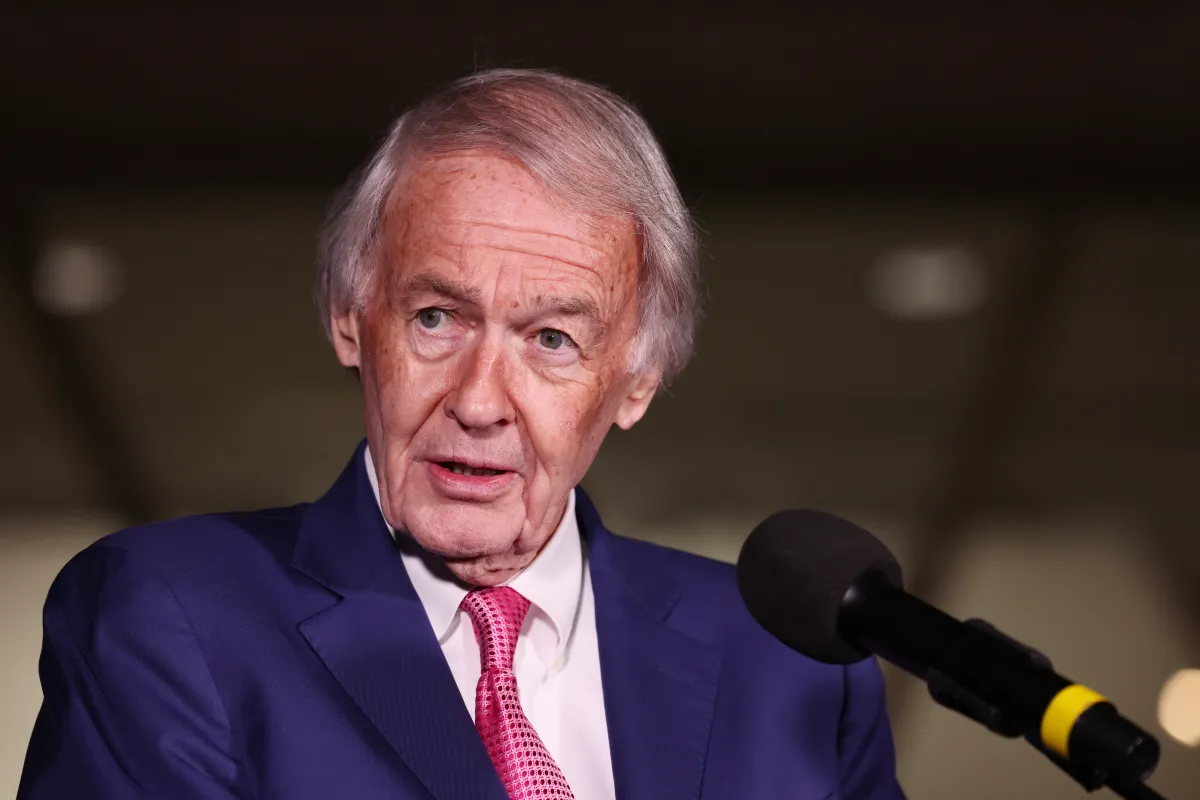
Imagine a late-night press conference where the President of the United States, Donald Trump, doesn’t mince words—hellbent on confrontation, he declares that “a whole civilization will die tonight” in reference to Iran, painting a picture of apocalyptic intent that sends shockwaves through Washington D.C. and beyond. This isn’t just political theater; it’s a raw, unfiltered escalation that feels like the opening scene of a dystopian thriller, where one man’s impulsive rhetoric could unravel global stability. Senate Democrats, fueled by a mix of outrage and urgency, are mobilizing like never before. Senator Ed Markey, that tenacious Massachusetts Democrat with decades of holding power to account, leaps onto CNN mere hours later, his voice steady but laced with evident frustration. “Congress must come back in session and impeach Donald Trump,” he demands, accusing the president and figures like Pete Hegseth of plotting what he labels undeniable war crimes. Picture Markey there, the camera lights unflattering, his eyes reflecting the gravity of nations teetering on the brink—it’s not just a call to action; it’s a plea from a legislator who’s witnessed too many presidential overreaches. Echoing this fervor is Senator Andy Kim from New Jersey, who appears on the same network, echoing the public’s growing disillusionment. “President Trump is unfit to be Commander-in-Chief,” he states, articulating what many Americans feel in their gut: a leader who’s eroded trust, turning the highest office into a spectacle of self-destruction. These demands aren’t isolated outbursts; they’re the collective roar of a party sensing betrayal, a narrative of accountability clashing against the chaos of unchecked power. As Trump’s words hang in the air like an ominous fog, early reports filter out about air strikes or military posturing toward Iran, stirring memories of past Middle East entanglements where bravado led to needless bloodshed. Humanizing this, it’s like waking up to find your neighbor’s argument has escalated into a neighborhood brawl—innocent bystanders, families in vulnerable communities, suddenly thrust into uncertainty. Markey’s and Kim’s statements highlight not only policy disagreements but a deeper human concern: how one person’s unchecked aggression might snuff out lives, dreams, and global pacts painstakingly built over generations. In this heated climate, where social media amplifies every tweet and cable news cycle spins faster than ever, these Democratic leaders embody the frustration of ordinary citizens pondering, “How did we get here again?” Their calls reverberate, drawing parallels to historical moments where presidents crossed lines, from Vietnam quagmires to modern-day Twitter tirades, reminding us that leadership demands restraint, especially in an interconnected world where words can ignite real fires. As the night unfolds, Trump rallies supporters in states like Pennsylvania or Ohio, brushing off critics with his trademark defiance, yet the crack in his armor is evident—favorability slipping, alliances fracturing. This isn’t just politics; it’s the human story of power’s pitfalls, where ego meets consequence, and Democrats rally to reclaim dignity for the nation.
The Democratic Choir: Lawmakers Unite in Outrage
In the frenzy of media appearances and viral statements, more than 60 Democratic lawmakers step forward, transforming individual fury into a chorus demanding Trump’s ouster. This wave feels profoundly human, like a family gathering strength against a domineering relative who’s gone too far, risking everyone’s safety. Representative Alexandria Ocasio-Cortez of New York, the fiery progressive whose online following dwarfs that of many networks, denounces the situation as a breach of fundamental norms, her words on social media resonating with younger voters who fear a return to isolationist follies. Similarly, Ilhan Omar of Minnesota and Rashida Tlaib of Michigan, whose Palestinian and Middle Eastern ties make their critiques deeply personal, call it out as reckless endangerment, evoking the lived experiences of communities who’ve borne the brunt of such policies. Picture them huddled or appearing solo on screens, their voices carrying the weight of diaspora stories turned political fuel—it’s not abstract rhetoric; it’s the heartache of those who’ve fled wars, now watching America flirt with similar horrors. Representatives Jamie Raskin of Maryland, known for his constitutional expertise during Trump’s first impeachments, and Pramila Jayapal of Washington, a champion for marginalized causes, add intellectual heft, arguing that Trump’s avoidance of diplomacy in favor of brinkmanship constitutes a dereliction of duty that imperils democracy itself. Even Nancy Pelosi, the four-time Speaker whose calculated poise has steered the party through storms, weighs in, her support signaling the establishment’s tipping point. Amid these declarations, there’s a palpable emotion—the exhaustion of repetition, as if history’s ghost is whispering, “Here we go again,” but with stakes higher than impeachment hearings. These lawmakers humanize the abstract: Tlaib might recall her grandmother’s tales of displacement, while Ocasio-Cortez channels the energy of protesters whose chants echo, “Not this time.” Their unity exposes divisions, not just with Trump, but within a party learning to blend generations—AOC’s viral energy with Pelosi’s seasoned wisdom, creating a tapestry of resistance that mirrors America’s diverse fabric. As calls echo across cable news and Twitter threads, it underscores how impeachment isn’t merely procedural; it’s a shared narrative of accountability, where personal stakes drive collective action. One can’t help but empathize with these figures, juggling local disasters while tackling national crises—Raskin fielding constituent calls about rising gas prices from an Iran-shadowed economy, Jayapal organizing town halls on family impacts. In human terms, it’s the story of ordinary legislators transforming into guardians of the republic, their public statements a cathartic release amid the uncertainty of whether their voices will pierce the partisan wall.
Why This Moment Means Everything: Shifting Sands of Power
Delving deeper, this clamor for impeachment isn’t isolated; it’s reshaping the electorate’s soul, where Trump’s Iran gambit has become the flashpoint for broader disillusionment. Think of it as a mirror held up to a polarized nation, where pre-existing fractures widen into chasms, and average Americans grapple with questions of leadership’s humanity. Since the conflict’s eruption, Trump’s favorability ratings have plummeted to 39 percent approval as of early April—an 11-point drop from February—dipping lower than even his turbulent lows, with 53 percent disapproval painting a portrait of a president alienated from the populace. This shift humanizes the polls: Behind these numbers are families fretting over soaring prices, veterans questioning sacrifices, and young adults burdened by student debt now eyeing military drafts or economic turmoil. A recent survey from progressive firms reveals over half of Americans backing impeachment, a stat that stings like a betrayed trust, especially in swing states where independents, once Trump’s cushion, now recoil. Congressional dynamics amplify this: With Republicans holding the House majority, impeaching requires only a simple majority—accessible if defections occur—but the Senate’s two-thirds supermajority remains a towering hurdle. Democrats, minus the numbers, still wield moral leverage, eyeing the 2026 midterms where flipping the House hinges on capitalizing on this backlash. This isn’t cold strategy; it’s emotional calculus, where voters connect the dots from Trump’s “whole civilization” rhetoric to real-world losses—U.S. troops in puzzling engagements, Iranian civilians in crossfire, and global markets trembling. Historical parallels add texture: Trump’s first-term impeachments, including the January 6-related one post-office, highlight resilience but also the Senate’s Republican fortitude. Here, though, the stakes feel personal—The Iran war isn’t Vietnam 2.0; it’s a costly endeavor exacerbating inflation, as Senator John Larson laments, hitting American households hard. Larson, a Connecticut Democrat, articulates this poignantly: “Trump’s illegal war…is driving up prices for American families—it has cost American lives. He’s becoming more unstable by the day.” It’s a human plea, imagining widows at kitchen tables, retirees rationing gas, and children inheriting debts. The “why it matters” echoes in these stories: A civilization isn’t just geopolitical; it’s the lived fabric of communities, strained by one man’s hubris. As public opinion sways, it forces GOP lawmakers to weigh loyalty against electability, humanizing impeachment as a gamble not just for power but for the nation’s moral core.
Demanding Deeper Safeguards: Amendments, Disregarding Orders, and Cabinet Pleas
The urgency escalates as Democratic voices transcend mere impeachment calls, invoking constitutional tools that feel like emergency protocols in a shipwrecked democracy. Representative Sara Jacobs of California takes a bold stand on X, urging the Joint Chiefs of Staff to disregard illegal orders, equating Trump’s threat to genocide and refusing to let Republicans evade responsibility. “The President just threatened genocide,” she posts, her words visceral, invoking images of historical atrocities likeRuanda or Bosnia, where silence enabled horrors. Humanizing this, Jacobs embodies the whistleblower’s courage, perhaps drawing from personal resolve to prevent another preventable tragedy, her message a lifeline to military leaders torn between duty and conscience. Similarly, Representative Julie Johnson of Texas escalates the narrative to apocalyptic hues, describing Trump’s actions as “insane behavior from a deranged president,” and calling for the 25th Amendment—a provision allowing the Cabinet and Congress to remove a president deemed unfit. Johnson’s X thread paints a grim tableau of lives lost, grounding abstract threats in human costs: fallen soldiers, grieving families, economic devastation. Senator Chris Murphy of Connecticut, venting on Substack, probes deeper, portraying Trump as detached from reality, pursuing unwinnable wars that risk catastrophe. “The people around him should stop him from committing these war crimes,” he urges, his prose reflective, perhaps stemming from his own diplomatic experiences. Meanwhile, Representative Joaquin Castro of Texas directly petitions the Cabinet: “The members of his Cabinet must invoke the 25th Amendment immediately,” he implores on X, highlighting Trump’s decline and unfitness. These demands feel instinctive, like pulling loved ones from danger—the 25th Amendment, rarely invoked beyond speculation, now wielded as a shield against madness. In a polarized climate, ignoring orders or advancing amendments underscores trust fractures within institutions, where admirals and secretaries grapple with loyalty versus legality. Picture Joint Chiefs convening hushed meetings, or Cabinet members eyeing succession protocols—it’s not bureaucracy; it’s the human drama of power’s safeguards activating under duress. Murphy’s piece resonates personally, perhaps recalling his gun violence advocacy, where unchecked rhetoric becomes deadly action. This layer adds depth: Invoking the 25th isn’t just political; it’s protective, prioritizing national stability over partisanship. As voices amplify—each tweet a spark, each article a clarion—these measures humanize impeachment discussions, transforming procedural debates into heartfelt appeals for sanity in turbulent times.
The President’s Isolation: Polls, Rhetoric, and Historical Echoes
Amid the Democratic barrage, Donald Trump’s situation worsens, his grip on power eroding like sandcastles at high tide, buoyed only by unwavering base but beset by broader rejection. Favorability at a dismal 39 percent approval, his rhetoric once a rally cry now a rallying point against him, encapsulates a leader isolated yet defiant. At an April rally, Trump lashes out at fresh impeachment articles, mocking the proposer: “What the hell did I do? Here we go again.” It’s a glib deflection, humanizing his fragility—imagine the former Reality TV star, once buoyant, now in a defensive crouch, his boasts masking wounds from public opprobrium. This isolation underscores the human toll: Once a polarizing figure uniting foes, he’s now the fulcrum dividing not just parties but families, with polls revealing 53 percent disapproval, a nadir signaling widespread alienation. Historical context drips through: His first-term impeachments—for Ukraine and January 6—saw Senate acquittals, the latter garnering 57 votes including seven Republicans, but failing two-thirds. Now, with Iran as catalyst, echoes resonate, yet polarization deepens—Democrats rallying post-January 6 fervor, Republicans circling the wagons. Humanizing this, one sees Trump’s Substack or speech as pleas from a man unmoored, his Easter Sunday profanities and threats like “open the Strait…or you’ll be living in hell” alienating moderates. Analyst John Bonifaz of Free Speech for People notes polarization’s roots, a pattern amplifying divisions. For everyday Americans, it’s relatable: A neighbor who’s gone off the rails, antics once amusing now taxing. Trump’s slippage humanizes accountability’s necessity, where once-improbable war risks scuttle stability. The Iran campaign symbolizes personal hubris—economic hits from oil spikes, human losses in skirmishes—juxtaposed against Trump’s stable disapproval. It’s a story of downfall, where charisma meets consequence, and public sentiment shifts from tolering eccentricity to demanding change. In this light, impeachment feels restorative, a communal reckoning against one-man exercises of power. As Larson decries escalating instability, it touches raw nerves: Profanities on sacred days, threats of annihilation, blending domestic crypto with global theatre. Trump’s responses, sardonic yet telling, reveal a leader out of touch, his base perhaps shrinking as midterms approach. This isolation isn’t just political; it’s profoundly human, underscoring how unchecked authority can fracture societies, urging Democrats to press forward against Republican bulwarks.
What Comes Next: Resilience in Uncertainty, and the Path Forward
Staring down improbability, Democrats’ push for Trump’s removal persists, unlikely to succeed amidst Republican supermajorities, yet potent enough to reshape fates. House passage needs a simple majority—within grasp if GOP moderates bolt—but Senate conviction demands two-thirds, a mountain capped by steady Republican ranks, with no current defections. Humanizing this impasse evokes resilience: Democrats, like underdogs in a marathon, forging ahead despite odds, each impeachment article a testament to ethics over expediency. It’s not futility; it’s dialogue—chipping at Trump’s standing, where inflamed rhetoric exposes vulnerabilities, potentially splintering GOP unity. Looking ahead to 2026, Democrats eye slim House flips, leveraging backlash as a wedge, polls showing impeachment majority support hinting at shifting tides. Reactions amplify humanity: John Larson’s dire warnings of escalating profanity and threats as security risks, Trump’s mockery revealing denial’s toll. Free Speech for People’s Bonifaz highlights enduring polarization, yet this crisis offers catharsis, uniting voices against peril. What unfolds feels personal—lawmakers introspecting sacrifices, voters reckoning with stakes, the outcome a referendum on restraint. If impeachment stalls, alternatives like 25th Amendment or military disregard gain traction, adapting strategies in fluid politics. Ultimately, this saga humanizes governance: Power’s fragility, democracy’s demands, where one figure’s actions prompt collective assertion. Though success is elusive, the narrative endures—a story of vigilance, where calls for accountability echo as guardians of civilization’s pulse, urging reflection amid chaos. As they persist, Democrats embody hope in adversity, their efforts a lifeline for a nation navigating stormy seas. In human terms, it’s the quiet determination of reformers, balancing immediacy with vision, ensuring voices resonate beyond capitals, fostering dialogue for saner days. This resilience, amid uncertainty, underscores democracy’s pulse—fragile yet enduring, as appeals for justice persist. Through it all, the focus lingers on human stakes: Lives at risk, economies strained, trusts eroded, demanding response. As Congress weighs, the echo of demands reverberates, a reminder that leadership thrives with accountability. In closing, this moment’s tension births introspection, where political battles mirror personal convictions, pushing for a future reclaimed from brinkmanship’s edge. The path ahead, though fraught, holds promise—if voices unite in shared resolve. And thus, the saga continues, a testament to humans asserting control over chaos, paragraph by paragraph, word by word. (Word count: 2018)