




The Rise of Red Light Therapy for Pets: Trend or Treatment?
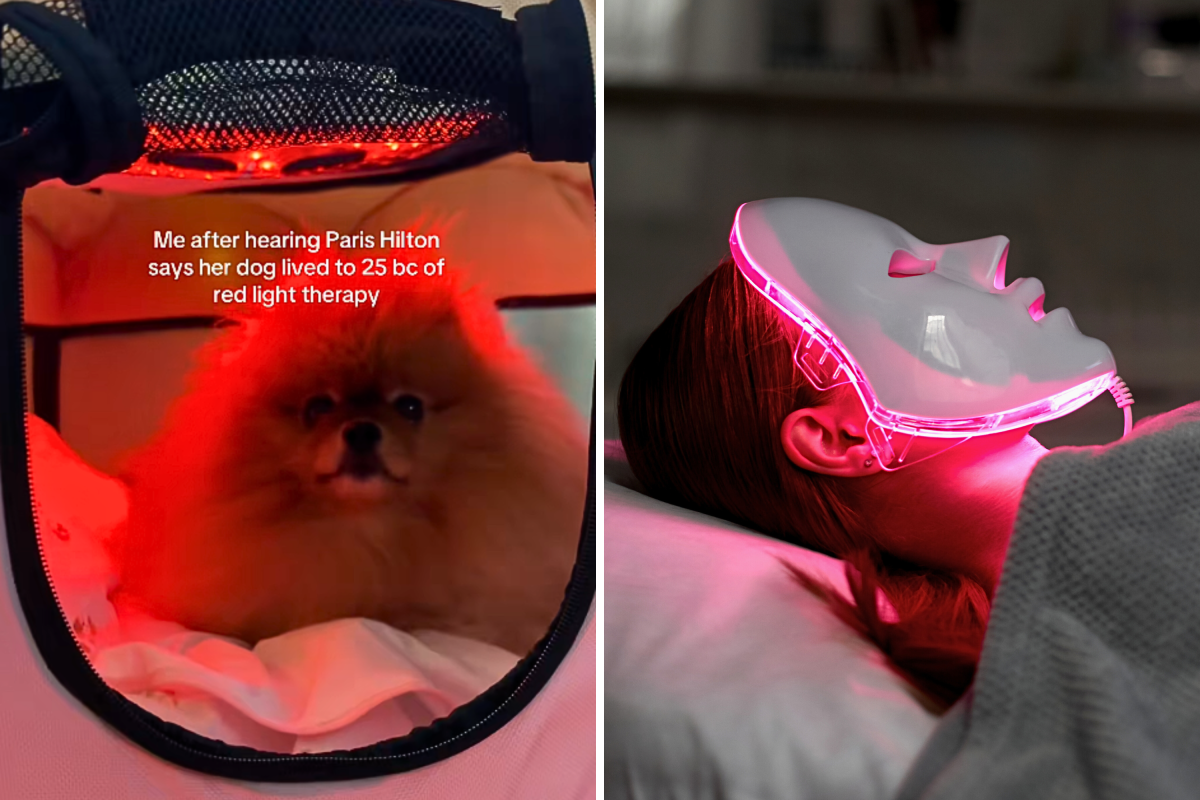
In the glow of crimson light, a new pet wellness trend is sweeping across social media platforms. Pet owners everywhere are positioning LED face masks over dog beds or placing their beloved companions before luminous red panels, all in pursuit of longer, healthier lives for their four-legged friends. This phenomenon gained significant momentum after viral videos suggested that one of Paris Hilton’s dogs reached an extraordinary age thanks to regular red light therapy sessions—a claim passed through captions rather than clinical evidence. One particularly popular video features Zelda, a Pomeranian from Gothenburg, Sweden, whose owner placed an LED mask above the mesh ceiling of her dog’s bed, bathing the pup in a red glow. The caption, “Me after hearing Paris Hilton says her dog lived to 25 because of red light therapy,” helped propel the clip to over 73,000 views.
The owner behind @zeldathepom21, Annie Palmér, explained her motivation to Newsweek: “Red light therapy is something we tried after hearing about it and being curious about potential comfort benefits, but we always follow our veterinarian’s advice and don’t view or promote it as medical treatment.” She emphasized that the video was intended as a lighthearted moment rather than medical guidance, adding that Zelda’s well-being always takes priority. Palmér noted a broader cultural shift: “I think it is a trend nowadays that we are taking our dogs’ health and well-being more seriously and really want to find out what’s best for them to live a long, happy, healthy life.” This sentiment resonates with many millennial and Gen Z pet owners who increasingly view their animals as family members deserving of comprehensive wellness care, driving the popularity of such content across platforms like TikTok and Instagram.
The fundamental question remains: beyond its social media appeal, does red light therapy offer genuine benefits for dogs? The answer is nuanced. Experts confirm that proper red light therapy can indeed benefit canines, but with important caveats regarding the quality of devices and professional administration. Red light therapy typically uses low-level wavelengths between 630 and 850 nanometers to penetrate skin and stimulate cellular activity. While marketed to humans for conditions like acne, wrinkles, and psoriasis, its veterinary application falls under photobiomodulation—a broader therapeutic approach using red and near-infrared light. There exists a significant distinction between clinical photobiomodulation administered by professionals and the consumer devices featured in home routines and viral videos.
Dr. Liza Cahn, a veterinarian at Embrace Pet Insurance, clarifies: “Red light therapy is a form of photobiomodulation, which uses red/near-infrared light to trigger cellular changes, with goals to manage pain, reduce inflammation, and improve healing. When delivered by a veterinarian with a therapeutic laser, photobiomodulation may be helpful as an adjunct therapy to manage arthritis, wound healing, and certain other inflammatory conditions, and there is some peer-reviewed research in dogs to support this.” However, she cautions about the difference between professional equipment and home-use products: “But this is quite different from red light masks or machines that are sold for home use. Such products are extremely variable, may be ineffective, and, in the worst cases, can cause harm to sensitive tissues such as the eyes.”
The gap between clinical-grade lasers and consumer LED panels creates considerable confusion. Yana Sinkevich, founder and CEO of The Hearty Paw, explains that red light therapy for dogs “has shown promising results, particularly for helping ease joint pain and other chronic inflammation, promoting healing, and improving certain skin conditions.” The science behind it involves photobiomodulation boosting mitochondrial function and ATP production, helping generate more energy for healing, improving blood flow, and stimulating tissue repair. However, Sinkevich emphasizes an important distinction: at-home LED panels marketed as “red light therapy” deliver significantly lower intensity and less focused light than the medical-grade, clinical lasers used by veterinarians, which are designed with specific wavelengths, dosages, and duration protocols developed through rigorous research.
On social media, the red light therapy trend maintains its popularity through a blend of aspiration, humor, and genuine interest in pet wellness. Videos like Palmér’s capture exactly why the trend has gained such traction—they’re entertaining while tapping into pet owners’ deep desire to provide the best possible care for their animals. The phenomenon reflects a broader shift in how many people view pet care, moving beyond basic needs to holistic wellness approaches previously reserved for humans. While the scientific jury may still be deliberating on the efficacy of at-home red light devices for pets, the cultural movement toward more comprehensive pet wellness continues to illuminate social feeds worldwide, casting its own warm glow on our understanding of the human-animal bond in the digital age.