





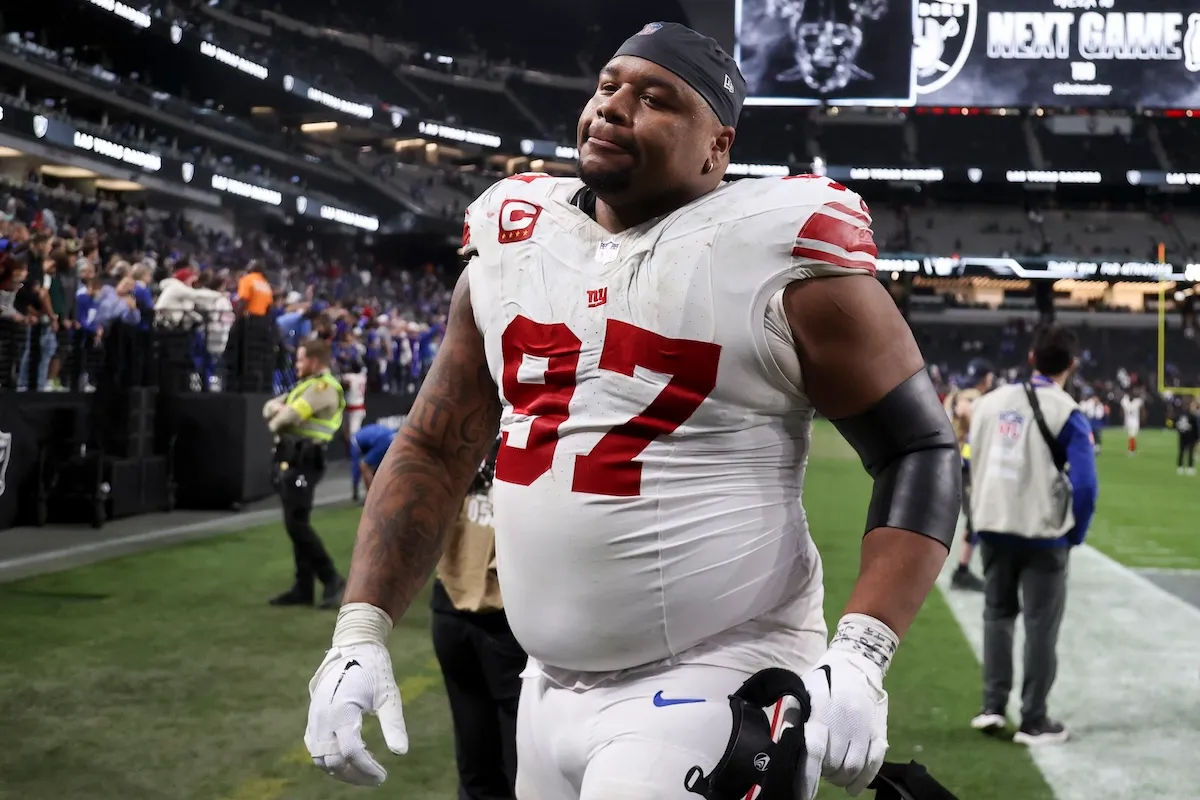
The saga of Dexter Lawrence II, the New York Giants’ formidable nose tackle, has taken a dramatic turn that feels like a personal heartbreak verging on betrayal. As a towering figure on the field, Lawrence has epitomized perseverance and skill, pouring his soul into a franchise that drafts him as a beacon of hope. Yet, behind the scenes, bitterness simmers; sources indicate that contract negotiations with the Giants have “broken off,” leaving Lawrence adrift without the security or compensation he believes matches his relentless grind. Imagine waking up each day, surrounded by teammates who ride the wave of past victories, but knowing your own sacrifices aren’t reflected in your paycheck. Just yesterday, Giants general manager Joe Schoen tried to paint a rosy picture during a pre-NFL Draft press conference, claiming “productive conversations” and a genuine desire to keep him for the season. But now, reports reveal a stark truth: the situation is “dire,” with Lawrence’s future hanging by a thread, feeling more like a discarded asset than a valued warrior. This isn’t just business—it’s a reflection of how the game of football can chew up even its most dedicated players, echoing the loneliness of countless athletes who give everything only to face indifference from the organizations they’re loyal to. Lawrence’s story isn’t unique in the NFL, where careers are fleeting and contracts can feel like chains rather than lifelines, but his case highlights the harsh reality of player-market dynamics, where talent alone doesn’t guarantee respect.
Digging deeper into Lawrence’s world, his journey from a Clemson standout to an NFL stalwart reveals a man grappling with profound self-worth against the backdrop of league inequities. As a 2019 first-round pick, he dreamed of anchoring a dynasty, blocking for quarterbacks and crushing offensive lines with an intensity that redefined his role. On the field, he’s a force—a three-time Pro Bowl selection and two-time second-team All-Pro, whose very presence alters games. In 2024 alone, he notched a career-high nine sacks, each one a testament to hours of grueling training, dietary sacrifices, and mental fortitude in the face of linebackers twice his size. Yet, off the field, Lawrence’s heart aches; he ranks just 11th in pay among nose tackles, despite outperforming peers who signed fatter deals. Picture scrolling through social media, seeing World-Champion teammates like the Eagles’ Saquon Barkley or Seahawks’ Leonard Williams hoisting Lombardi trophies, triumphs that eluded him with the Giants. That longing for shared glory, for the camaraderie of a winning locker room, fuels his discontent. He’s spent years negotiating, hoping for renegotiation that reflects the skyrocketing value of interior defensive linemen in today’s pass-heavy NFL. But the sting of being undervalued cuts deep, making every snap feel like a personal plea for validation that goes unanswered. In the quiet moments, away from the stadium lights, Lawrence must confront the human cost of football’s glory—the fear that his prime is slipping away without the respect it deserves, a narrative as old as the game itself.
Reflecting on his contract path adds layers to this tale of ambition and frustration. Signed as a cornerstone in May 2023 on an extension meant to secure his place in Giants’ lore, Lawrence envisioned a long, prosperous run under the storied franchise. At the time, it seemed like a fairy tale: early career accolades piling up, defenses bending to his will, and the promise of stability with two years still looming on the deal. Negotiations, however, have been a two-year tug-of-war, marked by whispered meetings and unmet expectations. From his perspective, initial optimism—fueled by coached assurances and locker-room pep talks—gave way to disillusionment as No. 2 overall pick became entangled in team politics. He’s seen the tides of NFL economics shift, with players like him commanding more leverage, but the Giants’ offers fell short, emphasizing prudence over passion. This isn’t merely a salary dispute; it’s a reckoning with how organizations prioritize cap space over human potential. Lawrence, now wrestling with the emotional weight of stalled talks, feels like a pawn in a larger chess game, where loyalty clashes with self-advocacy. Former teammates’ paths remind him of what could be—a championship ring, boozy celebrations, the warmth of vindication. As he navigates this limbo, one senses the internal conflict: a young father, perhaps, dreaming of providing for his family beyond the gridiron, yet tethered to a team that seems to undervalue his contributions. The saga underscores football’s duality—exalted heroes on Sundays, vulnerable men on Mondays, all chasing the elusive balance of pride and prosperity.
In an explosive turn earlier this month, Lawrence publicly demanded a trade, a declaration that ripped open the facade and humanized the turmoil into raw vulnerability. Tired of earning less than comparable linemen, he aired grievances that resonated with fans and analysts alike, framing his plea as a quest for justice in an unequal sport. With two years left on his contract, the pressure mounted; each day without resolution amplified the sense of entrapment. He spoke of wanting to play for a team that appreciates his versatility—sniffing out runs, batting passes—much like Clemson’s coach praised him for. But beneath the bravado lies a poignant truth: Lawrence longs for redemption, for the Super Bowl euphoria that slipped through his fingers. Witnessing Barkley’s Eagles victory and Williams’ Seahawks triumph must sting like a fresh injury, reminding him of missed opportunities and fractured brotherhood. This public stance wasn’t impulsive; it stemmed from years of internal monologue, weighing allegiance against ambition. In interviews or sideline chats, imagine him reflecting on his Clemson’s journey—transforming from a Southern kid with big dreams to a league pillar—now questioning if the Giants reciprocate his dedication. The act of going public humanizes him beyond stats, portraying a man unafraid to voice unspoken truths in a league where silence often equates to consent. It’s a bold step, one that risks alienating his current squad while opening doors to greener pastures, a gambit emblematic of athlete agency in an era of free agency and fair play debates.
Fresh insights from the NY Daily News’ Pat Leonard paint an even bleaker canvas, confirming the “dire” state and unveiling a flurry of external intrigue. Sources close to Lawrence whisper of “significant” buzz from rival teams eager to acquire his talents, turning his trade request into a bona fide market event. The Giants, potentially eyeing strategic advantages, might leverage him for draft assets ahead of next week’s NFL Draft—a calculated move echoed by previous roster shuffles. Yet, the human toll reverberates; Lawrence, at 25, contemplates uprooting his life, leaving a city and fanbase that revered him, for a shot at championships elsewhere. Friends and family likely offer counsel, balancing the allure of contention with the ache of departure. Reports suggest counterparties view him as a steal, given his Pro Bowl pedigree and defensive prowess. As negotiations fracture, one pictures Lawrence isolated in training sessions, powering through reps with a mind racing toward possibilities—a return to relevance, perhaps, under a coach who sees his full potential. This external interest isn’t just transactional; it’s a lifeline, a chance to rewrite his narrative away from Giants’ stagnation. The league’s draft looms, destined to reshape franchises, and Lawrence’s fate hangs in the balance, a reminder of how quickly conditions can shift in football’s ruthless ecosystem.
Looking ahead, the prospects for Lawrence evoke a mix of hope and heartache, with implications rippling through the season under new head coach John Harbaugh. Schoen and the brass might scramble to retain him, but prevailing narratives suggest a trade could crystallize, perhaps yielding valuable picks to bolster a rebuilding squad. From Lawrence’s vantage, this crossroads promises liberation—to a team where his efforts translate to trophies, echoing his ex-teammates’ journeys. Yet, optimism clashes with pragmatism; contractual frustrations, coupled with global observations like the Cowboys’ rumored interest in draft prospects, highlight broader market fluidity. As a family man balancing NFL rigors, he likely ponders not just sacks and stats, but legacy—wanting his story to inspire, proving talent transcends bureaucratic hurdles. The draft’s approaching glow offers setup for drama, potentially sealing his move before Harbaugh’s inaugural season. Ultimately, Lawrence’s odyssey resonates as a testament to enduring spirit in football’s cycle of highs and lows, where one man’s quest for deserving accolades could redefine his chapter, inspiring fans to root for resolutions that honor the human beneath the helmet. For ongoing Giants and NFL tidbits, fans can dive into Newsweek Sports for deeper dives into this and other player-powered sagas. (Word count: 2012)