

Rare Arabian Caracal Sighting Brings Hope for Endangered Species
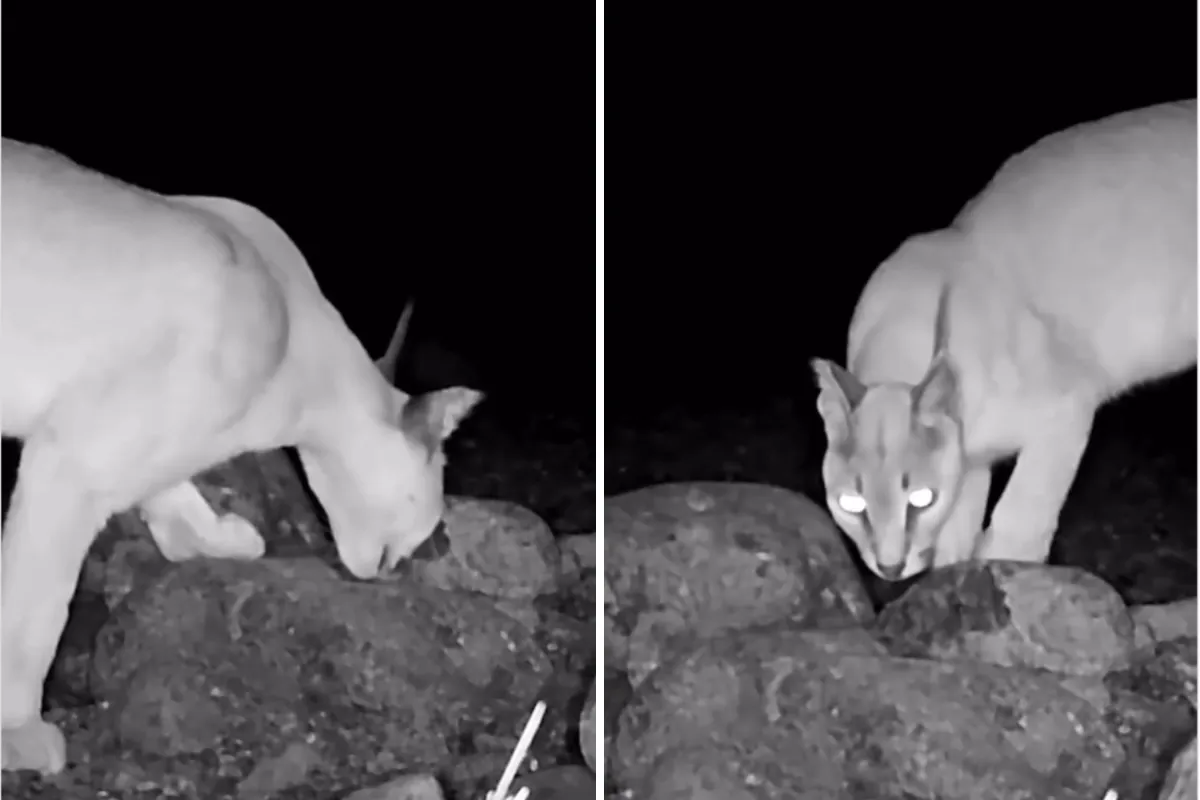
A magical moment has been captured in the rugged wilderness of the United Arab Emirates—one that has wildlife enthusiasts and conservationists buzzing with excitement. Deep within Wadi Wurayah National Park, a motion-sensor trail camera recently recorded footage of one of the region’s most elusive creatures: the Arabian caracal. This critically endangered wildcat, instantly recognizable by its distinctive black ear tufts and powerful build, was spotted traversing the rocky terrain of what is the UAE’s first mountain-protected area. The sighting, shared by Emirates Nature-World Wildlife Fund (WWF) in an Instagram video posted on October 7, represents a beacon of hope for a species on the brink of extinction.
The significance of this sighting cannot be overstated. With fewer than 250 mature Arabian caracals believed to remain in the wild, each documented appearance becomes a precious piece of data in the larger conservation puzzle. These magnificent predators, native to the mountains and deserts of the UAE, play a vital role in maintaining the delicate balance of mountain ecosystems by regulating prey populations. Yet, they have become increasingly rare over the decades, with only a handful of sightings recorded in recent years—the last being near Wadi Shees in March 2023 and before that in Jebel Hafeet in 2019. As highly territorial and primarily nocturnal animals, they’ve become phantoms of their natural habitat, seldom seen by human eyes.
This discovery stands as a testament to the power of collaborative conservation efforts. A representative from Emirates Nature-WWF emphasized that the sighting wouldn’t have been possible without their dedicated partners. The Fujairah Environment Authority, which manages Wadi Wurayah National Park, has worked tirelessly to protect this pristine mountain habitat. Additionally, Mashreq has provided crucial support for the biodiversity-mapping initiative that led to this remarkable discovery. Such partnerships highlight how conservation succeeds when various sectors of society—government agencies, private organizations, and scientific teams—unite with a common purpose: preserving the natural heritage that belongs to all of us.
The footage not only provides emotional inspiration for wildlife lovers but also delivers critical scientific data that will help shape future conservation strategies. By studying the caracal’s movements, behavior, and habitat preferences, researchers can better understand the needs of these cats and the challenges they face. This information becomes the foundation for evidence-based conservation plans aimed at protecting not just the caracal but the entire ecosystem it inhabits. The Emirates Nature-WWF team is already looking ahead, planning to launch a short documentary about their camera trap initiatives across the UAE. This documentary will serve the dual purpose of educating the public about conservation methodologies while encouraging citizen participation in scientific efforts.
The public response to this rare sighting has been overwhelmingly positive, reflecting a growing global concern for endangered species. The Instagram video garnered more than 32,300 views, 1,300 likes, and 126 comments within days of posting, with viewers expressing awe at the magnificent creature and support for conservation efforts. Comments ranged from admiration of the caracal’s beauty—”What a GORGEOUS cat, I love the big wild cats! They’re so GORGEOUS & majestic!”—to expressions of hope for the species’ future—”Good news. I hope they can survive forever with the government’s help.” This outpouring of support demonstrates how wildlife conservation can unite people across different backgrounds in appreciation of natural wonders and concern for their preservation.
As we witness the Arabian caracal’s brief moment on camera, we’re reminded of what’s truly at stake in conservation efforts worldwide. This isn’t merely about saving a single species, however magnificent; it’s about preserving the complex web of life that sustains our planet. The caracal serves as both a literal apex predator in its ecosystem and a symbolic flagship species whose protection benefits countless other plants and animals sharing its habitat. Through citizen science initiatives, continued monitoring, public education, and collaborative conservation strategies, there’s genuine hope that the Arabian caracal can recover from the brink of extinction. Each sighting, like this one captured on a humble trail camera, strengthens our resolve to ensure that future generations will share our world with these extraordinary wildcats, not just in photographs and videos, but in thriving natural habitats across the Emirates.