


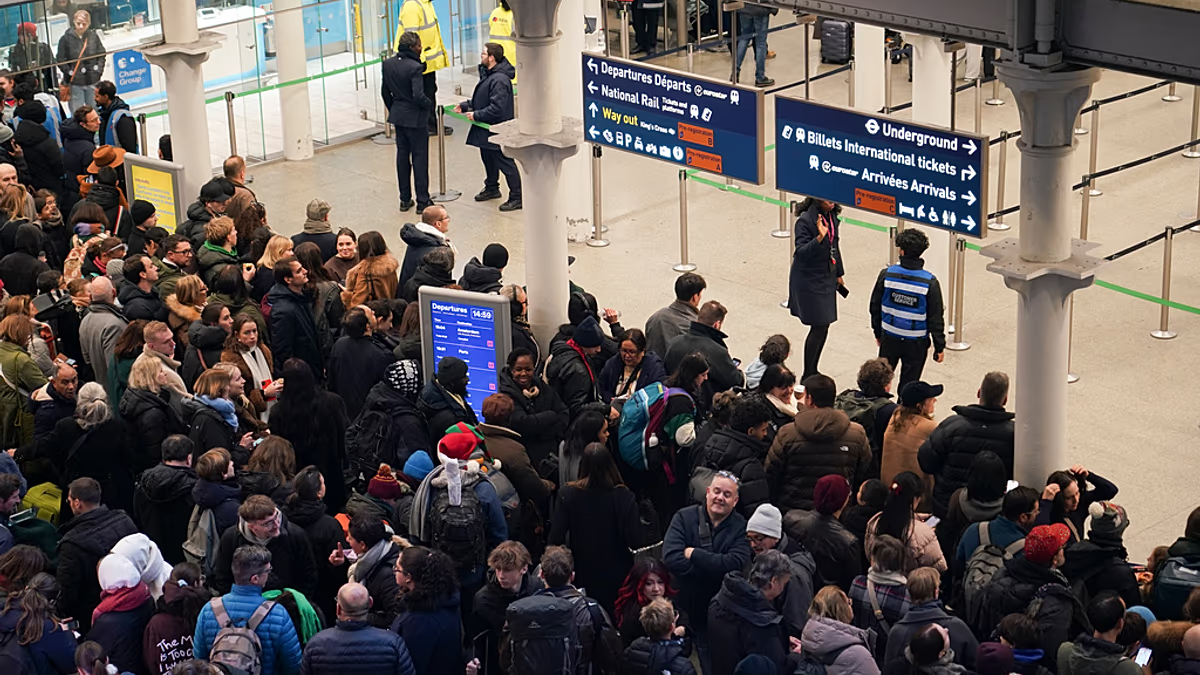
Eurostar Suspends Services: Travel Chaos and Passenger Rights Explained
Travel across the English Channel ground to a halt yesterday as Eurostar announced a complete suspension of its services, leaving thousands of passengers stranded and holiday plans in disarray. The international rail operator was forced to cancel all trains on Tuesday, December 30th, following significant issues with the Channel Tunnel’s infrastructure. The double blow of an overhead power supply problem coupled with a failed Le Shuttle train left Eurostar with no option but to halt operations “until further notice,” creating ripple effects across both the UK and France’s transportation networks.
The timing couldn’t be worse for travelers, many of whom were returning from holiday celebrations or preparing for New Year festivities. Eurostar’s customer communication has been straightforward but offered little comfort to those affected, simply advising passengers not to come to stations and to monitor their website and mobile app for updates. This sudden suspension highlights the vulnerability of cross-Channel infrastructure and the limited alternatives available when such critical transport links fail. For many travelers, the announcement transformed what should have been a routine journey into a stressful scramble to find alternative routes home or emergency accommodation in unfamiliar cities.
Passengers whose trains have been cancelled do have several options, according to Rory Boland, Editor of Which? Travel. They can exchange their booking for a different date, claim an e-voucher valid for 12 months, or request a full cash refund. While the e-voucher option provides flexibility for future travel, many stranded passengers are understandably more concerned with immediate solutions. Cash refunds will be processed within 28 days, which offers little immediate relief to travelers who may be facing unexpected accommodation and food costs. The compensation structure follows clear guidelines: those facing delays between 60-119 minutes are entitled to 30 percent of their fare as an e-voucher or 25 percent in cash, with compensation increasing for longer delays up to a maximum of 75 percent as an e-voucher for delays exceeding three hours.
Beyond basic compensation, Eurostar has committed to considering reimbursement for reasonable expenses directly resulting from the disruption. This includes overnight accommodation, food, transport between stations and hotels, and even the cost of calling people waiting at your destination. However, passengers should note important limitations to this policy. Eurostar will not cover alternative transport costs if they’ve informed you of your options within 100 minutes of your scheduled departure and you chose not to wait for the next available Eurostar service. This caveat becomes particularly problematic during a complete service suspension, where no “next available train” exists, leaving passengers in a difficult position regarding their rights to claim for alternative transport methods.
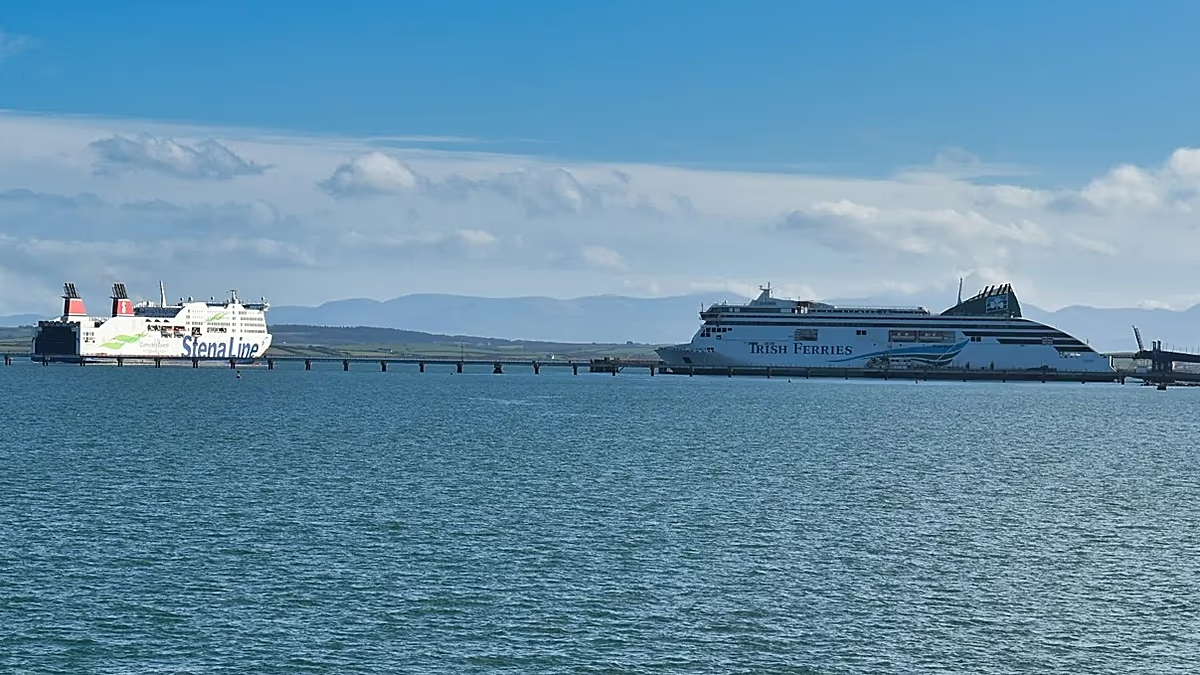
For travelers desperate to continue their journey, alternatives such as ferry services do exist, but Boland cautions that passengers should contact Eurostar before making independent arrangements. Without prior approval, travelers risk bearing these costs themselves with no guarantee of reimbursement. This advice places passengers in a challenging position: wait indefinitely for service resumption with uncertain accommodation arrangements, or take matters into their own hands and potentially forfeit compensation. The situation highlights a gap in passenger protection regulations when facing major infrastructure failures rather than standard delays or cancellations, where responsibilities and rights become less clearly defined.
This disruption serves as a stark reminder of how dependent cross-Channel travelers have become on the tunnel infrastructure since its opening in 1994. Prior to the Channel Tunnel, ferries were the primary connection between Britain and continental Europe, but many routes have reduced service or disappeared entirely as Eurostar and Le Shuttle became the preferred option for millions. For affected passengers, the three-month window to claim compensation provides some breathing room to organize their documentation after the immediate crisis has passed. However, the incident raises broader questions about resilience in critical transport infrastructure and whether adequate contingency plans exist for situations where the tunnel becomes temporarily unusable. As climate change potentially increases the frequency of extreme weather events and aging infrastructure faces greater stress, these questions will only become more pressing for both operators and transport authorities responsible for keeping Europe connected.