



The Growing Trend of Neighbor-Free Seating Options Among Airlines
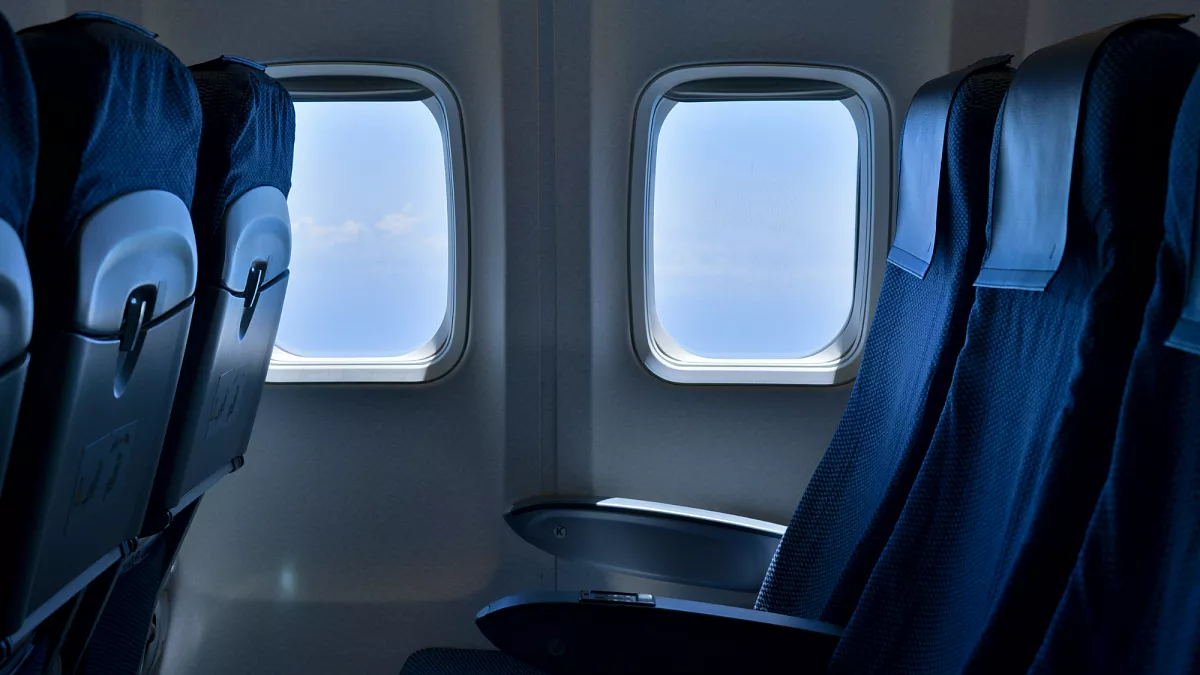
In today’s competitive airline industry, a new luxury is emerging that doesn’t involve champagne or lie-flat beds – it’s simply the joy of having an empty seat beside you. As travelers increasingly value personal space, airlines are responding by offering various “neighbor-free” seating options, allowing passengers to ensure the middle seat remains vacant – for a price, of course. This trend, once limited to legacy carriers, is now spreading to budget airlines as they search for additional revenue streams while enhancing passenger comfort.
Hungarian low-cost carrier Wizz Air has recently introduced “Wizz Class,” joining the growing number of airlines offering premium passengers the ability to block adjacent seats. Under this scheme, passengers can reserve either an aisle or window seat and block the middle seat beside them, creating a more spacious and comfortable journey. The service comes bundled with other perks including extra legroom, priority boarding privileges, allowance for two cabin bags instead of the standard one, plus complimentary snacks and non-alcoholic beverages. Currently, this upgrade is available on select routes connecting major European hubs including Budapest, Bucharest, London, Rome, and Warsaw, with passengers able to select the option during the initial booking process rather than as a last-minute add-on.
Across Europe, other carriers have implemented similar but slightly different approaches to the neighbor-free concept. Air France offers an “Empty Seat – My Extra Space” option, which goes beyond just one seat by allowing passengers to privatize up to three adjacent seats, essentially creating a mini-private cabin within economy class. This option becomes available during check-in, with pricing that varies depending on destination and the number of seats reserved. Meanwhile, Lufthansa provides both a “Free Neighbour Seat” scheme for continental and intercontinental routes (bookable through their service center) and a “Sleepers Row” option that transforms a row of three or four economy seats into a makeshift bed on long-haul flights. The Sleepers Row even includes a thin mattress, quality blanket, and pillow typically reserved for business class, making it a popular choice for overnight flights. This premium option costs between €159 and €229 per leg and can only be reserved at check-in or shortly before departure, depending on availability.
Taking a different approach to empty seat allocation, Virgin Australia introduced an innovative bidding system for “neighbor-free seating” in 2025. Rather than allowing passengers to purchase adjacent empty seats outright, the airline invites economy passengers to bid for the privilege after booking their ticket. This auction-style system begins with minimum bids of AU$30 (approximately €17) submitted through the Virgin Australia app, with successful bidders notified no later than two hours before departure. This creates an interesting dynamic where passengers can potentially secure extra space at a lower cost than fixed-price systems, though it comes with the uncertainty of not knowing whether your bid will be successful. The system includes several limitations: bids are limited to bookings with a maximum of two passengers, only one empty seat can be bid upon, and the extra space doesn’t include additional baggage allowance. Currently available on selected domestic routes like Melbourne to Adelaide and Sydney to Perth, Virgin Australia plans to expand the program based on its initial success.
The growth of these neighbor-free seating options reflects a fundamental shift in passenger priorities following global events that heightened awareness of personal space. A 2023 consumer survey conducted by Virgin Australia revealed that 42 percent of customers would consider paying extra to keep the middle seat empty on international flights, while more than a third would do so for domestic flights lasting over three hours. This presents a win-win situation for airlines and passengers alike: travelers willing to pay a premium can enjoy a more comfortable journey with additional personal space, while airlines generate incremental revenue from seats that might otherwise remain empty. The beauty of these programs lies in their flexibility – they can be adjusted based on flight load factors, ensuring airlines don’t sacrifice potential ticket sales when flights are in high demand.
As air travel continues to evolve, the concept of neighbor-free seating represents a creative middle ground between traditional economy and premium cabins. Rather than requiring the substantial investment needed for a business class ticket, these options allow passengers to enhance their comfort incrementally, paying only for the specific elements that matter most to them. The expansion of such services from legacy carriers to budget airlines like Wizz Air signals that this trend has staying power in the industry. Whether through outright purchases, auction systems, or last-minute upgrades, the ability to secure extra space has become a valuable commodity in air travel. As airlines continue to experiment with different pricing models and implementation strategies, passengers can expect increasingly personalized options that allow them to tailor their flying experience to their individual comfort preferences and budget constraints.