

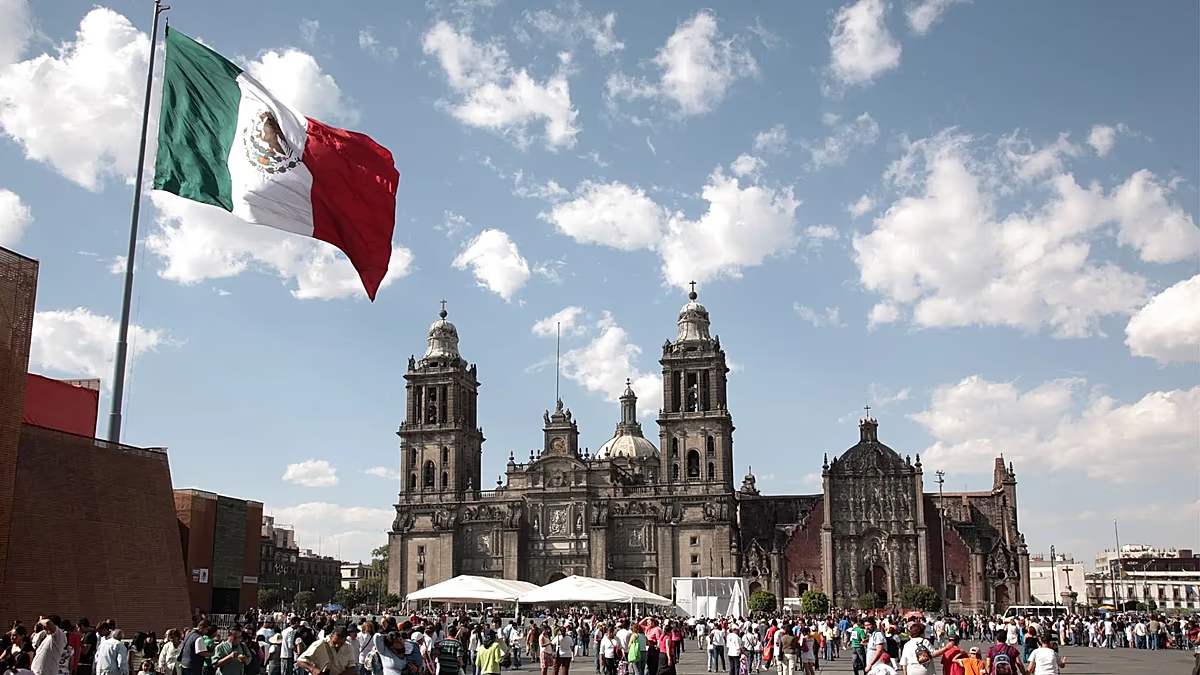
Imagine kicking off your workday from a sun-drenched café in Mexico City, sipping on a latte while the pulse of the city hums around you. Then, after wrapping up some emails, you wander over to Guadalupe Basilica, only to later catch a local soccer match that feels like a neighborhood party. This isn’t just a fantasy—it’s the reality unfolding for an increasing number of people thanks to the 2026 FIFA World Cup. While Mexico is hosting just 13 out of the 104 games, places like Mexico City, Guadalajara, and Monterrey are buzzing with life in ways that go far beyond the usual tourist rush. Digital nomads—those globetrotting remote workers—are flocking in not for quick snapshots and autographs, but for extended stays that blend work, culture, and the thrill of football. It’s like the World Cup is throwing the biggest backyard BBQ ever, and everyone’s invited… or at least, those with laptops and a sense of adventure.
What sets these nomads apart from your typical weekend warriors? Picture the average tourist: they jet in for a match or two, snap a selfie at the stadium, maybe grab some tacos, and head out just as fast. Digital nomads, though, are different. They’re the ones arriving weeks or even months early, unpacking their bags like they’re moving in for a semester abroad. Their goal? To live the experience. Think of it as turning vacation into a lifestyle tweak—you log in for Zoom calls in the mornings, then spend afternoons exploring markets or hiking in the nearby hills. By the time the matches kick off, they’re not just spectators; they’re part of the scene, chatting with locals at bars or joining impromptu game-watching parties. It’s intimate, it’s immersive, and it’s driven by the global shift toward flexible work. Studies show over 60% of professionals dream of this kind of nomadic gig, and the World Cup is like a turbo boost, making Mexico the perfect playground for it all.
At the heart of this transformation is how everyday folks are weaving their routines into something extraordinary. Adriana Vega, Querétaro’s Tourism Secretary, puts it beautifully: the World Cup has slapped Mexico on the global map, swinging open doors to Europeans who were once content with their own backyards. She’s seeing a 16% spike in Spanish visitors just in the first quarter, and that’s no accident. Direct flights from Madrid are ramping up, weaving a tapestry of connections that let travelers hop between culture, sport, and even coastal vibes. It’s like creating personalized road trips across states—imagine blending a vineyard tour in Querétaro with beach time in nearby spots, all tied together with a dash of football fever. For anyone who’s ever dreamed of ditching the cubicle for a while, this feels empowering, like the world’s giving you permission to live a little differently.
From an economic angle, the ripple effects are nothing short of exciting. The big three cities—Mexico City, Guadalajara, and Monterrey—are seeing a surge in demand for things like short-term apartments on Airbnb or cozy coworking spots where you can hunker down with your MacBook. Unlike the crush of crowds that flood souvenir shops and mega-resorts, these nomads spread their spending around. They use local buses to get around, pop into family-run restaurants for authentic eats, and join professional meetups that strengthen communities. It’s the kind of tourism that feeds back into the economy in a distributed way, boosting everything from bike rentals to artisanal coffee roasters. You end up with a more sustainable buzz, where the money sticks around longer and benefits the everyday people who make the city tick.
Among all the visitors, Spaniards are stealing the spotlight. Data from Airbnb paints a vivid picture: they’re not just popping in for a quick hello—they’re averaging nearly four destinations per trip, staying a whopping 18 nights total. It’s tailor-made for nomads: mix work with play, zip from Mexico City to Guadalajara for a national team showdown, and soak it all in. The appeal of those Guadalajara matches, especially ones featuring la Roja, is pulling them in like a magnet. This trend is greasing the wheels for sectors hungry for growth, like mid-length vacations and coworking hubs that feel like home-away-from-home. Experts estimate the World Cup’s overall economic splash could hit billions of dollars in these cities, and a chunk of that gold is coming from these digital pilgrims who aren’t just passing through—they’re investing in the experience.
Looking ahead, this World Cup marks more than a tournament; it’s a cultural shift reshaping how we move through the world. Tourism’s evolving from bite-sized escapes to something akin to a way of being—where travel becomes a fluid extension of your daily grind. Remote work colliding with giant events like this creates a crossroads: fans come for the adrenaline, but a new breed arrives to live, breathe, and contribute. Mexico’s stepping up not just as a soccer stage but as a vibrant hub for movers and shakers—people who work from anywhere, collaborate across borders, and find joy in the journey. It’s exhilarating, isn’t it? The idea that football’s 90-minute drama can stretch into weeks of connection, creativity, and unexpected friendships. As more folks embrace this nomadic spirit, we’re witnessing the dawn of travel as a lifestyle, where the world feels a little smaller, a lot more connected, and infinitely more alive. Who knows? Your next “trip” might just become your new normal.