



Winter Olympics Amplifies Overtourism Concerns in Italy’s Alpine Communities
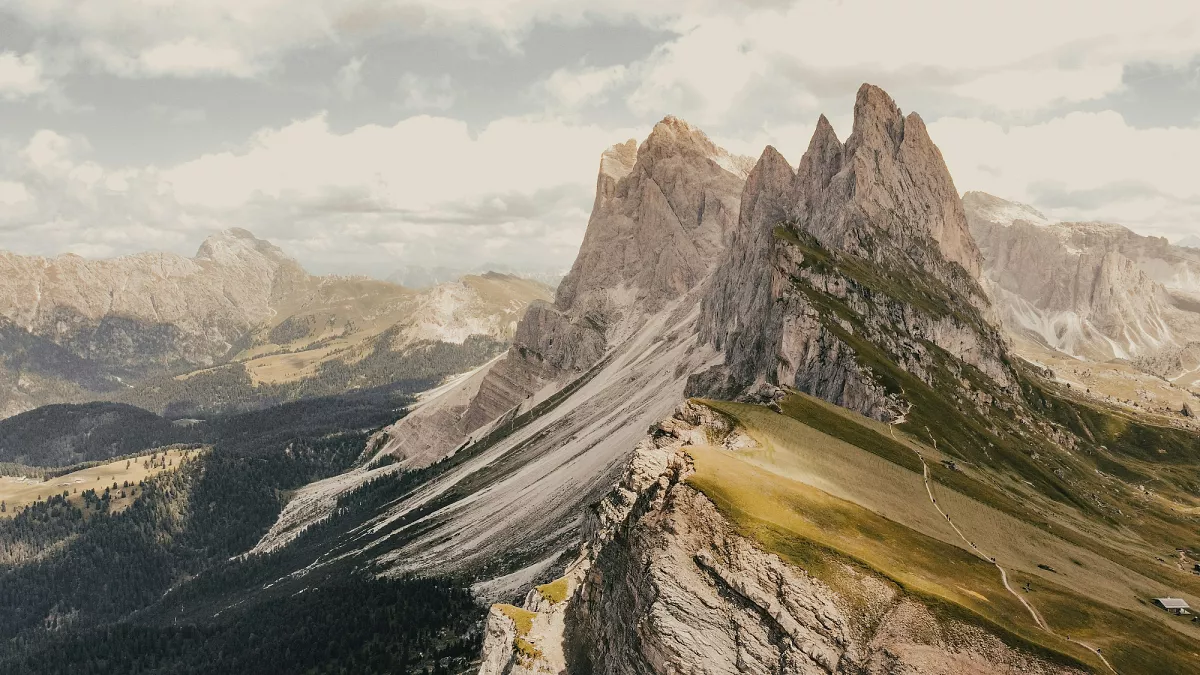
As Italy prepares to host the upcoming Winter Olympics across Milan and several picturesque Alpine locations like Cortina d’Ampezzo, the “Queen of the Dolomites,” local communities are raising serious concerns about the sustainability of tourism in their fragile mountain ecosystems. The international spotlight will soon shine on these UNESCO-designated areas, but for many residents, this represents an escalation of an already troubling trend: the transformation of their homes into overcrowded tourist hotspots driven by social media fame. The Seceda mountain hiking trail, with its dramatic views of the spiky Odle Peaks, has become ground zero for this phenomenon, where summer crowds with cameras have created nightmarish conditions for locals trying to maintain their way of life amid the tourist onslaught.
The tension between tourism-dependent economies and environmental preservation has reached a breaking point in several Dolomite communities. Madonna di Campiglio, a renowned ski resort, recently became Italy’s first to implement visitor caps, limiting daily passes to just 15,000 during peak periods like the winter holiday season and Carnival. While resort officials frame this as an effort to enhance visitor experience and safety rather than directly addressing overtourism, the move reflects the growing recognition that unlimited access is unsustainable. The resort is also developing “smart skipasses” that will distribute skiers more evenly across its 150 kilometers of slopes by steering them away from congested areas. These initiatives come as many worry that the Winter Olympics will only accelerate interest in the region’s already strained winter tourism infrastructure.
The summer of 2023 brought the overtourism crisis into stark relief when local farmers took the extraordinary step of installing a turnstile with a €5 fee on the popular Odle trail. What began as what they called a “cry for help” evolved into a persistent protest against the environmental damage caused by the estimated 8,000 daily visitors during peak season. The farmers cited abandoned trails, meadows littered with garbage, and visitors trampling across their fields and crops as justification for their actions. Though the turnstile was initially removed by Puez-Odle Nature Park authorities, the farmers reinstated it after receiving no response from officials or organizations with the power to address their concerns. Their actions, while controversial, highlighted the lack of coordinated management strategies for dealing with mass tourism in these sensitive Alpine environments.
The surge in visitors to places like Seceda mountain has been attributed in part to their fame in popular media, with some locals pointing to Apple’s use of the mountain as a wallpaper for iOS 7 a decade ago and its more recent appearance in iPhone 15 promotional materials. This type of “involuntary publicity” has transformed once-peaceful natural areas into must-visit photo opportunities, with many tourists making the journey solely to capture the Instagram-worthy views before departing. The cable car from Ortisei to the Seceda summit has exacerbated this problem, creating bottlenecks and long queues. While the cable car operator has proposed tripling capacity to address these crowds, environmental groups argue this would only worsen the situation, suggesting instead that prices should increase or operation should cease entirely during peak seasons to protect the fragile ecosystem.
According to research by the Demoskopika Institute, South Tyrol now ranks alongside Venice as one of Italy’s destinations most vulnerable to tourist overcrowding. The problem has been compounded by climate change, with booming interest in mountain destinations during increasingly hot European summers. Carlo Alberto Zanella, president of the South Tyrolean branch of the national hiking association, acknowledges that while the farmers’ toll may seem extreme, it served to bring critical attention to a real problem requiring immediate action. Local tourism groups have also pointed to inadequate regulation by provincial authorities, with some calling for mountain farmers to receive financial compensation for summer tourism impacts, similar to arrangements made with landowners affected by ski slopes in winter.
Tourism experts like Catherine Warrilow suggest that addressing overtourism requires more than just visitor caps at individual attractions. “Limiting visitors per day to the slopes and lifts may reduce wider impacts but in my experience, it needs a far more holistic approach, coordinated with the local tourist association, businesses and residents,” she explains. Rather than focusing on “visitor management adjustments” at particular bottlenecks, Warrilow advocates for comprehensive strategies that manage visitor flow throughout entire regions to achieve greater accessibility and sustainability. As the Winter Olympics approach, Italy’s Alpine communities find themselves at a crossroads, balancing economic opportunities against environmental preservation and the quality of life for residents. Their struggle highlights a global challenge: how to share natural beauty with the world while preserving what makes these places special in the first place.