



Weathering the Storm: Your Rights During Winter Travel Disruptions
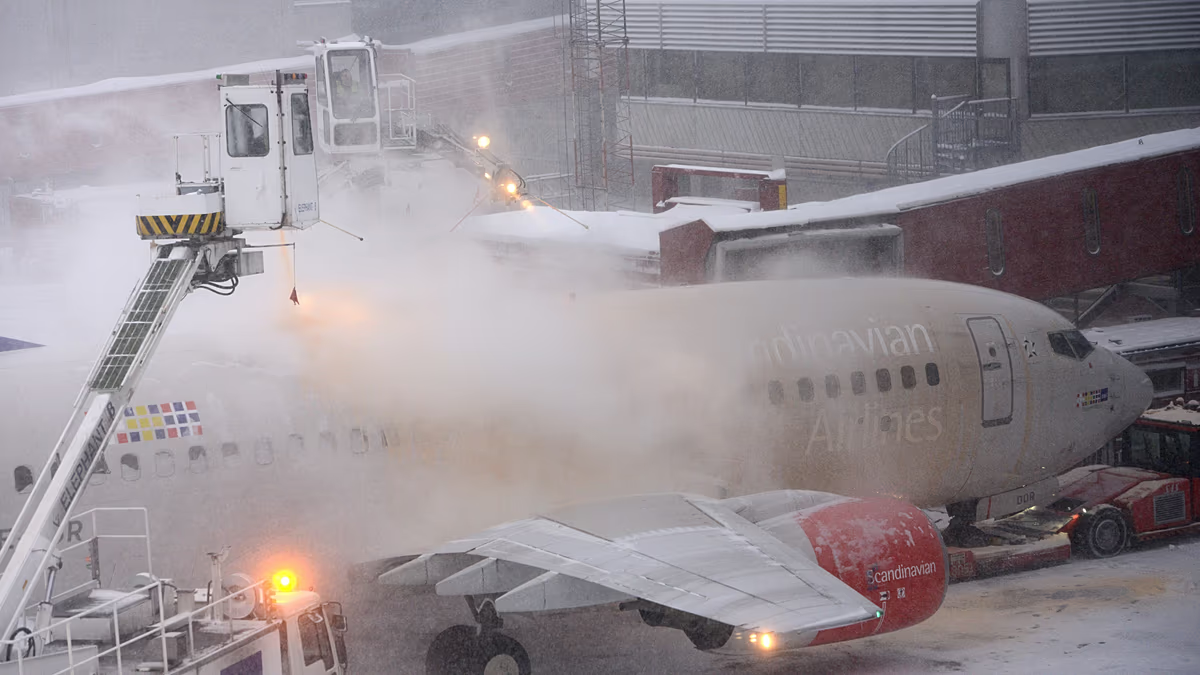
The dawn of 2026 brought not just new beginnings but also significant travel chaos across Europe as winter weather unleashed its fury on the continent’s transportation networks. Amsterdam’s Schiphol Airport, one of Europe’s busiest hubs, bore the brunt of this seasonal onslaught, with nearly 1,200 flights canceled since the weekend due to snow and powerful winds. The disruption extended beyond the Netherlands, with Liverpool Airport in the UK temporarily shutting down after temperatures plummeted overnight, while Aberdeen Airport grounded dozens of flights. These weather-related interruptions have left thousands of travelers frustrated, anxious, and uncertain about their rights and options. While winter travel disruptions can be incredibly stressful—especially when they strand passengers for days—understanding your passenger rights and the protection offered by travel insurance can help you navigate these challenging situations with greater confidence and clarity.
When winter weather wreaks havoc on flight schedules, passengers protected by EU laws have specific rights they can exercise. These protections cover flights within the UK or EU (regardless of airline), flights arriving in the UK or EU from elsewhere (if operated by a UK or EU airline), and flights departing from the UK or EU to non-EU destinations. Under normal circumstances, travelers experiencing delays of three hours or more are entitled to compensation ranging from €250 to €600, depending on the flight distance. If your flight is canceled entirely, you have the right to choose between a full refund, rebooking on an alternative flight, or a return flight to your departure point. Additionally, airlines must provide assistance at the airport, including meals and accommodation if you’re rebooked for the following day. However, these compensation rules have one significant exception: when delays or cancellations result from what’s legally termed as “extraordinary circumstances.”
Understanding what qualifies as an “extraordinary circumstance” is crucial for managing your expectations during weather disruptions. For bad weather to exempt airlines from financial compensation obligations, it must be genuinely extreme and unexpected—think severe storms, volcanic ash clouds, or hurricanes that couldn’t reasonably be anticipated or mitigated. As consumer watchdog Which? aptly explains, “If a flight is grounded because of a freak snowstorm in the Canary Islands, this would be extraordinary. Light snow at an airport near the Alps in the middle of winter is not.” It’s worth noting that even when extreme weather conditions do constitute extraordinary circumstances, airlines still maintain a duty of care toward their passengers. As Rory Boland, Editor of Which? Travel, emphasizes, airlines must provide clear information about passengers’ rights to assistance or refunds, ensuring access to food and drink during delays exceeding specific durations (two hours for short-haul, three for medium-haul, and four for long-haul flights), along with overnight accommodation when necessary.
Another important distinction to understand is that airlines can’t claim extraordinary circumstances if your flight is delayed merely because a previous flight was disrupted by bad weather. For the extraordinary circumstance exemption to apply, your specific flight must be directly affected by the extreme weather conditions. When your flight is canceled, regardless of the cause, the airline must still offer you the choice between a refund or rebooking on the next available flight—and this obligation extends to booking you on a competitor’s flight if that’s the quickest way to get you to your destination. This duty of care remains intact even when financial compensation isn’t required, providing passengers with essential protection during disruptions beyond everyone’s control.
For added peace of mind during winter travel, comprehensive travel insurance can offer another layer of protection beyond what airlines are legally required to provide. According to Lauren McCormick from travel insurance comparison site Squaremouth, many policies include Travel Delay benefits that kick in after delays exceeding three hours, provided the delay stems from covered reasons like mechanical breakdowns or inclement weather. Some policies also feature Missed Connection coverage, which can help with additional costs like meals or accommodation if bad weather causes you to miss a connecting flight. To successfully navigate the claims process, McCormick advises travelers to meticulously document everything: “Keep all documentation that can help with filing a claim, including receipts for meals and accommodations, proof from your airline of the delay and the reason, and an updated itinerary showing the length of the delay.” This evidence will be invaluable when seeking reimbursement for unexpected expenses incurred during weather-related travel disruptions.
In more severe cases where delays extend beyond 12 hours, some travel insurance policies may even allow you to cancel your trip entirely and recoup your pre-paid, non-refundable expenses. Trip cancellation coverage might also apply if extreme weather renders your accommodation uninhabitable or if authorities issue a mandatory evacuation order due to severe winter storms. However, timing is crucial when it comes to insurance coverage for weather events. McCormick emphasizes that coverage typically applies only if you purchased your policy before the extreme weather event was named or became publicly known. For hurricanes specifically, you must have bought your insurance before the storm received its official name, while for other disasters, the event must have been unforeseen and not publicly announced prior to your policy purchase. This timing requirement underscores the importance of securing travel insurance well in advance of your journey, particularly during seasons prone to weather disruptions.