

The way we travel is undergoing a profound transformation, and the horizon for 2027 is brimming with exciting possibilities that promise to reshape our global explorations. The modern traveler is evolving into a more thoughtful and deliberate explorer, prioritizing not just the destination but the entire experience, from their personal health and well-being to the quest for meaningful and authentic connections. We are moving away from the generic, cookie-cutter vacation toward curated journeys that offer genuine enrichment, sustainable practices, and a deeper understanding of the places we visit. The coming year is set to be a testament to this shift, with a wide array of trends emerging that cater to those seeking solace in unspoiled nature, a connection to the cosmos, or a redefinition of what a holiday can truly be. As we look ahead, it becomes clear that the future of travel is not about seeing more, but about experiencing better, with a focus on longevity, authenticity, and a profound respect for the world and its diverse cultures. This evolution prompts us to ask not just where we will go, but why we are going, and how the journey will change us.
2027 is poised to be a monumental year for those who look to the skies, with a celestial event of staggering proportions set to capture the world’s attention. On August 2nd, an extraordinary total solar eclipse, already being dubbed the “eclipse of the century,” will trace a path across easily accessible land, offering an extended period of totality that will leave spectators in awe. While southern Spain, including vibrant cities like Málaga and Cádiz, will be plunged into a remarkable daytime darkness for over two minutes, the true heart of the eclipse lies further east. In parts of Egypt, the sun will be completely obscured for more than six minutes, creating an unprecedented opportunity for eclipse chasers and casual observers alike to witness one of nature’s most spectacular shows from a region steeped in ancient history. This event follows a year that has already fueled our cosmic curiosity with the successful Artemis II lunar flyby, and with the Artemis III mission planned for 2027, our fascination with space is only set to intensify. Adding to the allure, the 50th anniversary of the Star Wars franchise will likely inspire a new wave of “set-jetting” travel, as fans seek out the iconic filming locations that brought the galaxy far, far away to life, from the dramatic limestone karsts of Guilin to the breathtaking desert landscape of Wadi Rum.
Beyond the celestial, the decade’s travel trends are pointing toward a deliberate move away from the well-trodden path, with explorers increasingly seeking out “undertourised” destinations. While 2026 saw travelers embrace the “second city” concept, venturing beyond capital cities to uncover hidden gems, 2027 is set to take this spirit of discovery even further. The pervasive influence of social media has a double-edged effect; it can spotlight a previously obscure location and instantly turn it into an overcrowded hotspot. This phenomenon has made travelers more conscious and proactive, with research indicating that a significant percentage are actively seeking to avoid congested tourist hubs. We are now seeing a growing appeal in places that retain their authentic charm and offer a slower, more tranquil pace of life. This could mean exploring the serene mountain escapes of Toyama in Japan, a prefecture that has intentionally cultivated a rural character to attract visitors. It also involves a more proactive approach from destinations themselves, with city councils and tourism boards like Dubrovnik’s “Respect the City” initiative implementing strategies to manage tourist flows and preserve the very essence of their towns, ensuring they remain both welcoming and sustainable for generations to come.
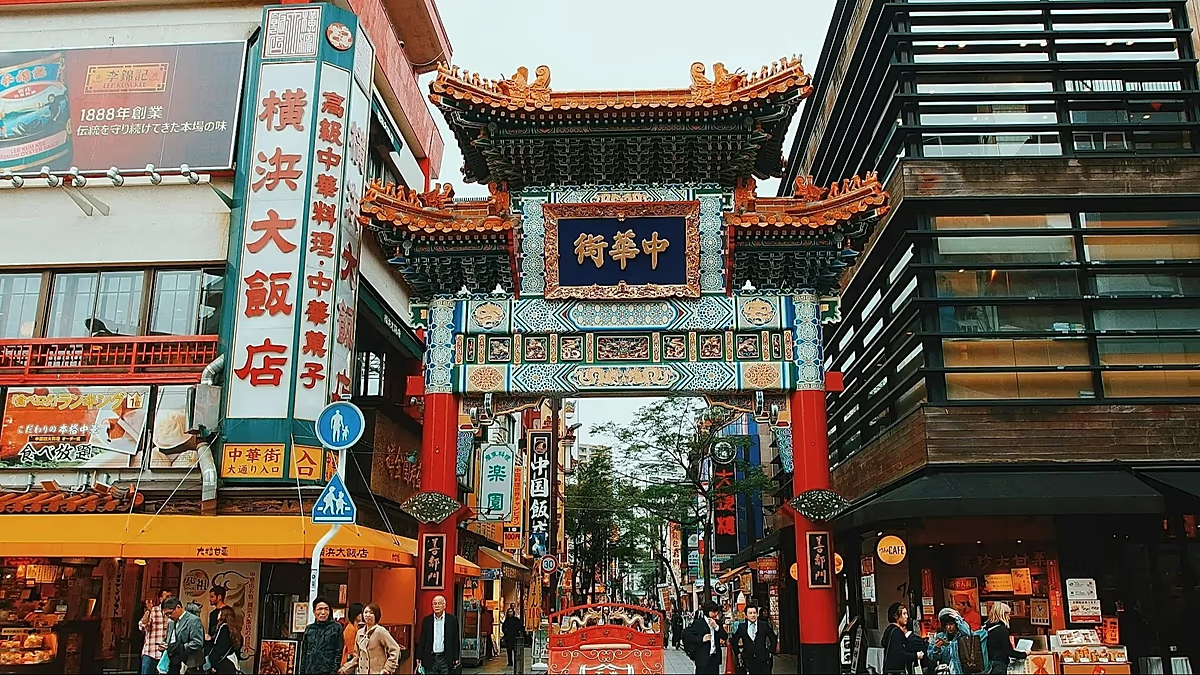
In the realm of travel hotspots, China is finally enjoying its long-overdue moment in the global spotlight, with a trend playfully dubbed “Chinamaxxing.” With the easing of visa restrictions for citizens of nearly 80 countries, who can now visit for up to 30 days visa-free, the country’s futuristic skylines, ancient UNESCO World Heritage sites, and breathtakingly diverse landscapes are more accessible than ever. The rise of social media has been a powerful catalyst, with platforms like Douyin and autotranslate features breaking down cultural and linguistic barriers, sparking a global curiosity about Chinese life and culture. New technological advancements, such as the launch of the TenPayGo payment app, have also simplified the practicalities for international visitors, making navigation and transactions seamless. The country offers an incredible journey through time and place, from the relentless energy of its metropolises to the serene beauty of its rural areas, providing an experience that is both deeply historical and ultramodern, and leaving visitors with a profound sense of awe and a desire to return again to uncover more layers of its endless depth.
The very structure of our holidays is also being reimagined, giving rise to what might be called the “Inception trip”—a holiday within a holiday, creating a layered journey of discovery. This spontaneous and unstructured approach to travel involves booking a base destination and then, upon arrival, letting the adventure unfold organically, adding day trips and even overnights as the mood strikes. A simple summer escape to the Spanish Pyrenees, for instance, could evolve into a cross-country road trip, with spontaneous decisions to drive for hours just to catch a glimpse of a solar eclipse from a trendy city like San Sebastián. This style of travel aligns perfectly with the growing desire to break free from rigid itineraries and embrace a more Type B, spontaneous mindset. With the constant stream of curated content on social media making destinations feel eerily familiar even before we arrive, there is a powerful appeal in unplugging and allowing for surprise and serendipity. By not over-planning, travelers can create their own unique stories, venturing to places simply because they feel right at the moment, which also counters a culture of following the algorithmically-approved crowd and diminishes the negative impacts of overtourism.
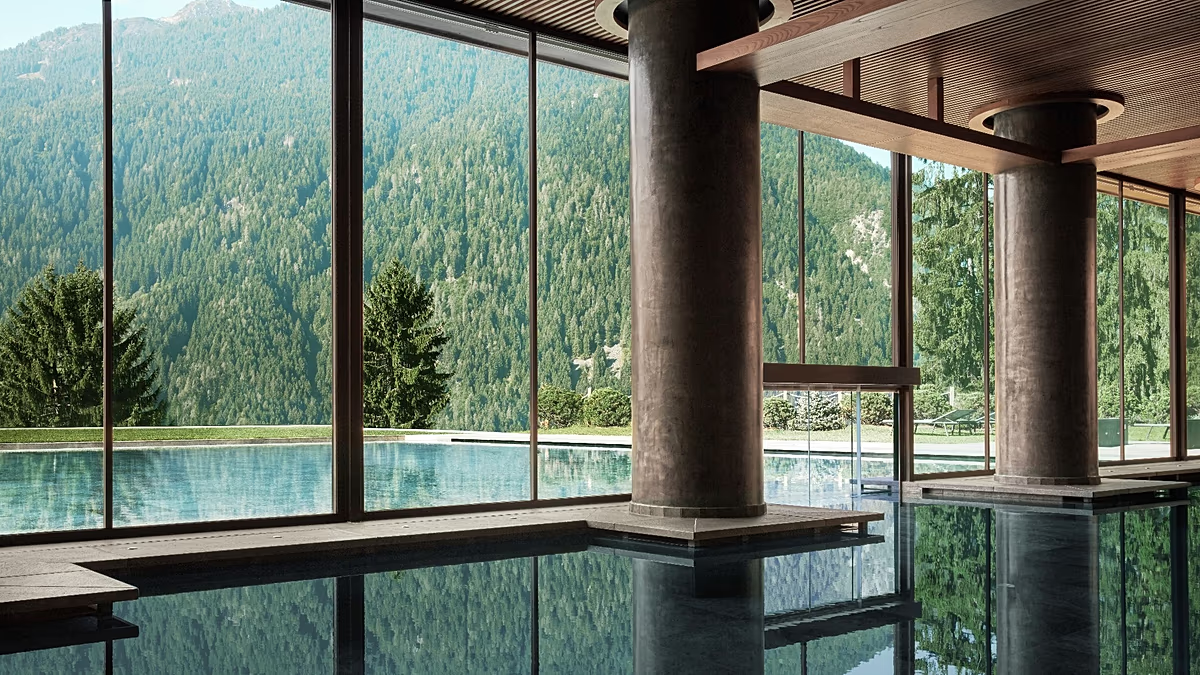
The concept of a wellness retreat is also undergoing a significant evolution, shifting its focus from lifespan to “healthspan”—not just living longer, but living better, with more energy, vitality, and resilience. In 2027, longevity retreats are expected to move away from being simple, quick-fix wellness resets toward becoming educational and data-driven experiences that empower guests to understand their own bodies on a deeper level. Instead of a brief escape, these programs aim to provide lasting take-home changes, which might include comprehensive metabolic testing, personalized nutrition plans based on one’s unique biochemistry, sleep analysis, and consultations with medical professionals. Emerging treatments like cryotherapy and hyperbaric oxygen therapy are being integrated into high-end programs, and new luxurious retreats, such as Clinique La Prairie in Phuket, are opening their doors, offering a multi-generational approach to preventative health. This new wave of retreats, which might feature science-backed spaces for oxygen and altitude training, signals a paradigm shift from passive pampering to active participation in one’s own long-term well-being.
As travelers become more discerning, the very idea of accommodation is being challenged, with a marked shift away from standardized hotels and toward authentic, immersive stays that are becoming the primary reason for a trip. The desire for genuine local experiences is pushing travelers to consider traditional housing forms, such as the riads of Morocco, with their stunning inward-facing architecture and serene, fountain-filled courtyards, or the ancient ryokans of Japan, where every detail, from the tatami floors to the multi-course kaiseki dinner, is steeped in cultural ritual. This trend also reflects a growing curiosity and a desire to travel with more purpose and to connect with local communities in a meaningful way, leading to the rise of work-exchange programs. These models allow visitors to trade a few hours of work each day for food and lodging, offering a low-cost, high-reward way to not only travel but to form genuine bonds and gain a truly immersive perspective of daily life in a new place, ensuring that the accommodation itself becomes an integral part of the trip’s narrative.