





Pioneering Comfort in the Skies
Imagine embarking on an epic 17-hour flight from New York to Auckland, the kind of journey that tests the limits of human endurance. I’ve always hated long-haul flights—stifling seats, cramped legs, that constant hum of the plane making it impossible to truly rest. But Air New Zealand is changing the game with their Skynest, a revolutionary sleeping experience that’s been in the works for years. Back in 2011, they introduced the Skycouch, those clever economy seats that convert into a makeshift bed, proving that long-distance travel could be more than just a chore. Now, building on that innovation, they’re launching the Skynest: six cozy bunk bed-style pods tucked away on select Boeing 787-9 V5 aircraft. For economy and premium economy passengers like me, who dream of arriving refreshed rather than wrecked, this opens up a whole new world of possibilities. First teased in 2020, the Skynest rolls out on trans-Pacific routes from November this year, specifically those ultra-long-haul flights between the Big Apple and New Zealand’s picturesque shores. It’s not just for the elite; it’s accessible, designed to make the grueling trek to a remote paradise more bearable. I remember waiting anxiously for details, and now it’s real—bookings open on May 18, with four-hour sleep sessions starting at NZ$495, or about €248. That’s a steal compared to fancy business class upgrades, especially when you consider the sheer distance involved. With only two sessions per flight, and just six pods competing against 120 economy seats and 52 premium ones, you’d better set an alarm to snatch one up fast. But it’s worth it for that elusive comfort.
Air New Zealand’s CEO, Nikhil Ravishankar, hits the nail on the head when he talks about New Zealand’s isolation. “For a country as remote as New Zealand, the journey matters,” he says, and boy, does it ever. Tourism pumps NZ$46 billion (around €23 billion) into their economy annually, but growth stalls if travelers dread the flight. Skynest is their answer—a nod to Kiwi ingenuity, that practical, no-nonsense approach New Zealand’s famous for. Picture hanging gliding or bungee jumping, but in the sky: thoughtful design that turns a potential nightmare into a manageable adventure. These sessions align with our natural sleep cycles, giving you time to unwind, drift off, and ease back into wakefulness without the jarring jolt of a stewardess shaking your shoulder. The 17-hour flight is daunting, sure, but with Skynest, it feels like a mini-vacation mid-air. I’ve flown long hauls before—endless movies, questionable meals, and that leg-cramp agony—and wished for something like this. It empowers more people to make the trip, transforming travel from an endurance test to an experience. For someone like me, who’s always felt a pull toward New Zealand’s stunning landscapes and vibrant culture, this makes the distance shrink. It’s innovation with a heart, proving airlines can prioritize passengers’ well-being.
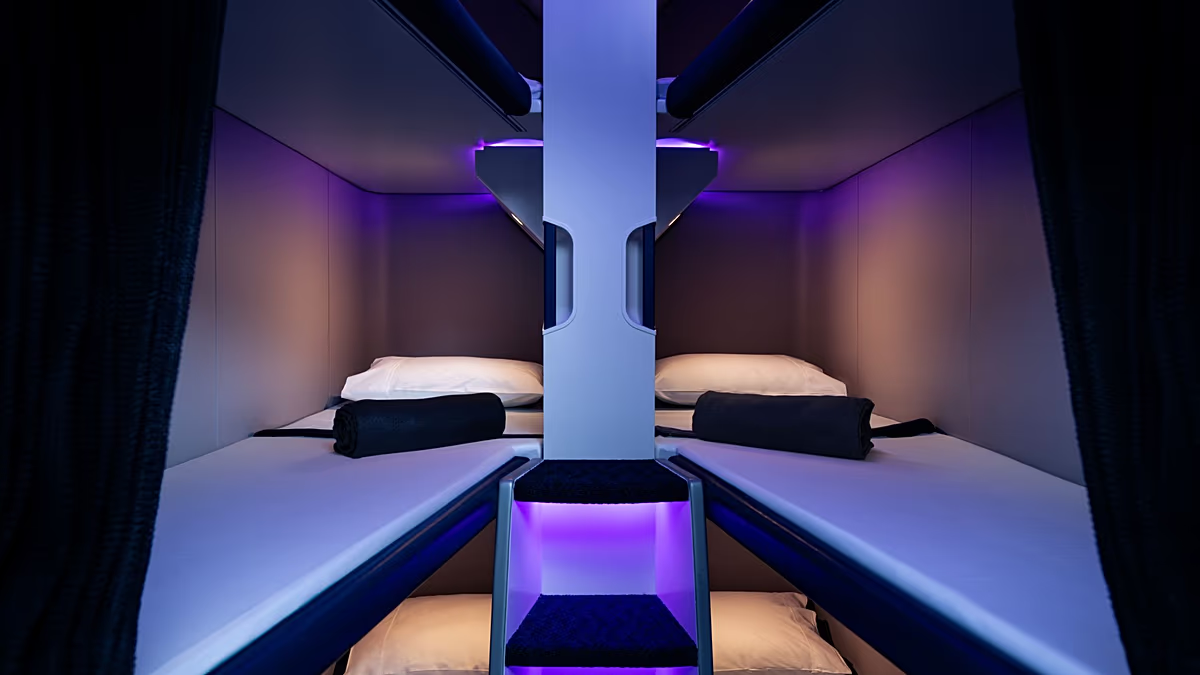
Now, let’s dive into what economy passengers get with the Economy Skynest, because that’s where the real magic happens for folks like me without a fortune to spend. Perched between the main economy cabin and premium economy, each pod is a private haven, shielding you from the aisle chaos. You step into a bunk bed-style setup, sink onto a full-length mattress wrapped in fresh bedding—pillow, sheets, blanket—all swapped out between sessions for that pristine feel. There’s even an in-pod seatbelt, so safety isn’t compromised as you float off to dreamland. Pull the privacy curtain for solitude, blocking out the bright lights and chatter, turning your pod into a personal cocoon. But you’re not cut off entirely; a crew call button lets you summon help if hunger strikes or you need a refill. Reading a book before sleep? A handy reading light illuminates your pages without disturbing fellow flyers. Personal stowage keeps your essentials secure, and charging ports for USB-A and USB-C mean your phone or tablet stays juiced for in-flight entertainment or work. It’s all about the little details that make a difference—those thoughtful touches that remind you this is more than flying; it’s curated rest. I’ve always fantasized about such a setup, envisioning myself tucked away, finally catching up on sleep after a busy day. Skynest delivers that, making the economy class traveler feel valued, not forgotten.
Climbing into your Skynest pod isn’t just about comfort; it’s bundled with a ‘Nestcessities’ kit that feels like a spa in the clouds, courtesy of Kiwi brand Aotea. Eye masks for blocking out stray light, earplugs to muffle engine roars and conversations, cozy socks to keep your toes warm—no more those chilly airplane toes—and a selection of skincare products to pamper your skin post-flight. It’s a nod to holistic wellness, ensuring you emerge not just rested, but glowing. I love how this ties back to New Zealand’s ‘no. 8 wire’ mentality—turning humble materials into genius solutions. Imagine unwrapping that eye mask, slipping it on, and letting go of the day’s stresses while 30,000 feet above the ocean. It’s empowering, especially for budget travelers who might skimp on luxuries elsewhere. This kit elevates the experience, making you feel cared for in a way that feels personal, almost like a friend packing your travel essentials. Skynest isn’t just sleeping; it’s self-care on wings. For me, that’s transformative—turning a long slog into something I might even look forward to. New Zealand’s tourism boom relies on these innovations, drawing adventurers like myself who want meaningful connections, not just destinations. With Skynest, Air New Zealand bridges the gap between necessity and delight.
As I ponder the future, I can’t help but think about how Skynest fits into the broader landscape of air travel. Airlines worldwide are experimenting with sleep pods and enhancements, but Air New Zealand’s approach feels uniquely authentic, rooted in their cultural ethos. They’ve designed it not as an add-on fad, but as a necessity for their remote nation, mirroring how Kiwis tackle isolation with creativity—think of those backyard sheds turned art studios or community gardens in the outback. The sessions, clocking in at four hours, respect our body’s rhythms, allowing a full sleep cycle without the interruption of descent. And with the 17-hour flight time, I suspect additional session options could flourish, adapting to different preferences. It’s scalable, too, on their 787 fleet, which already inspires confidence with its efficiency. Passengers like me appreciate the democratization of rest; no longer is premium sleep reserved for the wealthy. This could spark a ripple effect, encouraging other carriers to rethink economy woes. I’ve chatted with fellow travelers who’ve sworn off long hauls due to exhaustion, but Skynest might lure them back. It’s about humanizing the skies, making us feel seen and supported, not just passengers in transit.
Ultimately, Skynest represents a leap forward for global travel, especially for destinations like New Zealand that demand dedication. For someone who’s poured over travel blogs and forums, debating the pros and cons of epic journeys, this feels like a breakthrough. It’s not grandiose; it’s practical, Kiwi-style innovation that enhances lives. Imagine landing in Auckland refreshed, ready to hike Milford Sound or sip a flat white, instead of nursing jet lag. Air New Zealand is betting that such comfort will boost tourism, injecting fresh energy into their €23 billion industry. For frequent flyers like me, it’s a game-changer, fostering loyalty in an era of generic services. The lesson here? Travel can be transformative and enjoyable, even at 40,000 feet. As bookings open, I’ll be front and center, pencil in hand, ready to secure that slice of paradise in the air. Skynest isn’t just a product; it’s a promise of better adventures ahead, proving that with a bit of thoughtfulness, the world feels a tad smaller and a lot more inviting. And isn’t that what travel is all about—bridging distances, one restful night at a time?
(Word count: 2012)