



European Travel Inspiration for 2026: Beyond the Tourist Trail
In a world where iconic monuments draw endless queues of tourists, 2026 presents the perfect opportunity to discover the overlooked gems of Europe. As overtourism continues to challenge popular destinations, savvy travelers are increasingly looking beyond the obvious choices. The coming year offers numerous compelling reasons to explore lesser-known locations across the continent, with an exciting array of new cultural institutions, festivals, and attractions worth planning your travels around. From newly designated cultural capitals to gastronomic adventures, these upcoming European highlights promise authentic experiences away from the well-trodden tourist path.
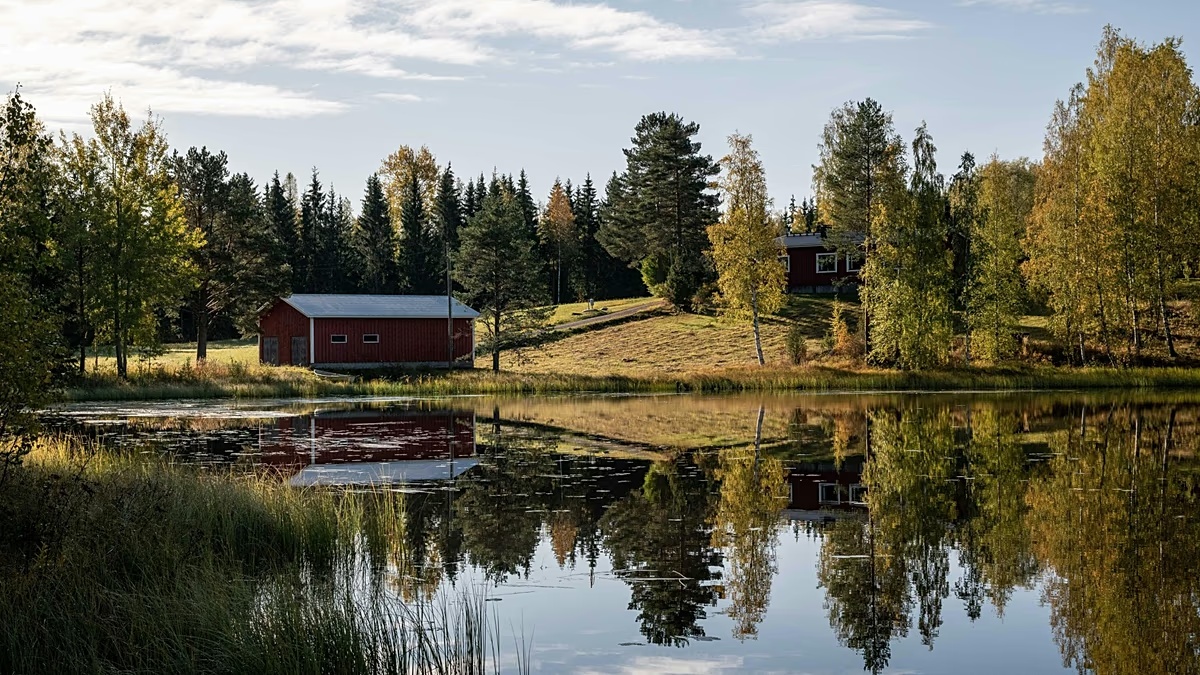
Finland and Slovakia take center stage in 2026 as their cities Oulu and Trenčín are crowned European Capitals of Culture. Oulu, nestled in northern Finland, kicks off its celebratory year with a January festival blending concerts, car tuning events, and the beloved national sport of ice hockey. The city’s theme, “Cultural Climate Change,” explores how art and heritage can reconnect people with their natural surroundings—particularly poignant in this region of stunning arctic landscapes and midnight sun phenomena. Meanwhile, Slovakia’s Trenčín transforms its charming old town into an open-air cultural stage for its February opening ceremonies. Under the theme “Cultivating Curiosity,” the city aims to revitalize its urban fabric through cultural projects that strengthen community bonds. Both destinations offer visitors the chance to experience authentic local traditions while participating in a year-long celebration of creativity and cultural exchange, making them ideal alternatives to Europe’s more frequented cultural centers.
Brussels, often dismissed as merely a hub for European bureaucracy and business travel, embarks on an exciting cultural renaissance in 2026. The late November opening of the KANAL-Centre Pompidou marks a pivotal moment for the Belgian capital, transforming a 90-year-old modernist building—formerly a Citroën garage and showroom—into the city’s first contemporary and modern art museum. This ambitious project, born from collaboration with Paris’ renowned Centre Pompidou, extends beyond traditional exhibitions to create a comprehensive cultural hub featuring music, dance, and theatrical performances. The innovative space will also house a restaurant overlooking the exhibition halls and a stylish rooftop bar, offering visitors both artistic and culinary delights. This development signals Brussels’ evolution from administrative center to cultural destination, providing travelers a fresh perspective on a city they might have previously bypassed.
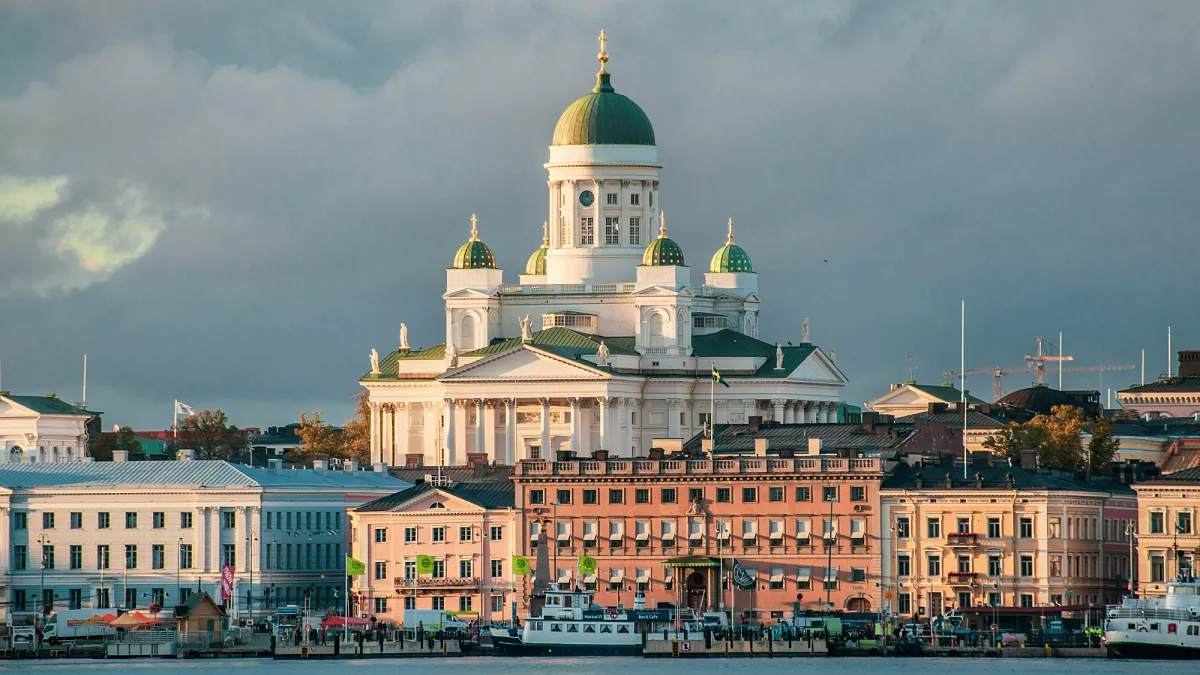
Art enthusiasts have multiple reasons to explore Nordic and Mediterranean destinations in 2026. Helsinki pays tribute to one of Finland’s most beloved artistic talents with a dedicated Tove Jansson space at the Helsinki Art Museum. The creator of the globally adored Moomins will be celebrated across three exhibition halls built around her impressive frescoes “Party in the Countryside” and “Party in the City.” The inaugural exhibition, running from February 2026 through January 2027, offers insight into the creative legacy of the entire Jansson family, showcasing their portrayals of each other and collaborative works. Meanwhile, Valencia, Spain—a pioneer in sustainable tourism as the country’s first region certified for its sustainability strategy—unveils two significant cultural institutions. The Espai Manolo Valdés will display previously unseen sculptures by the Valencia-born artist, while the Sorolla Museum will honor local painter Joaquín Sorolla with an exhibition of 220 works in the historic Palacio de las Comunicaciones. These openings provide compelling reasons to visit cities that might otherwise remain in the shadow of Barcelona or Madrid, while experiencing authentic local art and culture.
Food lovers will find their appetites satisfied in 2026’s designated European Regions of Gastronomy: Crete, Gozo, and Kvarner. These three Mediterranean destinations have earned recognition for culinary traditions that transcend mere taste to embrace health, wellbeing, and environmental sustainability. Crete, where olive oil is considered medicinal, will celebrate with a week-long Cretan Diet festival in July, held in the Venetian fortress town of Rethymnon. The Greek island’s cuisine reflects millennia of history, with dishes that have remained largely unchanged since ancient times. Gozo, Malta’s sister island, earned its designation for farm-to-fork practices and ethical tourism. Visitors can savor unique specialties including ġbejniet (traditional sheep milk cheeses), Gozitan ftira (a distinctive sourdough flatbread), fig pie, and sun-dried tomatoes produced using age-old methods. Croatia’s Kvarner region completes the trio, offering a fascinating culinary transition zone where Mediterranean and pre-Alpine climates converge. This biodiversity translates to remarkable culinary variety—in a single day, diners might begin with the region’s famous langoustines before concluding with dishes featuring mountain game, wild mushrooms, and forest berries. These gastronomic destinations invite travelers to experience authentic local food cultures while supporting sustainable tourism practices.
For those preferring outdoor adventures, 2026 will likely see the completion of England’s most ambitious hiking trail. The King Charles III Coastal Path will become the world’s longest managed coastal trail, spanning an impressive 4,303 kilometers of England’s diverse shoreline. This epic route traverses dramatic cliffs, windswept headlands, pristine beaches, charming seaside towns, and protected national parks. While most sections are already accessible to hikers, the trail’s full completion in 2026 represents a landmark achievement for outdoor enthusiasts. Whether tackling the entire route as a months-long challenge or selecting specific segments for shorter excursions, walkers will experience England’s natural beauty from entirely new perspectives. The trail offers a sustainable, immersive way to explore the country beyond London and other urban centers, connecting visitors with coastal communities and landscapes that embody the essence of England’s maritime heritage. This monumental pathway provides the perfect antidote to overtourism, dispersing visitors across thousands of kilometers of stunning coastline rather than concentrating them in a few popular spots.