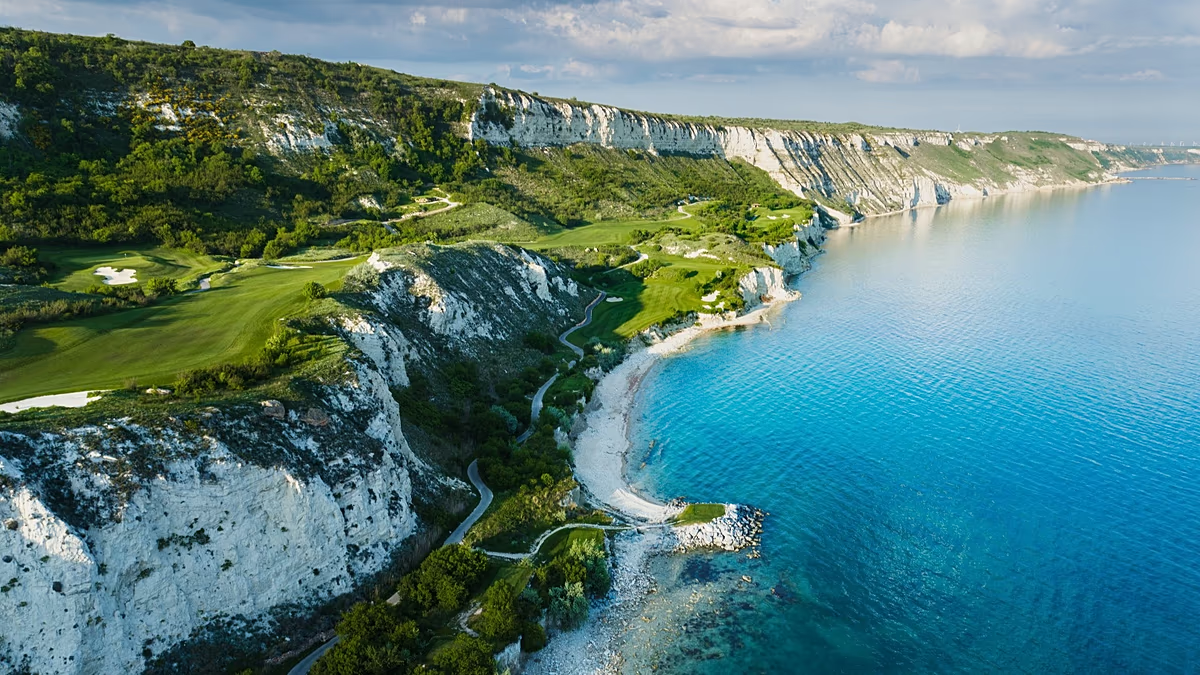



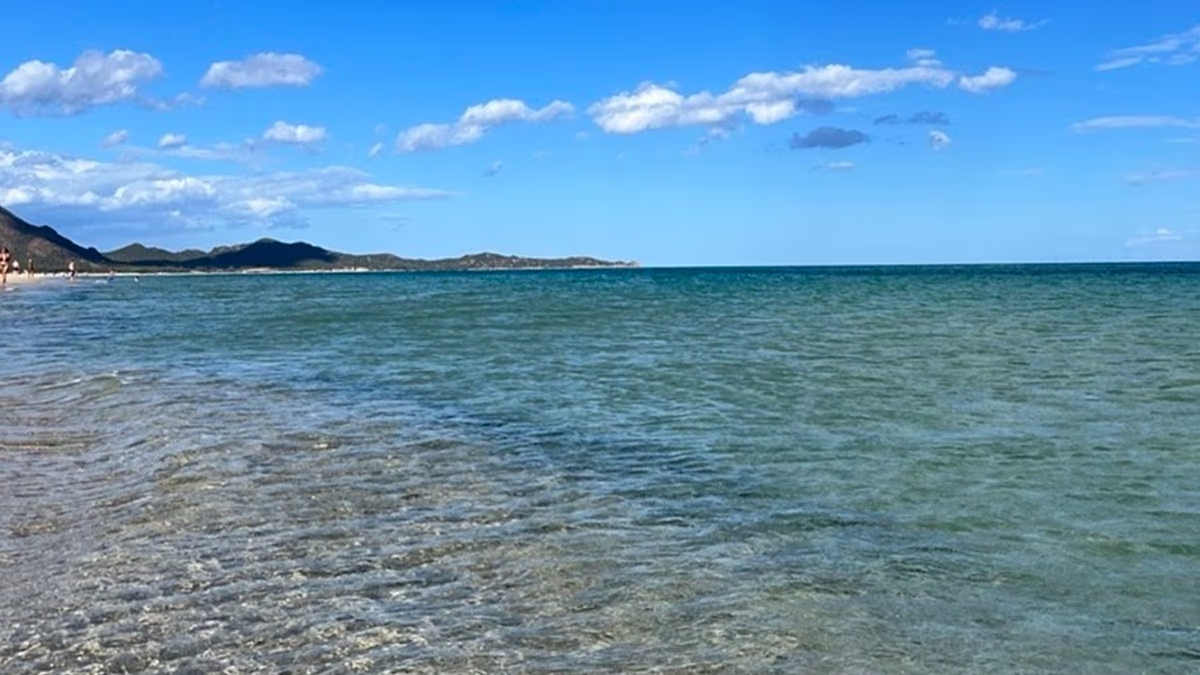
For generations, the sun-drenched shores of Sardinia have lived in the global imagination as the ultimate sanctuary of Mediterranean life, a place where time slows down to the gentle rhythm of turquoise waves crashing against ancient granite. Among the island’s most prized ecological crowns is Punta Molentis, a breathtakingly secluded beach in the municipality of Villasimius, celebrated for its powdery white sands, aromatic wild juniper, and pristine waters that mirror the sky. However, the summer of 2026 has brought a jarring awakening to this coastal paradise, replacing the carefree whispers of beachgoers with heated debates over a radical new municipal decree. Issued by the mayor of Villasimius, Gianluca Dessì, a suite of unprecedented, highly restrictive regulations has gone into effect from June 6 through October 31, 2026, fundamentally altering the way locals and international travelers interact with this fragile landscape. At the heart of the uproar is a controversial ban that prohibits healthy adults from erecting beach umbrellas or setting up any form of personal shade on the beach, reserving the comfort of a parasol exclusively for families with very young children and seniors. To complicate matters further, visiting this protected sanctuary now requires booking in advance and paying a mandatory ten-euro entrance fee per person, transforming a simple day of seaside relaxation into a highly regulated, costly logistical mission that has ignited a firestorm of controversy across the Mediterranean.
To comprehend the sheer severity of Mayor Dessì’s drastic measures, one must look back to the traumatic events of July 27, 2025, a day etched into the collective memory of the Villasimius community. On that sweltering afternoon, a catastrophic wildfire swept through the surrounding hillsides of Punta Molentis, fueled by dry winds and extreme summer heat, trapping terrified tourists on the beach, reducing parked vehicles to charred metallic skeletons, and decimating acres of precious, slow-growing Mediterranean scrub. The disaster laid bare the profound ecological vulnerability of the region, illustrating how easily the convergence of unchecked human presence and climate-induced hazards can turn a natural haven into a dangerous trap. It is against this backdrop of environmental trauma that the local government justified its authoritarian approach to conservation. Mayor Dessì has passionately defended the regulations as a desperate, necessary shield to protect a dying ecosystem, arguing that the geomorphological balance of Punta Molentis cannot survive another season of high-density tourism. By curbing the sheer volume of daily human foot traffic, the administration aims to give the recovering flora and fauna a fighting chance to heal, emphasizing that the planet’s ecological survival must take precedence over the unbridled tourism industry that drives the local economy.
Under the strict terms of the new land-access decree, the days of spontaneous, crowded beach outings at Punta Molentis are officially over, replaced by a rigid cap designed to keep human pressure within historically low limits. Access to the beach by land is now strictly restricted to a maximum of just seventy vehicles per day, with the total number of land-based visitors capped at one hundred and fifty people at any given moment. Yet, it is the micro-management of personal comfort on the sand that has truly shocked the public: the total ban on driving poles, pitching tents, raising gazebos, or opening traditional beach umbrellas. The town hall has decreed that only family units accompanied by children under the age of ten, or elderly citizens aged sixty-five and older, are legally permitted to erect a single umbrella per group. For the average adult tourist or young couple, a day at Punta Molentis now means enduring the brutal, unfiltered force of the Italian summer sun with nothing but sunscreen and a towel. Local police officers have been tasked with enforcing these surreal rules, conducting at least three random sweep inspections a day to fine anyone who dares to hammer an unapproved umbrella pole into the protected, fragile sands.
The architectural restrictions on land are mirrored by equally stringent, almost military-like guidelines for those attempting to approach the cove by the azure waters of the Mediterranean Sea. Maritime access is capped at a maximum of one hundred people at any one time, and visitors are only permitted to arrive via certified, politically authorized commercial tour operators. To prevent the accumulation of waste and the physical degradation of the coastline, seafaring bathers face a strict, non-negotiable stay limit of just one hour before they must pack up and move along. Furthermore, in an effort to eliminate litter and stop the introduction of invasive species or structural damage to the beach, the municipality has instituted an outright ban on disembarking boat passengers from carrying backpacks or insulated cool boxes. This means that travelers looking to escape the heat are not only denied shade, but they are also stripped of the ability to bring their own refreshments, turning what used to be a leisurely, self-directed offshore picnic into a tightly monitored, sterilized touch-and-go excursion that leaves little room for the historic, slow-cooked joys of Italian beach culture.
The reaction from both local Sardinian residents and the global tourism community has been swift, fierce, and saturated with biting, comedic irony, quickly catching the attention of major international media outlets. On the official social media channels for the Municipality of Villasimius, the comment sections have transformed into a theater of the absurd, with frustrated citizens using dark humor to mock the bizarre age-based discrimination of the shade policy. “So, let me get this straight, if I want to escape heatstroke, do I have to rent a child for the afternoon?” joked one online commentator, highlighting the ridiculous loopholes the law seemingly creates. Others sarcastically pointed out the logistical challenges of family planning under the new municipal calendar, making jokes about needing to fast-track pregnancies or drag elderly, heat-sensitive grandparents along in the trunk of a car just to secure the legal right to sit beneath a piece of canvas. Beneath the layer of biting sarcasm, however, lies a deep-seated anger from working-class locals who feel increasingly priced out and locked out of their own public natural heritage, pointing to the ten-euro fee as a symbol of the creeping, elite commercialization of the public commons.
As the debate rages on, it exposes a profound, systemic dilemma shared by fragile coastal destinations worldwide: how to balance the democratic right of the public to enjoy natural beauty with the urgent, undeniable duty to protect those same landscapes from being loved to death. While a contingent of disgruntled travelers is calling for a total boycott of Villasimius to protest what they view as an authoritarian money grab, many permanent residents of the region are demanding a higher level of transparency and civic reinvestment from their local government. Community advocates argue that if local authorities are going to charge premium entrance fees and restrict personal freedom in the name of conservation, the substantial financial windfalls generated from ticket sales and parking must be directly and visibly reinvested back into the community’s crumbling public infrastructure. Residents are demanding that these funds be used to repair the dangerous, dusty dirt roads leading to the beaches, install eco-friendly night lighting, and fund robust, year-round wildfire prevention programs, ensuring that the heavy burden of ecological stewardship does not fall solely on the shoulders of the ordinary sunseekers looking to find peace on Sardinia’s shores.