

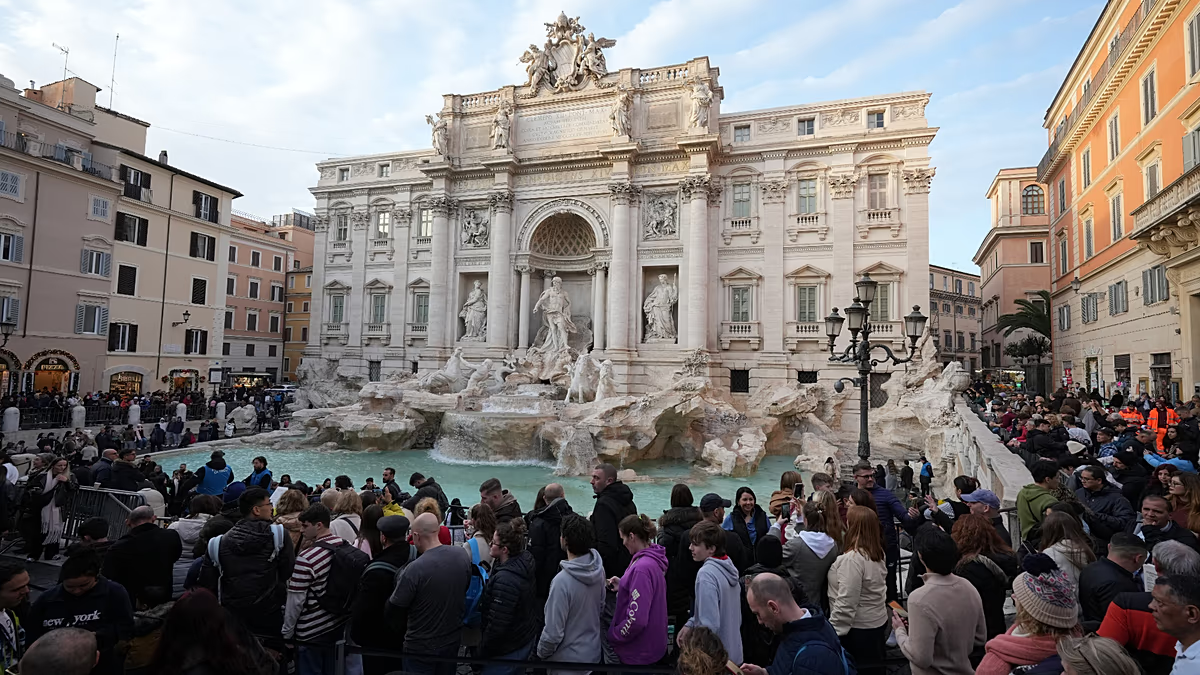
Rome’s Trevi Fountain to Introduce Visitor Fee in Effort to Combat Overtourism
In a significant shift for one of Rome’s most beloved landmarks, visitors to the Trevi Fountain will soon need to pay a fee to experience the iconic monument up close. Starting February 1, 2026, tourists wishing to descend the steps to the fountain’s basin—where tradition dictates tossing a coin over one’s shoulder to ensure a return to the Eternal City—will need to purchase a €2 ticket. This change marks Rome’s latest attempt to balance tourism with preservation, though viewing the magnificent Baroque masterpiece from the piazza above will remain free for all. The decision comes after city officials have observed the fountain becoming increasingly overcrowded, with as many as 70,000 visitors approaching the basin on peak days in 2024 alone.
Rome’s tourism councilor Alessandro Onorato has emphasized that the primary motivation behind the new fee isn’t financial gain but rather managing the overwhelming crowds that often engulf the 18th-century monument. “The goal is not to raise money,” Onorato explained to Italian newspaper Corriere della Sera, “but to lessen and control crowds, while stopping them from eating ice cream or pizza on a monument that deserves the proper respect.” The city has already been experimenting with crowd management techniques over the past year, implementing designated entrance and exit pathways and limiting how many visitors can approach the fountain at once. These measures have shown promising results, encouraging officials to take this next step in their sustainable tourism strategy. While the fee is modest, it’s expected to generate approximately €6.5 million annually, funds the city plans to direct toward maintaining Rome’s vast cultural heritage and improving visitor experiences.
The new system is designed to be minimally disruptive to the Trevi experience while maximizing its effectiveness in crowd control. Tickets will only be required during peak hours, from 9 AM to 9 PM, with access returning to free and open after nightfall when crowds naturally diminish. Rome’s residents will be exempt from the fee entirely, allowing locals to maintain their traditional relationship with this cherished landmark. Claudio Parisi Presicce, Rome’s chief art official, has reassured the public that “the view of the fountain will not be obstructed in any way” for those who choose not to pay. Visitors will have multiple convenient options for purchasing tickets, including online apps, a dedicated website, and participating hotels and businesses throughout the city.
This approach to managing tourism at the Trevi Fountain reflects a growing trend across Italy’s most visited cities, as authorities grapple with the challenges of overtourism. The Trevi initiative follows similar measures at Rome’s ancient Pantheon, which introduced an entrance fee in 2023, and Venice’s controversial day-tripper tax implemented the same year. These policies represent attempts to find sustainable solutions that balance tourism revenue—vital to Italy’s economy—with preservation of historical monuments and quality of life for residents. The Trevi Fountain, completed in 1762 and famously featured in Federico Fellini’s “La Dolce Vita,” attracts an estimated 9 million visitors annually, creating significant wear and tear on the structure and its surroundings.
Beyond the Trevi Fountain, Rome is extending its strategic approach to tourism management by introducing a €5 fee at five lesser-known historical sites, including the Villa of Maxentius on the ancient Appian Way. This dual strategy aims not only to generate maintenance funds but also to encourage tourists to explore beyond the city’s most famous attractions, potentially relieving pressure on overcrowded sites while showcasing Rome’s remarkable depth of cultural offerings. City officials hope these measures will help distribute tourism more evenly across Rome’s vast historical landscape while providing visitors with richer, more diverse experiences of the Eternal City’s heritage.
For travelers planning future visits to Rome, these changes represent a modest adjustment to the traditional Trevi experience rather than a fundamental alteration. The €2 fee—approximately the cost of an espresso at a nearby café—is unlikely to deter most visitors from participating in the time-honored ritual of tossing a coin into the fountain’s waters. What may change is the experience itself: with controlled access and reduced crowding, visitors might find a more contemplative atmosphere in which to appreciate Nicola Salvi and Giuseppe Pannini’s magnificent creation. As cities throughout Europe continue to refine their approaches to sustainable tourism, Rome’s Trevi Fountain experiment will be closely watched by tourism officials worldwide, potentially providing a template for protecting beloved landmarks while keeping them accessible to the millions who dream of experiencing their magic firsthand.