


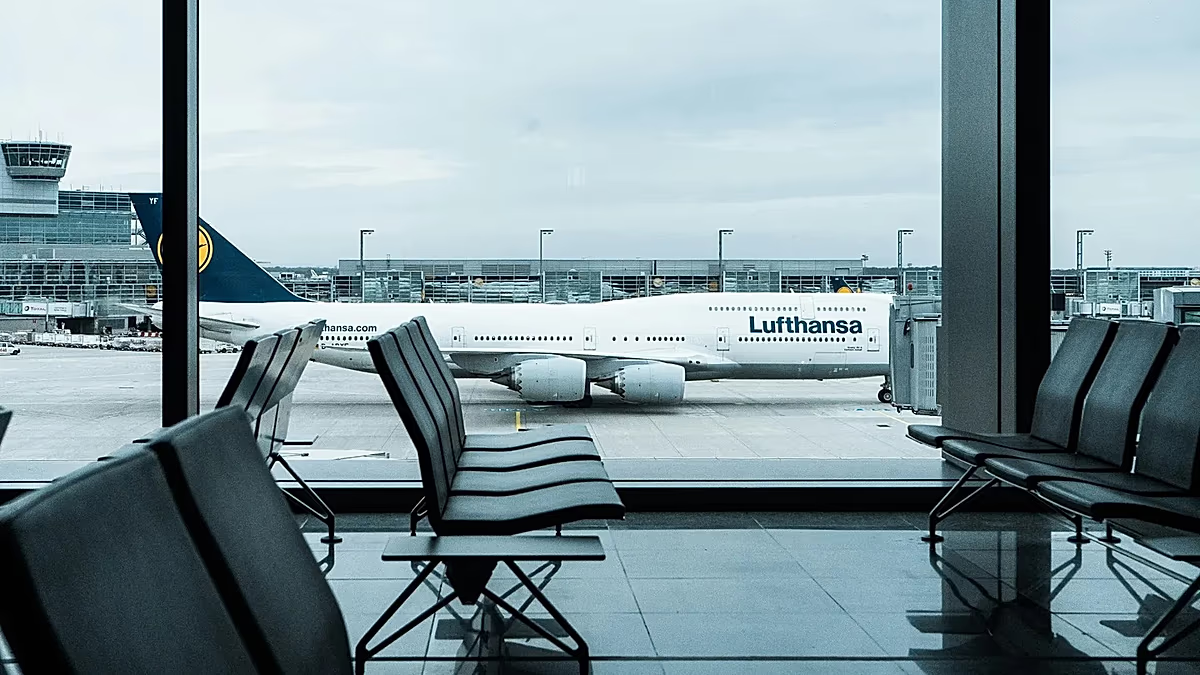
A Tense Stand-Off in the Skies: Pilots Gear Up for Disruption
Imagine waking up to the buzz of your phone alarm, ready for an early morning flight from Frankfurt or Munich, only to discover your Lufthansa plane isn’t going anywhere. That’s the reality facing tens of thousands of travelers as the German pilots’ union Vereinigung Cockpit (VC) gearing up for a major strike. On a chilly Saturday evening, VC announced a two-day walkout, hitting hard from midnight on Monday, April 13, all the way through until 11:59 p.m. on Tuesday, April 14. This isn’t just a minor hiccup; it targets pilots at Deutsche Lufthansa AG, Lufthansa Cargo AG, Lufthansa CityLine, and even Eurowings flights departing from German soil during those hours. With less than two days to spare before the chaos hits, passengers are scrambling for answers. It’s like planning a family vacation or an important business trip, only to have the rug pulled out from under you at the last second. VC, representing over 10,000 pilots across key German airlines, isn’t taking this lightly—it’s a calculated move in a prolonged battle over fair pay and working conditions.
The impact is staggering, especially at Germany’s busiest hubs. Air Traveler Club reports that at least 80% of flights from Frankfurt and Munich are at risk, potentially stranding more than 50,000 people. Picture airports packed with confused families, business travelers frantically checking apps, and flight crews bracing for the fallout. Flights that were meant to soar across Europe and beyond could be sitting idle on the tarmac, leaving backlogs that might ripple for days. For many, this means delayed meetings, missed connections, or even calling off plans altogether. It’s not just the numbers—it’s the human side: the anxious mother trying to get home to her kids, the tourist excited for a dream trip to Paris, now facing uncertainty. The airlines are in overdrive mode, but with such short notice, many passengers won’t know until the very last minute, heightening the frustration and stress of travel during what should be a routine journey.
At the heart of this strike are deep-rooted frustrations that have been simmering for months. VC accuses Lufthansa of dragging its feet on wage disputes, particularly pensions, and refusing to make any real negotiating moves. “We’ve deliberately held off from striking during Easter holidays, giving them ample time,” VC President Andreas Pinheiro declared, his voice echoing the union’s exasperation. “All they had to do was come to the table with serious offers. Instead, there’s been silence—no willingness to talk.” For pilots, who dedicate their lives to the skies, this feels like a slap in the face. They’re professionals who push through jet lag, tight schedules, and safety demands, yet management seems unmoved. It’s a story of everyday heroes feeling undervalued, pushing back against a system that feels unresponsive. This strike is their way of saying enough is enough, reminding everyone that behind the glamour of aviation, real people and real lives are at stake.
Lufthansa, headquartered in Cologne, isn’t sitting idle amid the brewing storm. As negotiations crumbled, the airline has pivoted to damage control, drawing on its vast network to soften the blow. “We’re doing everything we can to minimize the trouble for our passengers,” a spokesperson assured, sounding genuinely regretful. They’ll reroute flights using other Lufthansa Group carriers or partners, and for those hit hardest, Deutsche Bahn high-speed train tickets are on offer as an alternative lifeline. Affected travelers with tickets issued on or before April 11, booked on Lufthansa-operated flights—including CityLine—can rebook free of charge for dates between April 11 and 21, or request a full refund by April 13. It’s a band-aid on a big wound, and with call centers overwhelmed, updates might trickle in as late as April 12. The company added a heartfelt note: “We sincerely apologize for the short-notice disruption from VC and thank you for your patience.” It’s a nod to the human cost, acknowledging how these strikes disrupt lives and dreams.
This latest aviation upheaval didn’t emerge in a vacuum; it follows a turbulent weekend that left ripples across Germany’s skies. Just days before, on Friday, April 10, cabin crew from Lufthansa and Lufthansa CityLine faced their own day of industrial action, orchestrated by the Unabhängige Flugbegleiter Organisation (UFO). Airports in Frankfurt and Munich saw flight cancellations skyrocket, with The Independent estimating around 580 Frankfurt flights grounded, impacting up to 72,000 travelers. Imagine the scenes: terminals filled with stranded groups, luggage piled high, and announcements crackling through speakers about the reasons for the holdups. It was a stark reminder of aviation’s fragility, where ground staff play as crucial a role as pilots in keeping the wheels turning.
Like their pilot colleagues, UFO’s grievances boil down to pay and working conditions that feel ignored. After years of demands unmet, the union decided enough was enough, calling for a full-day strike to spotlight their plight. “Management has flat-out refused to even negotiate on a social plan or submit workable offers,” UFO stated pointedly, painting a picture of a workforce feeling sidelined and undervalued. Cabin crew juggle customer service, safety protocols, and long hours, often at the mercy of management’s priorities. This strike was their loud cry for respect and fair treatment, echoing the pilots’ frustrations and highlighting a broader malaise within Lufthansa. As the skies clear from one disruption, another looms, leaving passengers and staff alike wondering when the turbulence will finally settle. It’s a poignant tale of labor in the modern age, where essential workers fight for dignity in an industry that’s both vital and volatile.