


Poland’s Growing Allure: The Emerging Winter Destination of Europe
In recent years, Poland has emerged as one of Europe’s most compelling winter destinations, experiencing a remarkable surge in tourism during the festive season. According to recent data from Kiwi.com, travel bookings to Poland have increased by over 55 percent year-over-year, with this growth trend showing no signs of slowing down. This newfound popularity isn’t merely coincidental; it stems from a perfect blend of authentic cultural experiences, festive ambiance, and economic practicality that increasingly resonates with modern travelers. As traditional European Christmas destinations become overwhelmed with tourists and prices continue to climb, Poland offers a refreshing alternative that doesn’t compromise on quality or experience. Cities like Kraków and Warsaw have been particularly successful in capturing the imagination of international visitors, with their spectacular Christmas markets earning recognition as some of the most atmospheric in Europe according to Travel and Tour World experts.
What makes Poland particularly appealing is its accessibility both financially and logistically. In an era where European travel often strains budgets, Poland stands out as a destination where money stretches further without sacrificing authentic experiences. The average cost of an air ticket to Poland during the festive period this year was €123, representing a €10 decrease from the previous year. Even more impressive, long-haul flights saw reductions of up to 23 percent, making Poland increasingly accessible to visitors from distant locations. This affordability extends beyond transportation to accommodations, dining, and activities within the country itself. Tourists are responding to these favorable conditions by planning their trips with greater foresight, booking tickets an average of 54 days in advance, though interestingly, their stays are becoming more concentrated—averaging six days, which is two days shorter than in 2024. This pattern suggests visitors are becoming more focused and intentional with their Polish winter experiences, perhaps concentrating on specific festivities or attractions.
The culinary landscape of Poland has become a significant drawing factor for international travelers seeking authentic gastronomic experiences. Foreign guides and culinary websites increasingly highlight Poland’s rich traditional cuisine, encouraging visitors to sample seasonal specialties that have been perfected over generations. During the winter months, travelers can indulge in hearty comfort foods like pierogi (traditional Polish dumplings with various savory fillings), barszcz z uszkami (a distinctive Christmas Eve soup served with small dumplings), and makowiec (a delectable poppy seed cake often enjoyed during festive celebrations). These dishes not only satisfy the appetite but also provide a tangible connection to Polish culture and traditions, offering visitors a deeper understanding of the country’s heritage through its flavors and cooking techniques. The emphasis on seasonal ingredients and time-honored recipes creates an immersive cultural experience that many travelers now prioritize over more superficial tourist attractions.
The geographic diversity of visitors heading to Poland during the winter season is particularly noteworthy, with significant growth from both neighboring countries and more distant European nations. Romanian tourists have shown exceptional enthusiasm, with bookings to Polish cities during the festive period increasing threefold compared to the previous year. This surge is facilitated by convenient direct flights from Bucharest to major Polish destinations like Gdańsk, Warsaw, Wrocław, and Kraków, operated by carriers including Wizz Air, Ryanair, and LOT. Beyond Romania, Poland has captured the attention of travelers from across Europe, with established interest from Sweden, Germany, Greece, France, Denmark, and the Czech Republic. Perhaps most telling of Poland’s expanding appeal is the marked increase in visitors from Portugal, the Netherlands, and Lithuania—countries that historically may not have considered Poland a prime winter destination. This geographic diversification suggests that Poland’s winter attractions have universal appeal that transcends traditional tourism patterns.
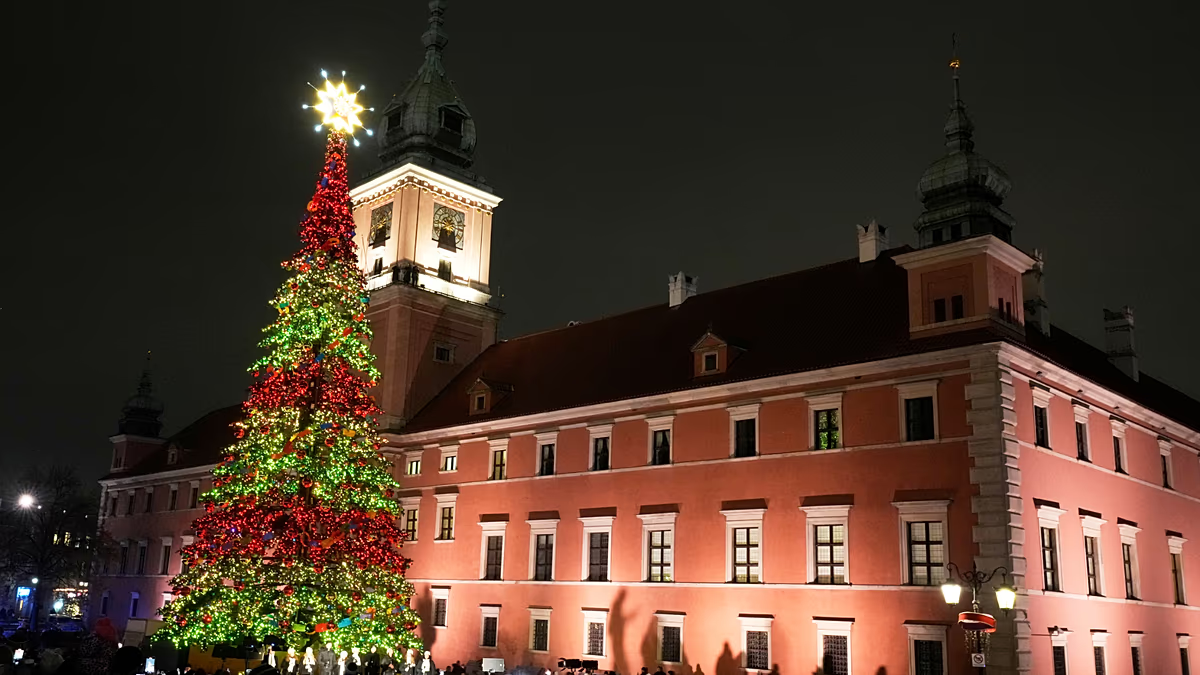
The cities of Kraków and Warsaw have become the standard-bearers of Poland’s winter tourism renaissance, each offering distinctive experiences while maintaining the authentic Polish character that visitors increasingly seek. Kraków, with its medieval architecture and cobblestone streets, transforms during the winter months into what many consider one of Europe’s most enchanting Christmas destinations. Its market square, the largest medieval town square in Europe, becomes a wonderland of twinkling lights, traditional wooden stalls, and the aromatic blend of mulled wine and freshly baked treats. Meanwhile, Warsaw balances its modern metropolitan energy with thoughtfully preserved historical elements, creating a winter experience that appeals to diverse traveler preferences. Both cities benefit from affordability compared to Western European counterparts and increasingly convenient flight connections from across the continent. Their success demonstrates how Poland has effectively leveraged its cultural heritage and modern infrastructure to create winter destinations that feel both authentic and accessible.
Looking ahead, industry experts predict that Poland’s trajectory as a premier European winter destination will continue to strengthen, potentially challenging the dominance of traditional favorites like Austria and Germany. The hospitality sector is poised for exceptional growth, with hotels and restaurants preparing for increasingly prosperous winter seasons. What distinguishes Poland’s appeal is that it extends beyond merely spectacular illuminations and seasonal decorations—though these are certainly present—to encompass a deeper sense of place, tradition, and genuine hospitality. As travelers increasingly seek meaningful experiences over manufactured tourist attractions, Poland’s authentic winter celebrations, deeply rooted in cultural traditions yet accessible to outsiders, perfectly align with contemporary tourism trends. The remarkable growth in visitor numbers suggests that Poland has succeeded in creating not just a seasonal attraction but a sustainable winter destination that resonates with the evolving preferences of European travelers. For those in the tourism industry, the signs point to Poland becoming a permanent fixture in Europe’s winter travel landscape for years to come.