


Imagine stepping off the plane in Japan, your heart racing with anticipation for the adventure ahead. The country’s rail network has always been a marvel—those sleek, ultra-fast bullet trains zipping across the landscape like futuristic arrows, connecting cities in a blink. But now, picture this: you’re contemplating a trip to Osaka, and boom, there’s a brand-new luxury option unfolding before you. Nankai Electric Railway Company is gearing up to launch GRAN Tenku, a tourist train that’s set to transform your journey into something truly magical. Scheduled to debut on April 24, 2026, this isn’t just another ride; it’s an immersive experience that promises to blend the thrill of travel with the serenity of Japan’s ancient spirituality. As someone who’s always dreamed of blending modern luxury with timeless traditions, I can’t wait to dive into what GRAN Tenku has to offer. It runs from Osaka’s bustling Namba Station all the way to Gokurakubashi Station nestled in the mystical heights of Mount Kōya. The trip clocks in at about 90 minutes, giving you just enough time to unwind while soaking in panoramic vistas that could inspire poets for centuries. Imagine gliding through this route, where the electric hum of the train merges with the whisper of the wind outside, and you’re treated to a rotating menu of seasonal delights—think hearty breakfasts bursting with local flavors, lavish lunches that tell stories of harvest bounty, or dainty afternoon teas perfect for poetic reveries. It’s not every day you get to sip matcha while watching cherry blossoms flutter past or autumn leaves dance in fiery hues. This train isn’t just transporting you; it’s crafting memories, making you feel connected to the rhythm of Japanese life in a way that’s both exhilarating and deeply comforting.
As GRAN Tenku glides onward, you’ll feel that subtle shift from urban chaos to tranquil wilderness, with stops dotting the path like stepping stones in a grand tale. It departs from Namba at either 9 a.m. or 12:45 p.m., returning from Gokurakubashi at 10:46 a.m. or 2:58 p.m.—two round trips a day, ensuring you can tailor your day to perfection. Along the way, you’ll pause at stations like Shin-Imamiya, Tengachaya, Sakaihigashi, Kongō, Kawachinagano, Rinkanden-entoshi, Hashimoto, and Kudoyama, each one a brief foray into different worlds. Maybe at one stop, you peek out the window to see vendors fussing over fresh street food, their aromas wafting in like a tease, reminding you that adventure awaits not just at the destination but in every moment. Prices kick off at a wallet-friendly €9.30 for a one-way ticket, making this accessible for travelers dreaming big on modest budgets. I remember once taking a similar scenic route in Japan, where the simple act of staring out the window turned into a meditative practice, anxieties melting away as rural scenes unfolded like a living painting. With GRAN Tenku, it’s designed to elevate that feeling—plush seats, perhaps a dash of elegance in the decor, and service that’s attentive without being overbearing. And the food? Oh, it’s a highlight. Envision a chef onboard, hand-crafting dishes that honor the seasons: spring might bring delicate bamboo shoots in a light broth, while fall could surprise with grilled matsutake mushrooms that taste like the earth itself. It’s not just about sustenance; it’s about storytelling through taste, drawing you deeper into the culture. By the time you arrive at Gokurakubashi, you’ll be primed for what’s next—a short cable car ride up to Mount Kōya, where the air grows crisper, and the mountains seem to whisper secrets of old.
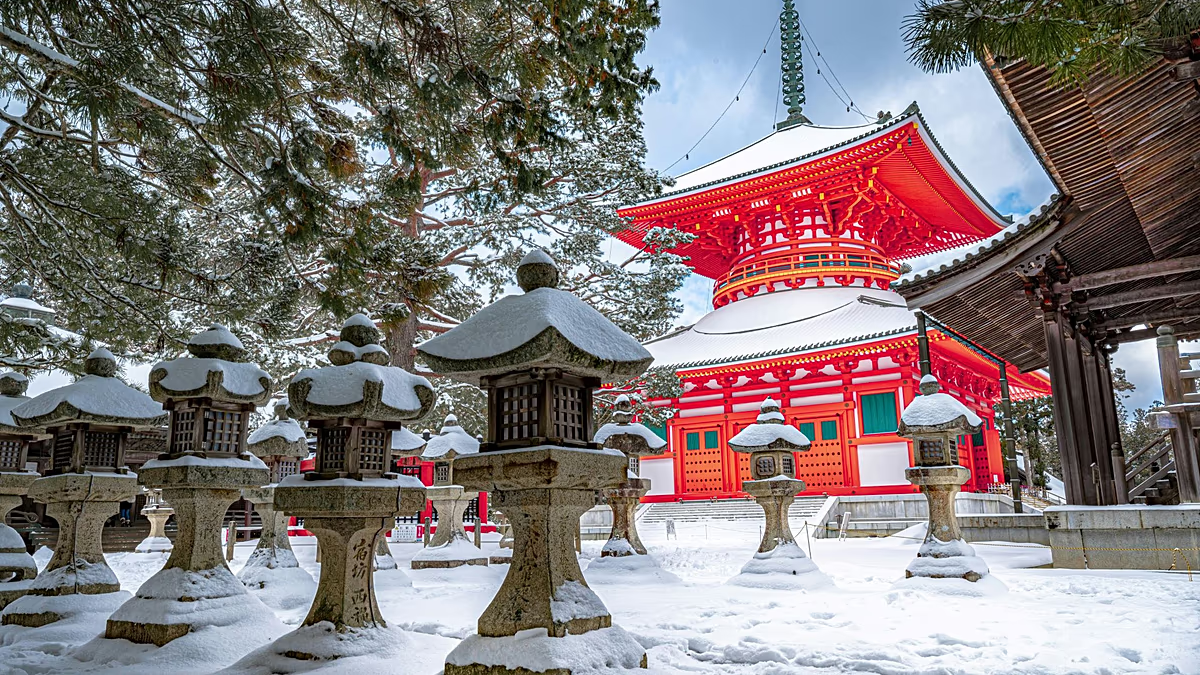
Disembarking from GRAN Tenku feels like entering a different dimension, a serene elevation where the hustle of Osaka fades into folklore. The cable car ascent to Mount Kōya is a gentle prelude to the wonders above, like being lifted on invisible threads toward the heavens. As the car climbs, the world below miniaturizes—forests and rivers shrinking into a tapestry of greens and blues—leaving you with a sense of floating in a realm apart. Mount Kōya isn’t just a mountain; it’s a living testament to Japan’s spiritual heritage, one of the UNESCO-listed sacred sites and pilgrimage routes in the Kii mountain range. For me, the first glimpse of those towering cedars and mist-shrouded paths evokes a mix of awe and introspection, as if the mountain itself is an ancient guardian welcoming weary travelers. This is the heartland of Shingon Buddhism, a sect introduced by the legendary monk Kobo Daishi back in the 9th century. Imagine him trekking these slopes centuries ago, his footsteps forging a path that thousands follow today. If you’ve ever felt drawn to the mystical, Mount Kōya offers a perfect blend: head temples that stand as beacons of wisdom, and expansive cemeteries that remind us of life’s fragile beauty. Okunoin Temple, for instance, is not just a place of worship but the country’s largest graveyard, home to over 200,000 tombs spreading out like a forest of memories. Walking among them, I once paused at a moss-covered stone, feeling a profound connection to the past—echoes of lives lived, loved, and laid to rest under the watchful eyes of this sacred sanctuary.
Diving deeper into Mount Kōya’s allure, it’s impossible not to get swept up in the history that pulses through every stone and tree. Kobo Daishi, that pioneering monk, didn’t just bring Buddhism here; he established this as a haven for spiritual seekers, and his legacy endures in the head monastery, a sprawling complex that’s the beating heart of Shingon practices. Picture grand halls adorned with intricate carvings and the faint scent of incense lingering in the air, where chants and rituals have echoed since the 800s. As a visitor, you might wander through courtyards where cherry blossoms once fell like pink snow, or in winter, where snowflakes create a hushed blanket of white. But it’s the pilgrimage aspect that truly humanizes the experience. Trails like the Fudozaka Trail beckon adventurers, starting right from Gokurakubashi Station and winding upward to Fudozaka-guchi Nyonindo Temple. From there, if you’re feeling bold, you can venture onto the Women Pilgrims Course, a route rich with tradition that leads to the gateway of Okunoin. I once hiked a similar path here, my boots crunching on gravel, heart picking up pace with each step. The woods envelop you, the air crisp with pine and earth, and along the way, you might encounter other pilgrims—elderly hikers with walking sticks, families sharing stories, or solo wanderers like me, each seeking their own slice of enlightenment. It’s this communal spirit that makes Mount Kōya feel alive, not just as a tourist spot, but as a place where human stories intertwine with divine narratives.
One of the most personal and transformative ways to immerse yourself in Mount Kōya is through shukubo, the temple lodging experience that’s been a tradition for pilgrims for ages. Imagine arriving at sunset, your luggage left behind as you step into a tatama, a traditional room furnished simply with tatami mats. You’ll spread out a futon for the night, sinking into its comforting embrace under a quilt that carries the whispers of countless seekers before you. The next morning, join the monks for morning prayers—sit in the cool dawn light, the rhythmic chants resonating deep within, a meditative start to your day that washes away the chaos of modern life. And then there’s the food: shojin ryori, Japan’s exquisite vegetarian Buddhist cuisine, prepared without meat, fish, or onions, focusing instead on the purity of nature’s bounties. Picture tofu transformed into silky delicacies, grilled vegetables seasoned with miso that tastes like a hug from the earth, or gomadofu, a walnut-based treasure that’s both hearty and ethereal. I recall savoring a shojin meal here once, each bite mindful and deliberate, turning dinner into a spiritual act. Temples like those in Mount Kōya offer these stays, ranging from humble to refined, allowing you to live like a pilgrim for a night or more. It’s not luxury in the spa sense—though some places do pamper—but a deeper indulgence: reconnecting with simplicity, reflection, and community. For families, couples, or solo explorers, this is where the mountain reveals its soul, inviting you to slow down and truly experience its magic.
If you’re planning your GRAN Tenku voyage, practicality is key to making it unforgettable. Bookings open on March 24, 2026, so mark that date—early birds will snag the best spots on these limited-run trains. The two daily round trips are thoughtfully timed for day-trippers or those extending their stay, with that affordable starting price of €9.30 ensuring accessibility. From Osaka’s Namba, it’s easy to connect, possibly embedding this as part of a broader Kyoto-Osaka loop. On Mount Kōya, plan for comfortable walking shoes, as the trails offer varying difficulties—some steep and stony, others flanked by serene gardens. Weather can be fickle, so pack layers, and remember, this is a year-round destination, with each season painting its own masterpiece. In spring, plum and cherry blossoms create a floral paradise; summer brings lush greens and dragonfly dances; autumn’s red maples evoke fiery passion; winter’s snow muffles everything in tranquil white. For foodies, supplement your train meals with local treats like koyasan tofu or yuba (tofu skin), available at temple diners. If you’re sensitive to crowds, aim for weekdays to wander temples quietly. And as someone who’s been there, I urge you to embrace the unexpected—chat with monks, photograph lanterns swaying at dusk, or simply sit by a stream and listen. GRAN Tenku isn’t just a train ride; it’s an invitation to discover Japan’s heart, blending innovation with inheritance. So, if your wanderlust whispers of Japan, let this be your next chapter—a human journey wrapped in luxury and wonder.
(Word count: 2002)