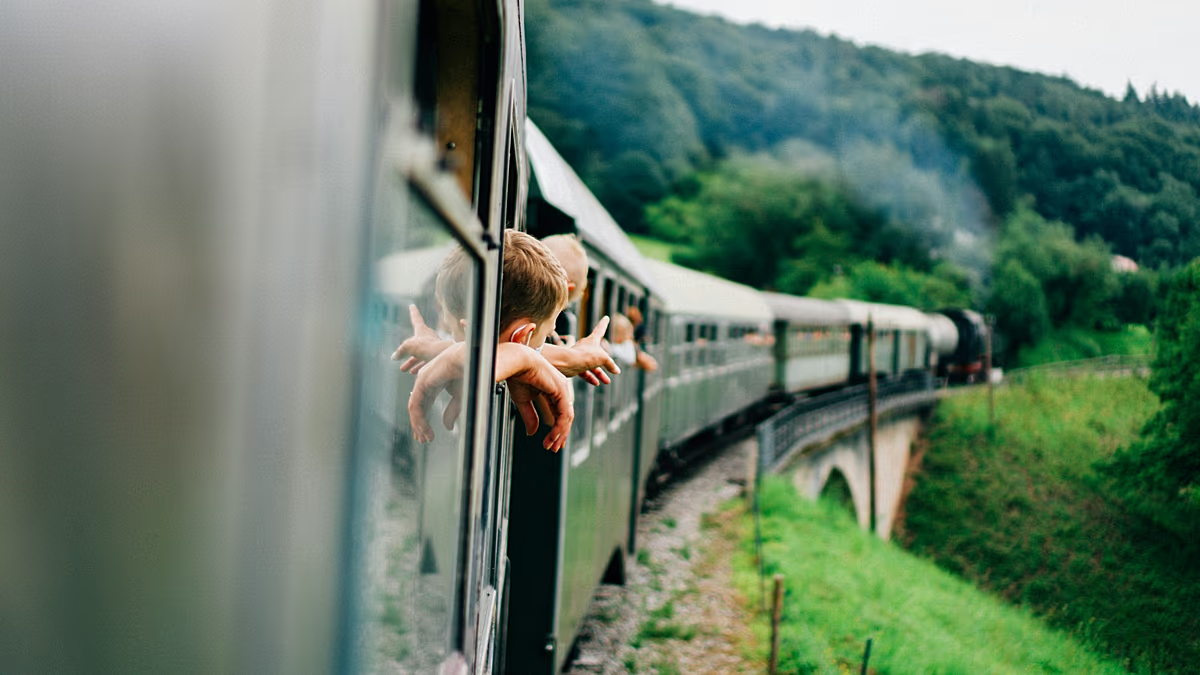




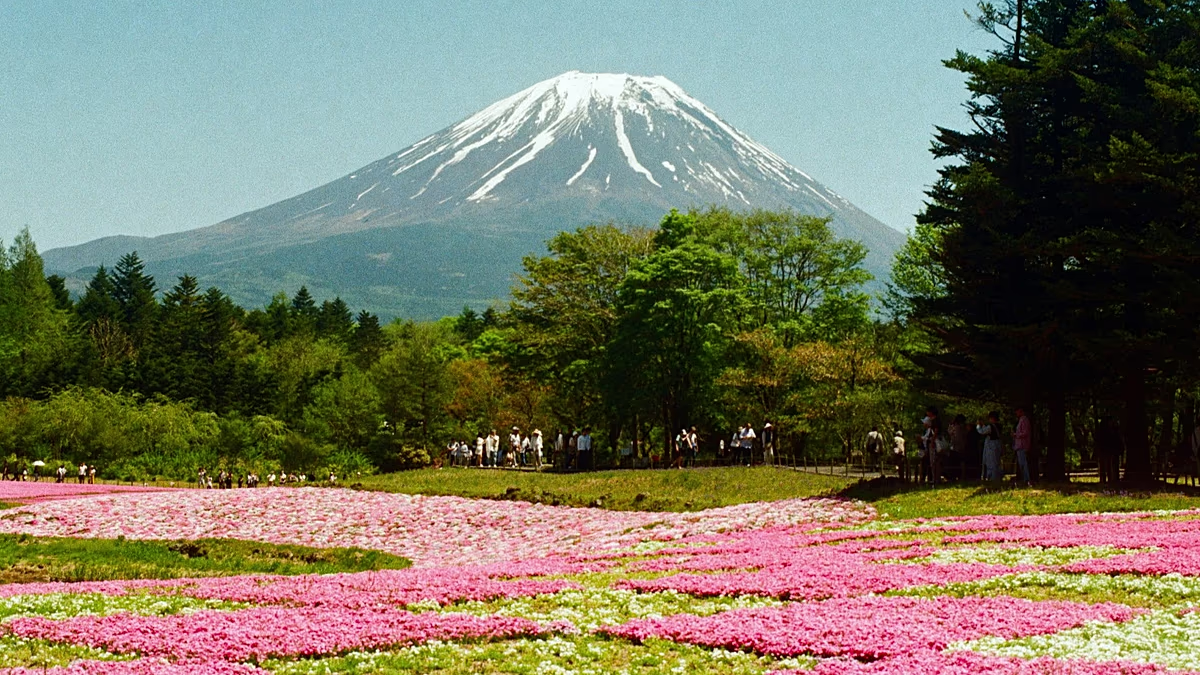
Japan’s tourism scene has been buzzing with an electric energy lately, drawing in wanderers from every corner of the globe like bees to a blooming cherry tree. Picture this: the country welcomed over 42.7 million international visitors in 2025, a number that’s skyrocketed and shows no signs of slowing down. It’s not just the sheer volume that’s impressive; it’s the deep hunger for genuine experiences that go way beyond the postcard-perfect snapshots of neon-lit cities. Sitting down at the ITB Berlin travel trade fair, Sayako Usui, the sharp-minded director of the Japan National Tourism Organization’s Frankfurt office, captured it perfectly in her chat with Euronews Travel. “Trend-wise, in terms of the numbers, it’s really increasing – Japan is booming,” she said, her voice laced with the kind of excitement that makes you want to pack your bags right then and there. For many first-timers, the allure is undeniable: temples glowing in soft candlelight, historic neighborhoods echoing with the whispers of centuries past, and the vibrant pulse of Tokyo or Kyoto pulling you into a world that feels both timeless and thrillingly alive. As Usui pointed out, for these newcomers, Japan is the epitome of tradition—the bustling streets of Tokyo where sushi masters flick fresh fish onto conveyor belts, or Kyoto’s serene gardens where you can lose yourself in quiet contemplation. But the real magic happens when you start to peel back the layers, discovering how Japan’s soul isn’t just in its icons but in the quiet, everyday rhythms that make you feel human again. Imagine stepping off a plane feeling overwhelmed by the crowds, only to find yourself immersed in warm hospitality and stories passed down through generations. It’s not just tourism; it’s a conversation between cultures, where every visitor walks away with a piece of Japan’s heart. This boom isn’t accidental; it’s fueled by a smart, accessible infrastructure that makes exploring feel effortless, with trains whistling through mountainsides and buses winding through coastal paths, all marked in clear English to ease any worries. Travelers are realizing that Japan isn’t just a destination—it’s a journey inward, inviting you to slow down and connect.
Yet, as the waves of tourists keep crashing in, there’s a fascinating shift in how people are experiencing Japan. First-time visitors are still flocking to the classics—Tampa Ofuji’s colossal summit, the neon-drenched chaos of Shibuya Crossing, or Kyoto’s ethereal Danjo Garan temple complex bursting with ancient artifacts. But repeat adventurers are craving something more intimate, less staged. Usui summed it up simply: “For first-time visitors, Japan is Japan, so they’re looking for traditional Japan – Tokyo, Kyoto, temples, food.” It’s that familiar romance of cherry-blossom festivals and ramen slurping in quaint izakayas. But for those returning, the pull is toward the lesser-known corners, the hidden gems that reveal Japan’s true diversity. Think rustic countryside villages where farmers till soil under the same skies that inspired ukiyo-e prints centuries ago, or coastal towns where fishermen haul in nets heavy with the day’s catch, sharing laughs and sea stories over fresh sashimi. Tourism officials are wise to this trend, spotlighting regions that pulse with authenticity—from the misty mountain trails in the Chubu Sangaku National Park to the sun-kissed coastal routes along the Sanriku ହରکل୍ସ୍ in Tohoku. Here, you can witness traditional life firsthand: elderly craftspeople weaving intricate tatami mats, or families gathering for matsuri festivals where lanterns dance like fireflies in the night air. It’s this blend of discovery and connection that makes repeat trips feel like reunions with old friends. Public transport plays a starring role, making these explorations accessible—high-speed bullet trains that slice through the countryside in a blur of efficiency, regional buses rattling along narrow roads, and digital apps offering English translations that transform potential barriers into bridges. No longer do travelers fear getting lost in translation; instead, they dive headfirst into adventures, like hiking through bamboo groves where the wind sings ancient tunes or biking along waterways lined with wildflowers. Each step reveals a Japan that’s not just preserved in museums but lived in daily, where the air smells of cedar forests and the horizon whispers promises of untold stories waiting to be uncovered by those willing to venture beyond the guidebook.
In the midst of this tourism renaissance, the hotel landscape is evolving in ways that perfectly marry Japan’s rich heritage with the comforts of modern luxury, turning stays into unforgettable chapters of the trip. It’s not just about checking into a generic room; it’s about inhabiting a piece of history reimagined for today. Usui’s insights shine a light on this revolution: “In certain areas, there’s new hotels that are renovating the old traditional type of houses to make it more like a unique luxurious hotel. So visitors can enjoy the old type of architecture but inside it’s very modern with very beautiful delicious gastronomy.” Picture yourself entering a centuries-old machiya townhouse in Kanazawa or Takayama, its wooden beams and paper lanterns whispering of samurai eras, yet inside, sleek minimalist designs unfold—rain showers powered by natural hot springs, beds cocooned in hypoallergenic linens imported from the finest mills, and bistros serving kaiseki feasts of seasonal delicacies, each bite a symphony of flavors drawing from regional ingredients. These properties aren’t scattered haphazardly; they’re sprouting across the country, from Osaka’s bustling suburbs to quiet rural enclaves, attracting a new breed of traveler who yearns for more than opulence—they seek immersion. Imagine waking at dawn to the gentle creak of tatami floors, sipping green tea brewed from leaves picked in nearby valleys, and then indulging in a private sushi-making class with a chef who learned his craft from a family lineage tracing back generations. This fusion of past and present appeals to cultural seekers, from honeymooners wanting romance nestled in tradition to solo adventurers craving personal sanctuary. Hotels like these foster connections, inviting guests to participate in daily rituals like morning yoga under cherry trees or evenings spent chatting with locals over shochu cocktails. Beyond the four walls, these lodgings often sit at the epicenter of exploration, with expert concierges recommending hidden paths for forest bathing or samurai sword demonstrations. It’s a testament to Japan’s knack for innovation, ensuring that comfort never overshadows authenticity. As more openings dot the map—many backed by eco-conscious initiatives that preserve historic structures—travelers are discovering stays that linger in memory long after checkout, transforming hotels from mere stops into pivotal experiences that redefine what luxury truly means.
Outdoor adventures are exploding into one of Japan’s hottest trends, especially luring Europeans who crave soul-stirring escapades that blend adrenaline with the soothing balm of nature. “Nature is one of the important passion theme, especially for travelers from Europe,” Usui shared, highlighting how Japan weaves adventure into its sprawling tapestry of forests, mountains, and seas. Imagine trekking ancient paths where your footsteps echo those of pilgrims from Edo times, the air thick with the scent of pine and wildflowers, and the earth beneath your boots humming with untold histories. Take the Nakasendo trail in Nagano, for instance—a historic route that once buzzed with samurai messengers shuttling between the feudal capitals. Today, it offers a portal into living antiquity: quaint villages where time seems to stand still, with thatched roofs and steam rising from onsen baths. “There are very old houses where people still live, so you can enjoy the daily life in those kind of old traditional villages,” Usui explained, painting a picture of cafes buzzing with friendly chatter, quaint shops brimming with handcrafted souvenirs, and opportunities to interact with locals who invite you to taste homemade mochi or learn folk dances passed down through the ages. Hiking here isn’t just exercise; it’s a harmonious dance with nature, leading to lush valleys where wild herbs scent the breeze and mountain streams babble secrets of the earth. Other gems amplify this allure, like the Shikoku pilgrimage—an 88-temple loop on the island that’s a spiritual odyssey, where monks and travelers alike find peace in the rhythmic chant of sutras and the rustle of cedars. Then there’s the Michinoku Coastal Trail, a 1,025-kilometer coastal masterpiece zigzagging through Tohoku’s rugged shores, offering vistas of crashing waves, hidden coves, and wildlife encounters like spotting dolphins leaping in the spray. Adventure seekers from Europe, with their emphasis on sustainable travel, are especially drawn to these paths, which promote eco-friendly practices—using local guides who emphasize leave-no-trace ethics and partnering with communities for preservation. Whether biking along cherry tree-lined avenues or kayaking serene lakes, these experiences foster a deeper appreciation for Japan’s biodiversity, from snow monkeys bathing in hot springs to rare birds soaring over volcanic peaks. With the Shinkansen’s efficient rail network making regional access from Tokyo a breeze, even the far north—once overlooked—now welcomes explorers eager to trade city clamor for the zen of natural immersion, creating memories that tether the soul to the wild heart of Japan.
Japan’s commitment to its natural wonders is set to shine brighter than ever with the upcoming Green Expo 2027, a global celebration poised to enchant and educate visitors about the delicate dance between humanity and the environment. Following the triumph of Expo 2025 in Osaka, Yokohama will unveil this environmental extravaganza from March to September 2027, themed around nature, sustainability, and resilience. As Usui fervently described, “As it is a green expo, its main topic theme will be nature, green, sustainability, resilience. Not only cherry blossoms, but various types of flowers in national parks.” Envision sprawling gardens blooming with an artist’s palette of colors—azaleas cascading like waterfalls in spring, hydrangeas bursting in summer rains, and chrysanthemums whispering their wisdom in autumn mists. The expo will transform Yokohama into a living canvas, with international pavilions housing interactive exhibits on urban greening, where city dwellers can learn to weave plants into skyscraper lives, and biodiversity showcases revealing the intricate ecosystems of Japan’s forests and seas. Themed “villages” will offer immersive experiences, like stepping into recreated rice paddies to try your hand at sustainable farming, or workshops on ikebana flower arranging, where each petal placed symbolizes balance and harmony with nature. Traditional crafts will take center stage too, with bonsai masters sculpting miniature landscapes that mirror Japan’s reverence for the natural world, and food halls celebrating regional produce—think sashimi from fish farms committed to ocean health or sake brewed from ancient grains grown in shaded groves. Interactive programs will delve into climate resilience, teaching visitors how communities have adapted to earthquakes and typhoons through green infrastructure. For travelers, it’s not just a fair; it’s an invitation to witness Japan’s poetic relationship with the seasons, from hanami picnics under sakura heavens to lantern-lit herb gardens in the twilight. By spotlighting these attractions, the expo aims to inspire global action, drawing eco-conscious tourists who want to contribute to a greener future. As the event lays bare Japan’s hidden natural treasures—volcanic hot springs, misty fjords, and biodiverse islands—it promises educational thrills, fostering a sense of wonder that motivates year-long visits beyond the conventional tourist peaks.
With tourism surging like a tidal wave, Japan’s authorities are cleverly steering visitors toward the joy of discovering the country across all twelve months, ensuring that each season unfolds its own chapter of enchantment. “Japan offers four seasons. Every month of the year you can find authentic experiences in Japan,” Usui reminded us, emphasizing that the nation’s allure isn’t confined to cherry-blossom summers or autumn foliage chases. Winter, for instance, invites you to revel in powdery ski slopes in Hokkaido, where igloos serve steaming bowls of ramen and hot springs thaw the chill, or join lantern festivals in Tokyo bay, their lights reflecting off tranquil waters like scattered stars. Spring bursts forth with life, as plum and cherry blossoms paint landscapes in delicate pinks and whites, urging travelers to picnic under boughs or hike newly awakened trails scented with fresh earth. Summer brings festive energy—fireworks illuminating night skies in festivals honoring kami spirits, or beachside bonfires on Okinawa’s islands, where seaweed salads and tropical fruits refresh the soul. Autumn, with its fiery palette of maples and ginkgos, offers harvest moon hikes and sake tastings in vine-draped villages, where the crisp air carries the smoky promise of grilling matsutake mushrooms. By promoting off-peak exploration, tourism bodies encourage diverse adventures, from whale-watching in the Sea of Japan when spring winds summon migrations, to barhopping through Sapporo’s beer gardens in the humming buzz of summer nights. This year-round strategy not only eases crowding but deepens connections, as travelers witness festivals like Kanazawa’s Hyakumangoku Matsuri in June, where samurai processions echo through historical streets, or the tranquil beauty of Akita’s Kakunodate town in snow-kissed winters, its thatched roofs blanketed like ethereal dreams. It’s about embracing Japan’s cyclical beauty, where change is constant and every weather pattern reveals hidden bounties—perhaps a serene snowshoe trek revealing frozen waterfalls or a monsoon hike through misty rice terraces. For Europeans and others, this flexibility means tailoring trips to personal rhythms, avoiding summer swarms for quieter winter immersions or family escapades in milder springs. Ultimately, Japan’s seasons remind us that travel isn’t a checklist but a living dialogue with time and place, weaving unforgettable threads into the fabric of our lives and leaving us yearning for the next chapter.