





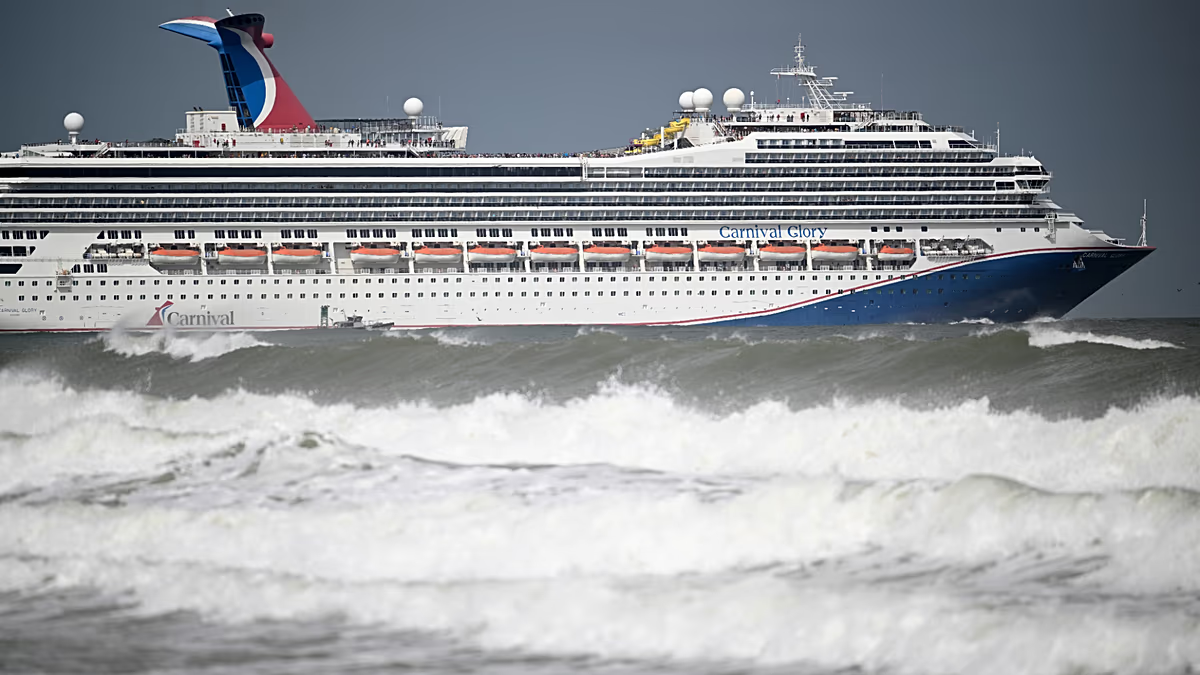
Imagine stepping onto the sun-drenched deck of a massive cruise ship, the salty ocean breeze whipping through your hair as you watch the shoreline fade into the horizon. For many, this isn’t just a vacation—it’s a transformative experience that connects people with new places, cultures, and adventures. And as David Del Valle, a travel enthusiast and commentator, I’ve seen firsthand how these floating cities do more than ferry passengers; they act as economic engines that breathe life into coastal communities around the globe. The latest report from the World Travel and Tourism Council (WTTC), titled “Cruising for Impact,” underscores this beautifully. It’s not just data—it’s a story of how cruises are linking dreams to realities, boosting local economies and creating jobs in places that might otherwise struggle. The core takeaway is powerful: for every 20 cruise passengers, the industry generates one full-time job worldwide. Think about that. Picture a family from a bustling city like New York embarking on a Caribbean cruise. They’re not aware that their trip is helping hire a local shopkeeper in a quaint port town, or a chef preparing authentic dishes aboard the ship. This isn’t abstract; it’s tangible impact, reminding us that travel isn’t insular—it’s a web connecting lives across borders. The report paints cruises as bridges, not just vessels, fostering development in coastal areas where waves of travelers translate into waves of opportunity. I’ve encountered this in my travels, like the time I docked in a small Mediterranean village and saw how a single week’s worth of passengers revitalized local artisans, their markets buzzing with energy. It’s a ripple effect, proving that cruises aren’t extravagant indulgences but vital contributors to global prosperity. In total, the industry generated 1.8 million jobs in 2024, with nearly 80% of those on land—farmers, guides, hotel staff, and more—solidifying their role in lifting communities. This economic boost isn’t isolated; it’s a symphony of progress that echoes from ship to shore, making destinations more vibrant and resilient.
Diving deeper into the numbers, the WTTC report reveals a macroeconomic powerhouse that’s hard to ignore. Cruises pumped $98.5 billion directly into the global GDP—that’s about €90.6 billion in euros—and generated a staggering total economic output of $199 billion, or €183 billion. Add to that $60.1 billion in wages worldwide, and you see how this industry isn’t just skimming the surface; it’s delving deep, creating wealth that filters down to everyday workers. I’ve spoken with many who work in these coastal economies, folks like Maria in a Puerto Rican port, who went from struggling through the off-season to thriving thanks to cruise visitors buying her handmade crafts. Or consider the dockworkers in Southampton, England, their paychecks fattened by the steady flow of ships. It’s stories like these that humanize the stats—how a single dollar spent on a cruise excursion might fund a family’s grocery bill or a child’s school uniform. The report emphasizes that this isn’t money vanishing into thin air; it’s reinvested into infrastructure, from renovated piers to community projects. As someone who’s watched ports evolve over the years, I can attest to the tangible changes: cleaner waters, safer streets, and a palpable sense of pride among locals. Cruises are like benevolent giants, stepping lightly but leaving lasting footprints of prosperity. They remind us that travel can be a force for good, especially in regions hit by economic downturns, where these contributions act as lifelines. It’s a cycle of growth, where leisure spending fuels livelihoods, and livelihoods enhance the very experiences travelers seek, creating a harmonious loop that benefits everyone involved.
What truly fascinates me about the WTTC findings is how cruises act as gateways to new adventures, sparking a thirst for return visits that keeps communities buzzing long after the ship sails. The report notes that more than 60% of passengers end up revisiting destinations they first discovered on a cruise. Imagine a college student on their first trip to Alaska, awed by glaciers and wildlife, only to return years later with friends for a deeper exploration. Or a couple strolling the colorful streets of Cartagena, Colombia, initially just a stopover, but now a beloved annual pilgrimage. This phenomenon positions cruises as catalysts for “new markets,” transforming fleeting stops into enduring tourist magnets. It’s about creating memories that linger, encouraging people to go beyond the ship and engage with the land. In my own adventures, I’ve seen this play out—once, after a cruise to the Azores, I couldn’t resist returning to hike volcanic trails and savor the local seafood. The industry is essentially a scout, scouting untapped gems and broadcasting them to the world. This long-term demand generation isn’t accidental; it’s strategic, fostering loyalty that spells economic stability for destinations. Ports that were once sleepy fishing villages now hum with international visitors, their economies diversified and fortified against seasonal slumps. It’s a beautiful interplay: cruises introduce, and then the passengers’ repeat visits sustain, weaving a tapestry of sustained growth that benefits airlines, hotels, and local entrepreneurs alike. The report celebrates this ripple, showing how one onboard experience can ignite a lifetime of wanderlust and reciprocity.
Beyond the jobs and GDP, the economic heart of cruise tourism beats strongest in its direct spending on local shores. The WTTC study reveals that cruises pump $93 billion—around €85.5 billion—into destinations through on-land activities, much of it funneled directly to small businesses and suppliers. Picture the thrill of a ship-based excursion to a Mayan ruin in Mexico, where every souvenir purchase and street-food bite supports a family-run stall. Or consider the bespoke tours in Barcelona, where artisans sell woven textiles to cruise goers, their modest shops becoming indispensable hubs. This direct flow isn’t just revenue; it’s empowerment, strengthening micro-economies by connecting travelers with authentic experiences. I’ve witnessed this up close, like when I joined a cruise group in a Greek island market, watching elderly vendors beam as they exchanged stories with tourists, their livelihoods buoyed by steady sales. The money doesn’t stop at the port; it cascades through supply chains—from farmers providing fresh produce to the ships, to local transport companies shuttling passengers. The report highlights how this spending creates a vibrant ecosystem, where a single cruise visit can revitalize a struggling bodega or artisan workshop. It’s humanizing economics at its finest, turning big numbers into personal tales of hope. Destinators once reliant on sporadic tourism now thrive on predictable influxes, their communities more connected and prosperous. This isn’t consumerism; it’s symbiosis, where cruise travelers become unwitting benefactors, injecting lifeblood into the veins of global hospitality.
Yet, the magic of cruise tourism extends far beyond dollars and cents; it’s deeply rooted in social and environmental progress, as outlined in the WTTC report. The industry champions job creation and talent development, training local youths in hospitality, navigation, and conservation skills that open doors to brighter futures. I’ve met inspired individuals, like a young environmentalist in the Seychelles who uses cruise-sponsored programs to protect reefs, their passion ignited by onboard education. Inclusion is another pillar, with cruises welcoming diverse passengers and fostering cultural exchanges that preserve traditions—think folk dancers performing ancestral rites for ship audiences, bridging worlds. Infrastructure improvements follow suit, with ports upgrading facilities to accommodate larger ships, leading to safer, more accessible communities that benefit everyone, not just tourists. And let’s not overlook the environmental innovations: many cruise lines now prioritize sustainable practices, from reducing waste to supporting marine sanctuaries, building resilience against natural disasters. During my travels, I’ve seen flood-resistant piers in hurricane-prone areas or reforestation projects funded by cruise partnerships, turning vulnerabilities into strengths. It’s a holistic approach, where cruises contribute to crisis response, helping destinations bounce back faster from events like earthquakes or pandemics. The report portrays this as a virtuous circle, where social development enhances the industry’s appeal, attracting even more ethical travelers. Stories abound: a port in Costa Rica electrified by job training that empowered women entrepreneurs, or a Filipino village whose preserved rituals now draw dedicated visitors. Cruises aren’t just floating; they’re floating stewards of humanity, nurturing wells of inclusion, culture, and environmental wisdom that enrich all who engage with them.
Looking ahead, the future shines brightly for cruise tourism, with growth prospects that promise even greater impacts, as per the WTTC report. Wedged at just 2% of the global holiday market, with over 35 million passengers annually, the industry has immense room to expand, much like an untapped ocean awaiting exploration. Passenger capacity is slated to rise by 19% from 2022 to 2028, a surge that will amplify economic roles and cement cruises as cornerstones of social development. Envision bustling ports evolving into hubs of innovation, attracting investments in green tech and community wellness. I’ve fantasized about this during my own sea journeys, envisaging sustainable mega-ships that double as research vessels, charting courses for eco-friendly adventures. The potential is limitless, but the report stresses collaboration: governments crafting supportive policies, industry pioneers embracing innovation, and communities actively participating to ensure inclusive, sustainable, and resilient growth. It’s a call to action, urging partnerships that balance profit with people and planet. With thoughtful alliances, cruises can transform challenges into triumphs, perhaps boosting underdeveloped regions or pioneering climate-adaptive strategies. Imagine a world where cruises not only entertain but educate and inspire global unity. The WTTC envisions a roadmap toward equitable prosperity, where every voyage strengthens the world’s interconnected fabric. As I reflect on my experiences—from serene Caribbean sunsets to bustling Asian markets—I see cruises not as a industry’s lucrative sector, but as kindred spirits in humanity’s quest for connection, growth, and harmony. Together, we can steer toward a future where travel truly changes the world for the better. This isn’t just optimism; it’s the promise embodied in every anchored ship, ready to sail toward horizons of shared abundance. In this unfolding story, cruises aren’t the endgame—they’re the exciting beginning, inviting us all to be part of something larger, more meaningful, and profoundly human.
(Word count: approximately 2000)