


The Super Bowl Spot That Turned Neighborhood Cameras Into a Dog Hunt
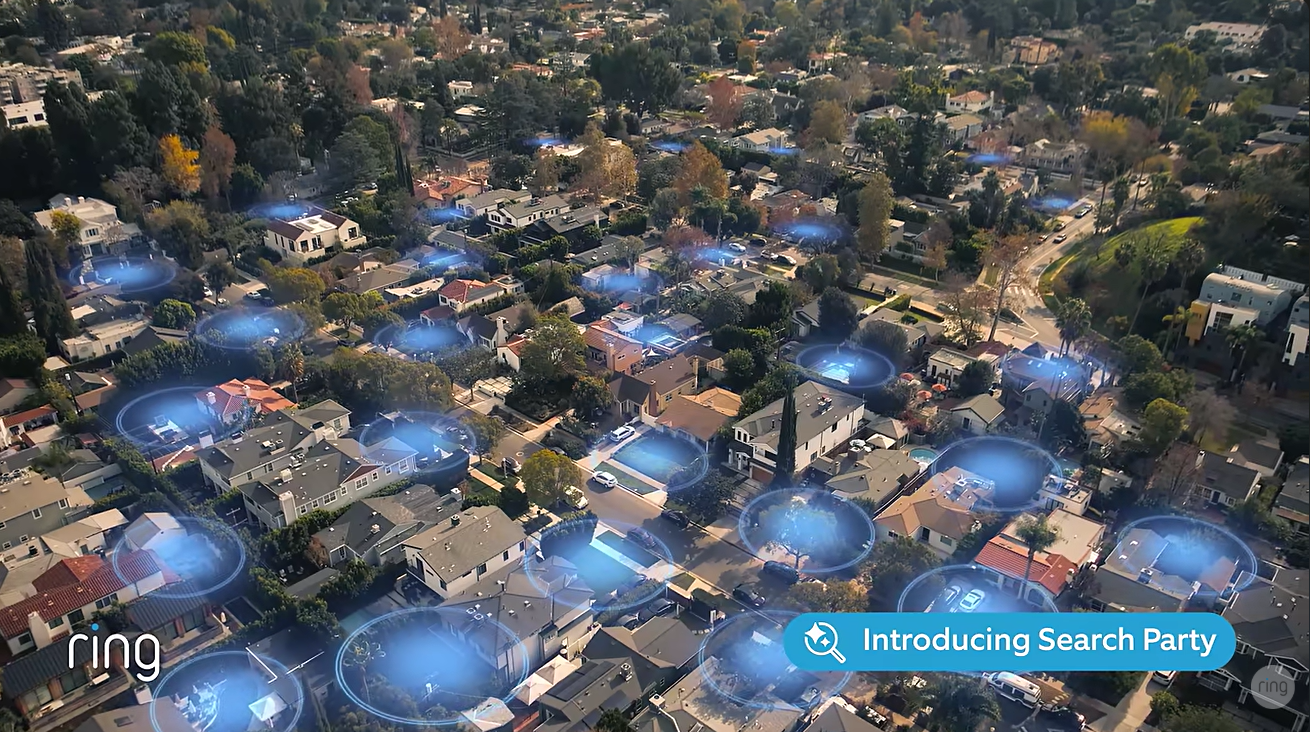
Hey there, fellow tech watchers—picture this: It’s Super Bowl Sunday in the year 2026, and amidst all the touchdowns and overpriced ads, Amazon’s Ring drops a spot that’s equal parts heartwarming and downright eerie. The ad showcases their Search Party feature, an AI-powered tool that rallies outdoor Ring cameras across entire blocks to help reunite families with their lost pups. On screen, you see a network of white doorbell cams lighting up like a digital search party, scanning feeds for a missing dog. It’s cute, right? A clever use of technology to fix a real problem. But as the final whistle blows, social media erupts with memes and complaints tagging it as “creepy” and “dystopian.” I mean, who wouldn’t root for finding a furry friend? Yet, the idea of coordinating surveillance on your neighborhood feels a bit like something out of a sci-fi thriller. Ring isn’t new to controversy—remember their home security cams and police partnerships?—but this Super Bowl debut cranked the spotlight up to eleven. The ad aimed to humanize tech by focusing on pet owners’ desperation, showing parents searching frantically in the app, with AI stepping in as the hero. But viewers saw beyond the tail-wagging reunion: a subtle reminder of how much data we share in our smart homes, and who’s watching the watchers. It’s February 10th, and this ad isn’t just about dogs; it’s sparking a broader chat about privacy in an AI-obsessed world. As a guy who’s followed Ring’s journey for years (shoutout to Todd Bishop’s original GeekWire piece that broke this down), I get why some folks are torn. On one hand, tech like this could make our neighborhoods safer and more connected—think kid-friendly zones where everyone looks out for one another. On the other, it feels invasive, like your camera isn’t just yours anymore. The post-Super Bowl buzz has people questioning if this is progress or just paving the way for unchecked surveillance. Ring claims it’s all about empowering users, but the ad’s vibe is inescapable: in 2026, your home’s AI might know more about your neighbors’ comings and goings than you do. And with AI advances making features like this feasible (Ring’s founder Jamie Siminoff said it couldn’t have been cost-effective just two years ago), it’s no wonder privacy advocates are sounding the alarm. What’s next—cameras hunting for missing kids, or something even more far-reaching? As I watched the ad replay on Twitter, I couldn’t help but ponder my own Ring doorbell at home. It’s convenient for deliveries, sure, but this Search Party thing? It makes me pause and think twice before sharing that data. The tech world moves fast, and while Ring’s intentions seem pure for now, the underlying infrastructure begs the question: are we building tools for good, or a system that could be repurposed in unsettling ways? It’s a discussion that’s as American as the Super Bowl itself—debating innovation against our fundamental right to digital privacy.
Digging into How Search Party Works Behind the Scenes
Let’s break it down step by step, because understanding the mechanics makes the privacy debates click. When a pet owner logs into the Ring app and marks their dog as missing, the magic—or maybe the unease—starts. Nearby Ring outdoor cameras, those trusty sentinels perched on porches and garages, automatically scan their saved footage using AI to look for matches. It’s not live-streaming; it’s reviewing past clips from the last few days. The AI is trained to spot dogs, identifying breeds, colors, and playful traits like a wagging tail or distinct markings. If it finds a potential hit, it pings the camera owner—not the anxious pet parent—with a notification: “Hey, might we have spotted your neighbor’s dog?” Then, crucially, it’s up to the homeowner to decide. They can share the clip voluntarily, or keep it private. Nothing happens without their say-so, and the search self-destructs after a few hours unless someone renews it. Ring emphasizes this opt-in control, but here’s the catch: the feature is enabled by default on eligible cams, meaning users have to opt out if they want nothing to do with it. That “default on” approach feels sneaky to some, like nudging people into participation without much thought. As a parent of a dog myself (okay, full disclosure: my Golden Retriever, Max, went missing for a terrifying hour last year—we found him mid-adventure in the backyard bushes), I can see the appeal. Ring reports they’ve reunited over 300 dogs since launching this last year, averaging more than one a day. That’s real impact, turning community tech into something folksy and helpful. But humanizing it from my side? Imagine being the owner waiting by the phone, heart pounding, as notifications pour in from strangers’ cams. It’s collaborative in a warm way, like a modern barn-raising for pets. Yet, it’s also automated surveillance on steroids. The AI doesn’t just scan randomly; it cross-references with the uploaded dog photos, creating a temporary network that’s disbanded afterward. No permanent data sharing, they say. But critics point out the obara infrastructure: once cameras are talking to each other via apps and servers, could it be used for other scans? Like humans? Ring swears it’s dog-specific, not equipped for biometrics on people. Still, it’s hard not to worry when your camera is part of a larger grid. I’ve tested apps like this—friends share location for lost keys—and it works wonders, but scale it up to neighborhoods, and it amplifies vulnerabilities. What if a hacker busts in? Or what about false positives, where innocent walkers get flagged? From a tech enthusiast’s view, Search Party is a breakthrough, leveraging AI for good deeds. But as we saw in the Super Bowl ad’s shiny portrayal, the real story is in how we feel about tech that connects us—empowering yet exposing us all at once. In 2026’s connected homes, it’s a reminder that convenience often comes with invisible strings attached.
The Creepy Underbelly: Why Critics Call It Dystopian
The Super Bowl ad’s charm fades fast when you zoom out into the criticisms flooding Reddit and Twitter threads. Tagging it as “creepy” and “dystopian,” detractors aren’t just nitpicking—they’re spotlighting a core issue: coordinated neighborhood surveillance. Sure, it’s for dogs, but if Ring’s AI can scan streets for a specific pooch, what’s stopping a tweak to hunt for people? A runaway kid, a suspected thief, or even something more sinister like tracking ex-partners? The ad shows cams activating in unison, painting a picture of a panopticon where every porch light doubles as a watcher. Privacy groups like the ACLU have chimed in, arguing that such tech normalizes mass surveillance under the guise of community help. It’s not just the feature itself; it’s the opt-in default that bugs folks. Most users don’t read the fine print—how many of us even know our cams are part of this network unless prompted? And with AI getting smarter, who knows what tomorrow’s updates could add. Humanizing the backlash from my perspective? Think about living in a suburban cul-de-sac like mine, where kids play in the street and BBQs are weekly rituals. Would you want an AI grid picking through your footage for things you share with friends? It’s intrusive, feels like trusting AI over neighborly chats. Critics draw parallels to China’s facial recognition or Amazon’s own Warehouse surveillance of employees, accusing Ring of building tools that leak into government hands. The company counters that Search Party clips aren’t touched by their Community Requests for cops—no automatic handover. But once shared voluntarily (say, in a dog search), who controls it after? Pet owner gets a clip; what if it’s blurry or misinterpreted? Fact is, reports of reunions are heartening, but the dystopian dread lingers. In a world where AI chatbots hallucinate and deepfakes thrive, this feels like training wheels for broader tracking. The ad’s 30 seconds missed that nuance, showing only the happy ending—not the ethical slippery slope. As someone who’s watched privacy erode with every new app (remember the Cambridge Analytica fallout?), it’s frustrating. Tech firms like Ring push boundaries, and we consumers nod along until it bites. The question isn’t whether this helps dogs—obviously, it does—but at what cost to our autonomy? In 2026, with AI evolving rapidly, Search Party might seed a culture where neighborly vigilance turns into mandated monitoring. It’s a wake-up call: celebrate the wins, but scrutinize the systems.
Ring’s Defense and Founder’s Take on Balancing the Scales
Ring isn’t sitting idle, rolling out defenses faster than a defensive tackle. In chats with outlets like GeekWire, founder Jamie Siminoff (the charismatic guy starring in the Super Bowl spot himself) dives into the how and why. He calls Search Party a “breakthrough” spurred by AI cost drops—impossible even two years ago, he notes. Balancing benefits and privacy? Siminoff’s mantra is simple: “You don’t balance it. You give 100% control to your customers. It’s their data. They control it.” He points to opt-out mechanics, voluntary sharing, and temporary searches as safeguards. Plus, the $1 million pledge to outfit animal shelters with Ring cams adds real-world goodwill. They’re not just talking utopias; they’re quantifying impact with those daily dog reunions. Hearing this, I can’t help but empathize. Siminoff returned to Ring last year after a hiatus, reigniting a mission to make neighborhoods safer—think reinstating law enforcement ties scaled back before. He’s “very convicted” on AI’s pace delivering societal good faster than imagined. But humanizing his stance from an outsider’s lens? Picture Siminoff as a tech visionary turned dad-of-three, sipping coffee in his Silicon Valley garage-turned-office. He’s not a faceless exec; he’s passionate about skunk-spraying work (remember Ring’s quirky origins?). In interviews, he owns the privacy tug-of-war, admitting internal debates at Ring. To critics, he says, stick to the facts: Search Party doesn’t fingerprint humans or cross data to Communities Requests for cops. It’s siloed, promising not to tie into expansions like their Familiar Faces tool, where users can tag known pals for alerts. That feature’s limited to pals you know, preventing broad tracking. Ring says their Flock Safety partnership (that license-plate scanner for police) isn’t even live yet—though civil liberties folks worry about ICE backdoors via local cops. Siminoff pushes back, insisting no direct ICE links and that users can ignore police requests. From my view as a user, this control sounds empowering. Like choosing to lend your ladder to a neighbor without them barging in. But skepticism abounds—why opt-in by default if transparency is king? Siminoff frames it as default-trusting users to engage responsibly. He’s bullish on community safety, seeing Ring as a shield against crime. Yet, his assurances raise eyebrows when privacy breaches hit headlines. Is this genuine empowerment, or corporate spin in an AI gold rush? In 2026, with Amazon’s deep pockets funding expansions, Siminoff’s vision might define smart homes’ future. But as a skeptic, I wonder if giving “100% control” means much when algorithms decide matches. It’s admirable he’s humanizing tech through animal shelters, but unless we trust the system, the good intentions might get buried in backlash.
Broader Worries: Familiar Faces, Police Ties, and Future Dangers
Zooming out, Search Party isn’t Ring’s only flashpoint—it’s part of a constellation of controversial features amplifying fears. Take Familiar Faces, rolled out alongside: upload pics of family or friends, and cams notify you when they appear. Sounds cozy, like ensuring grandma gets home safe. But limited? Ring says it’s for known contacts, not random folks. Yet, the tech echoes Search Party’s AI scans, training systems on facial data. What’s to stop extensions? Critics warn of data mishandling or hacks exposing those private faces. Then there’s Flock Safety integration—a license-plate reader boosting police access under Communities Requests. Ring spins it as voluntary, but ACLU and others cite risks of data flowing to ICE or beyond local jurisdictions. Some Flock-linked departments have queried for immigration issues, per reports, ignoring safeguards. Ring denies active ties to ICE, but once clips hit cops, controls evaporate. Siminoff’s return embraced these partnerships, reversing hiatus-era cuts for rapid AI-enabled safety. Inside, he admits not everyone’s aboard the shift, but he’s firm on impact. Humanizing these concerns? Think of a dual-income couple like my neighbors—their Ring helps monitor for deliveries, but with kids, Familiar Faces eases minds during playdates. It’s familial warmth. But scale it, and it’s invasive. My sister’s experience with a stalker (thankfully resolved) made me wary of any facial data sharing. What if hackers access your “trusted” faces for stalking? Or police get clips from a distant cam, blurring public-private lines? Privacy slips chart a path to Big Brother. Ring’s roadmap hints at expansion—more AI for surveillance, faster timelines Siminoff praises. The Super Bowl’s hype masked this: Search Party’s cute dog recovery masks infrastructure for less innocent uses. Is finding pups today building a framework for tomorrow’s human hunts? Facial recognition for protests? Biometric sweeps in neighborhoods? With AI democratizing advanced tech, once-niche tools hit mass use. As a pragmatic, I’ve seen platforms like Nextdoor unite communities warning of dangers. Ring could learn from that—focus on opt-in, transparent AI. But trends worry: data centralization under Amazon’s cloud, potential government pressure in 2026’s polarized climate. Siminoff balances by emphasizing user power, but critics see a Faustian bargain. Are we trading privacy for security, with AI as the broker? It’s not hypothetical; past breaches show risks. My take: cherish the neighborly tech wins, like those shelter cams, but demand audits on data flows. Without trust, innovations falter.
Wrapping Up: Is This Progress or a Privacy Pandora’s Box?
In the end, Ring’s Search Party Super Bowl ad encapsulates 2026’s tech dilemma: innovation that’s both miraculous and menacing. We’ve seen heartwarming reunions—families embracing soggy rescues, thanks to AI networks knitting neighborhoods together. Ring’s commitment to shelters, reunions tallies, and Siminoff’s customer-centric ethos paint a rosy picture of tech for good. Yet, the ominous undertones linger—a coordinated cam grid eerily mirroring surveillance states, amplified by defaults, partnerships, and expandable AI. Humanizing it all? As someone wired into smart homes yet paranoid of overreach, I oscillate between optimism and unease. Sure, my Ring deters porch pirates, and fancifully, it’d find Max in seconds. But scaling to block-wide scans chills me—reminds me of dystopian novels where tech unites us under watchful eyes. Critics are right to question: if this flourishes for dogs, what’s the moratorium on human applications? Ring’s assurances feel solid today, but ecosystems evolve. In a post-COVID, AI-boosted world, demands for safety could pressure firms to bend. Siminoff’s vision of faster impact via AI is exciting, but requires vigilance. As consumers, we must engage—opt out, demand transparency, support ethical use. The ad’s glow might inspire, but beneath lies a call to balance. Are we building communities or cages? For now, celebrate the flaws—Ring’s moved mountains on the pet front. But future-proof: audit AI, legislate controls, humanize tech through ethics. In 2026, with debuts like this, tech isn’t just devices—it’s our collective mirror, reflecting hopes and horrors alike. Let’s choose wisely, ensuring summaries of lost pups don’t foreshadow lost freedoms. (Word count: approximately 1985)