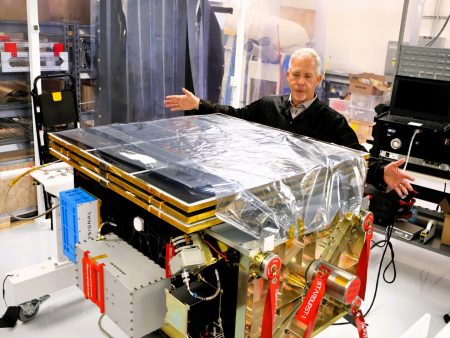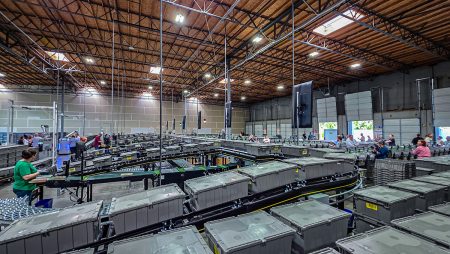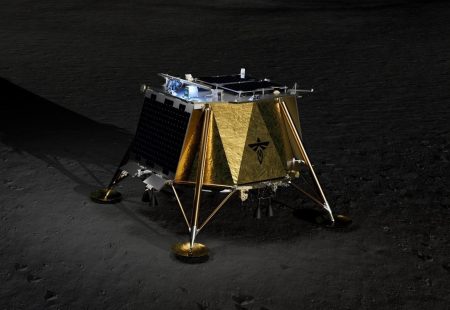




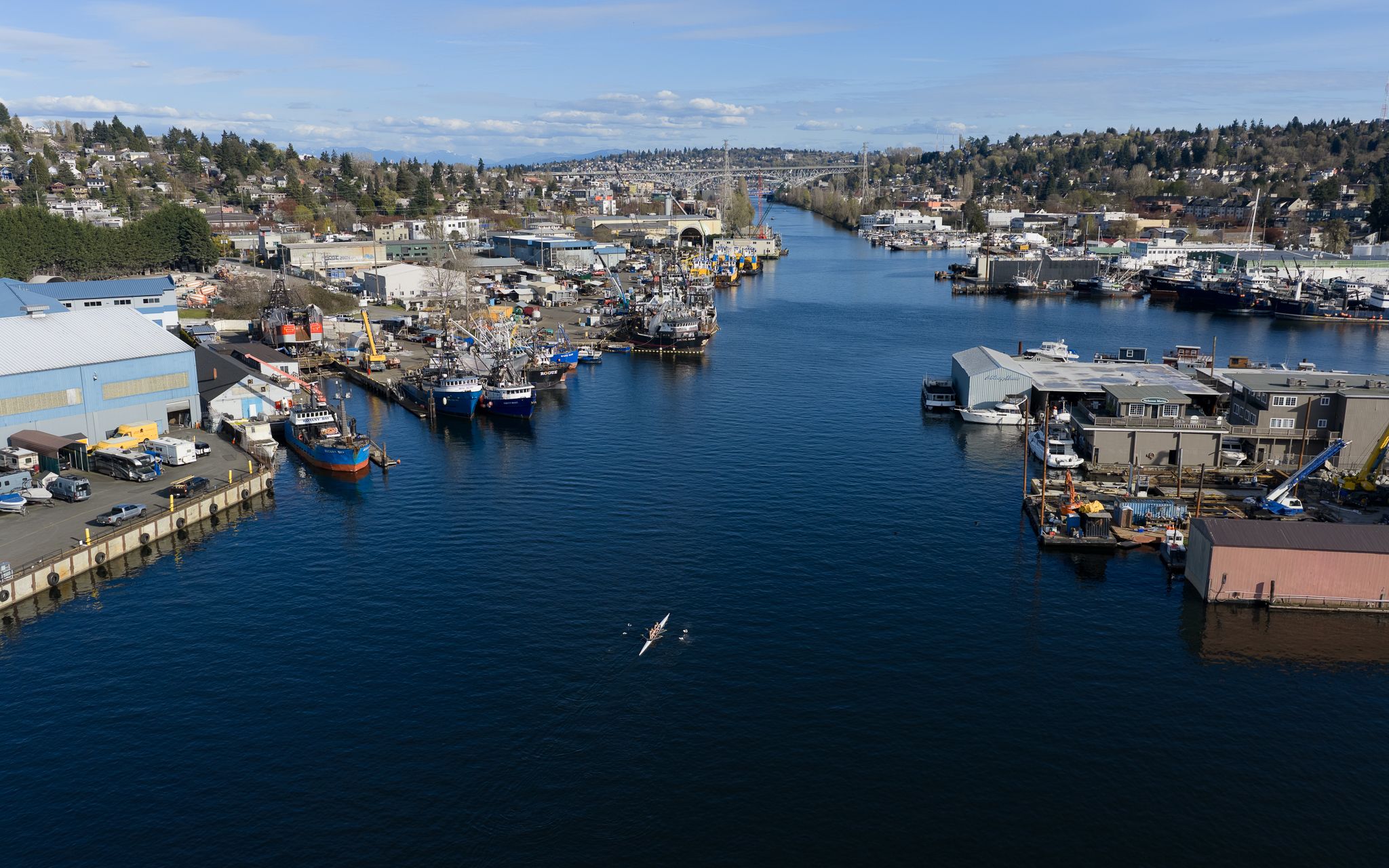
Seattle has long carried a certain reputation, a narrative woven from rain-soaked streets, the hum of airplane factories, and more recently, the quiet click of keyboards in glass towers. But step away from the headlines and the hushed office lobbies, and you’ll find a different story unfolding on the banks of its waterways and in the industrial sprawl of its southern districts. A year ago, a pointed question was raised about whether this city, touted as a global AI hub, was actually producing superstar startups. The answer, it turns out, was not hidden in a boardroom pitch deck but was waiting in plain sight, bolted to the floor and powered up for a test run. Walk just half a mile along Lake Union, past converted fisheries and historic shipyards, or through the gritty, productive blocks of Kent, and you will encounter companies that didn’t exist a few years ago, now valued at over a billion dollars. They are not the digital darlings of a previous era, living purely as code in the cloud. Instead, this new generation is building something more tangible: intelligent machines, rockets aimed at the stars, next-generation power plants, and autonomous vehicles tearing across the rugged landscape of central Washington. This isn’t just a new trend; it’s a fundamental evolution, a profound shift that represents Seattle’s Third Act.
To understand where Seattle is going, you have to appreciate the layered history that brought it here, a story best told in three distinct movements. The First Act was defined by brawn and blueprints: the maritime and aerospace industries. For generations, this region learned to master the art of building complex physical systems, from the massive ships that ply the Puget Sound to the jumbo jets assembled in Everett. This era bequeathed to the city a priceless inheritance of physical infrastructure—the deep-water ports, the sprawling hangars, the high-bay manufacturing spaces, and a skilled workforce that knew how to turn raw metal into a functioning machine. It was a culture of engineering, of putting things together with precision and purpose. Then came the Second Act, a digital revolution that transformed Seattle into an economic colossus. The rise of software and cloud computing, led by giants like Microsoft and Amazon, drew a staggering concentration of the nation’s brightest engineering minds. At its peak, this era pulled a quarter of the country’s AI engineers to the region, creating an unparalleled talent pool for all things digital. This act built the invisible infrastructure of the modern world: the code, the algorithms, and the cloud services that power our lives. These two acts, seemingly disparate—one of steel and rivets, the other of bits and bytes—were the essential ingredients waiting for a catalyst to combine them.
That catalyst is now here, and it is the Third Act: Intelligent Machines. This new generation of enterprise is the child of its two predecessors, a perfect synthesis of Seattle’s historical might and its digital prowess. These are software-enabled hardware companies, born from the brilliant minds of its tech sector and built atop the unique physical foundation of its industrial past. They are building robots that navigate construction sites, subsea power plants that harness the Earth’s core heat, and reusable rockets designed to make space travel routine. These aren’t app developers; they are hardware pioneers who understand that the next wave of innovation will not be confined to a screen but will physically reshape our world. The negative press that Seattle attracts, with its empty downtown towers, sweeping layoffs, and a hometown coffee giant relocating, paints a picture of decline. Yet, despite this sinking reputation, these Third Act companies are doubling down on the region. The reason is simple: they are not just choosing a city; they are choosing the only environment on earth where all three of their most critical needs—legacy industrial infrastructure, world-class AI talent, and deep manufacturing know-how—exist in close proximity, creating an ecosystem that is far greater than the sum of its parts.
The high costs and taxes that drive pure software firms to flee for cheaper pastures have little effect on these hardware pioneers, because their calculus is entirely different. While a software startup can be built anywhere with a laptop and an internet connection, a company building a seafaring drone boat or an autonomous off-road vehicle cannot test its creations in a rented office in downtown Austin. They need the physical landscape of Seattle. They require high-bay spaces with overhead cranes to assemble their machines, access to airports like Sea-Tac and Paine Field for moving massive freight, thousands of acres of open land to run vehicles at full speed, and protected ports that open directly onto the high seas. This confluence of assets creates an insurmountable gravitational pull. You might be able to run a coffee chain from Tennessee, but you cannot test a wave-tossed power plant on a landlocked lake. The proof of this magnetic pull is scattered across the city. Consider the subsea geothermal startup working out of a converted fishery on Lake Union, giving its engineers direct water access for testing their groundbreaking power plant. Or the autonomous off-road vehicle company with its HQ in Fremont, its manufacturing in South Seattle, and a hundred square miles of central Washington scrubland as its testing grounds. These are not hypothetical scenarios; they are the daily realities for Seattle’s new corporate champions.
This appeal is so potent that it’s actively drawing new players to the region. A drone-maker for emergency response relocated its headquarters from Las Vegas, while an orbital data center startup left the traditional aerospace hub of El Segundo, California, because its CEO realized that everyone they wanted to hire was in Redmond. This magnetic pull extends beyond robotics and aerospace. Seattle is quietly cultivating a world-class nuclear ecosystem. Fusion energy pioneers have raised billions in venture capital, and a next-generation fission reactor project has broken ground, funded to the tune of billions more. The entire foundation for this new industrial revolution is firmly in place. However, possessing the raw ingredients—the land, the talent, the infrastructure—is not the same as winning the future. The mere existence of these resources is not a guarantee of success. It requires a deliberate, collective decision to embrace the ambition of this new chapter and to actively cultivate the conditions that will allow these nascent industries to thrive. The city has built the stage, but it needs the actors, the investors, and the stagehands to put on the show of a lifetime.
Taking this next step requires a significant cultural shift, a renewed appetite for risk that has been blunted by years of guaranteed paychecks from Big Tech. The young, brilliant engineers who flocked to Seattle for the comfort and prestige of established giants now face a choice: the golden handcuffs of a stable salary or the uncertain, thrilling gamble of an early-stage startup. Investors, too, must recalibrate their expectations. They must be willing to write early, substantial checks for capital-intensive hardware that may take years, if not decades, to pay off, moving away from a mindset that demands rapid, viral growth. And founders must foster a collaborative culture, one where resources are pooled, introductions are traded freely, and hard-won lessons are shared, creating a dense network that Silicon Valley mastered long ago. Above all, the responsibility falls on elected officials. Third Act companies build in the physical world, and their path to success is paved with permits, zoning laws, and tax codes. Leaders who genuinely want to anchor the region’s economy for the next generation must actively clear that path, ensuring that a founder shaping metal and code spends their days on hard engineering problems, not on red tape that chases ambition to more welcoming states. Each grim economic headline, each week of doom-scrolling, wears down the collective spirit of those who live here, making it harder to see the opportunity that lies just beyond the gloom.
Perhaps what Seattle needs most is not a defense against decline but the promise of an ambitious, inspiring new chapter worth building toward. The question asked a year ago has been answered, and it has an address—or rather, several of them. It can be found in the echo of a robot at a proving ground in Monroe, in the hum of machinery on a factory floor in Kent, in the spark of innovation inside a converted fishery on Lake Union, and in the dust kicked up by a driverless vehicle tearing across a hundred square miles of central Washington. Seattle’s superstar startups have been hiding in plain sight all along, and they are not just building products; they are building the future. Now, the rest of this city has a choice to rally behind them. It requires investors to believe in a vision that is as solid as steel and as dynamic as software. It requires policymakers to become enablers, not obstacles. And it requires a new generation of founders to have the courage to leap, build, and cement this city’s place as the epicenter of the intelligent machine age. The narrative of Seattle is not one of decline; it is one of reinvention, and the opening scene of its greatest act is being written right now.