



Washington State Ferries Taking First Steps Toward Public Wi-Fi Service
In a significant development for Pacific Northwest commuters, Washington State Ferries (WSF) is preparing to test public Wi-Fi service at one terminal and on a single vessel. The initiative, outlined in a December report, marks the agency’s response to state legislation directing exploration of internet connectivity options for ferry passengers. With the procurement process for vendors already underway, this pilot project could represent the first step toward a broader implementation of Wi-Fi services across Washington’s extensive marine transportation network. The pilot will serve as a crucial test case to determine whether modern networking technology can succeed where previous attempts failed due to high infrastructure costs and insufficient revenue streams.
The modest test program will initially focus on the Bremerton ferry terminal and the M/V Chimacum vessel, with an estimated cost between $100,000 and $150,000 covering equipment, installation, and basic vendor support. This cautious approach reflects the significant financial considerations involved in any potential system-wide expansion. According to WSF’s assessment, extending public Wi-Fi across all terminals and vessels would require a multi-million-dollar capital investment, plus annual maintenance and operating expenses likely reaching into the seven figures. These sobering financial projections explain why the agency is proceeding carefully, gathering concrete data through the pilot before making recommendations about broader implementation possibilities.
The absence of public internet connectivity throughout Washington’s ferry system has long been a point of frustration for regular commuters and tourists alike. A previous partnership with wireless networking company Boingo offered fee-based Wi-Fi service beginning in 2008, but that arrangement ended in 2016, leaving passengers without connectivity options. The current legislative mandate asks WSF to determine whether technological advancements in the decade since might make public Wi-Fi more viable now, either as a free service or through some fee-based model. The pilot program will measure critical metrics including actual passenger usage rates, bandwidth consumption patterns, overall service reliability, and the staffing and vendor support requirements necessary to maintain dependable service.
If the project proceeds according to the timeline outlined in December’s report, ferry passengers can expect to see the pilot program take shape in 2026, with installation scheduled for spring and operational testing running from May through August. This four-month window will allow WSF to collect meaningful data across peak summer travel season, when ferries experience their heaviest passenger loads. Following the test period, the agency plans to analyze the results and deliver comprehensive findings and recommendations to state lawmakers by September 2026. These recommendations will likely address whether and how public Wi-Fi might be implemented more broadly throughout the ferry system, along with detailed cost projections and potential funding models.
The technical and operational challenges involved in deploying maritime Wi-Fi systems extend beyond simple cost considerations. WSF has identified several significant risk factors, including stringent cybersecurity requirements that would keep passenger internet traffic completely separated from critical ferry operational systems. The agency must also balance potential strain on existing staff resources, address infrastructure limitations on older vessels and terminals that weren’t designed with modern connectivity needs in mind, and carefully manage passenger expectations for what will initially be a temporary test program. Any solution must also comply with Washington state’s IT security and accessibility standards, adding additional layers of complexity to implementation.
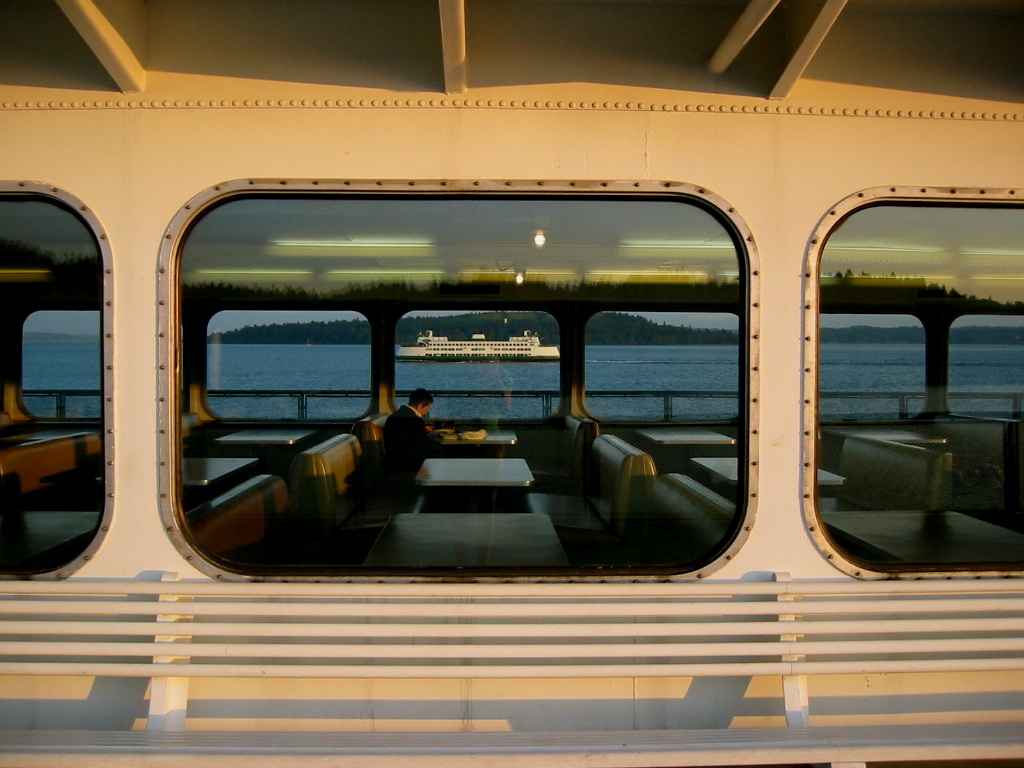
The ferry Wi-Fi initiative reflects the growing expectation for continuous connectivity in all aspects of public transportation, even as passengers cross Puget Sound’s waters. For the thousands of daily commuters who rely on Washington’s ferry system, reliable internet access could transform vessels from transportation bottlenecks into productive extensions of their workday. Meanwhile, for the millions of tourists who experience the scenic beauty of Washington state via its iconic green and white ferries each year, Wi-Fi connectivity would enable real-time sharing of their Pacific Northwest adventures. While the pilot program represents just a tentative first step, it signals WSF’s recognition that in today’s connected world, even brief journeys across the water shouldn’t necessarily mean disconnecting from digital life.