






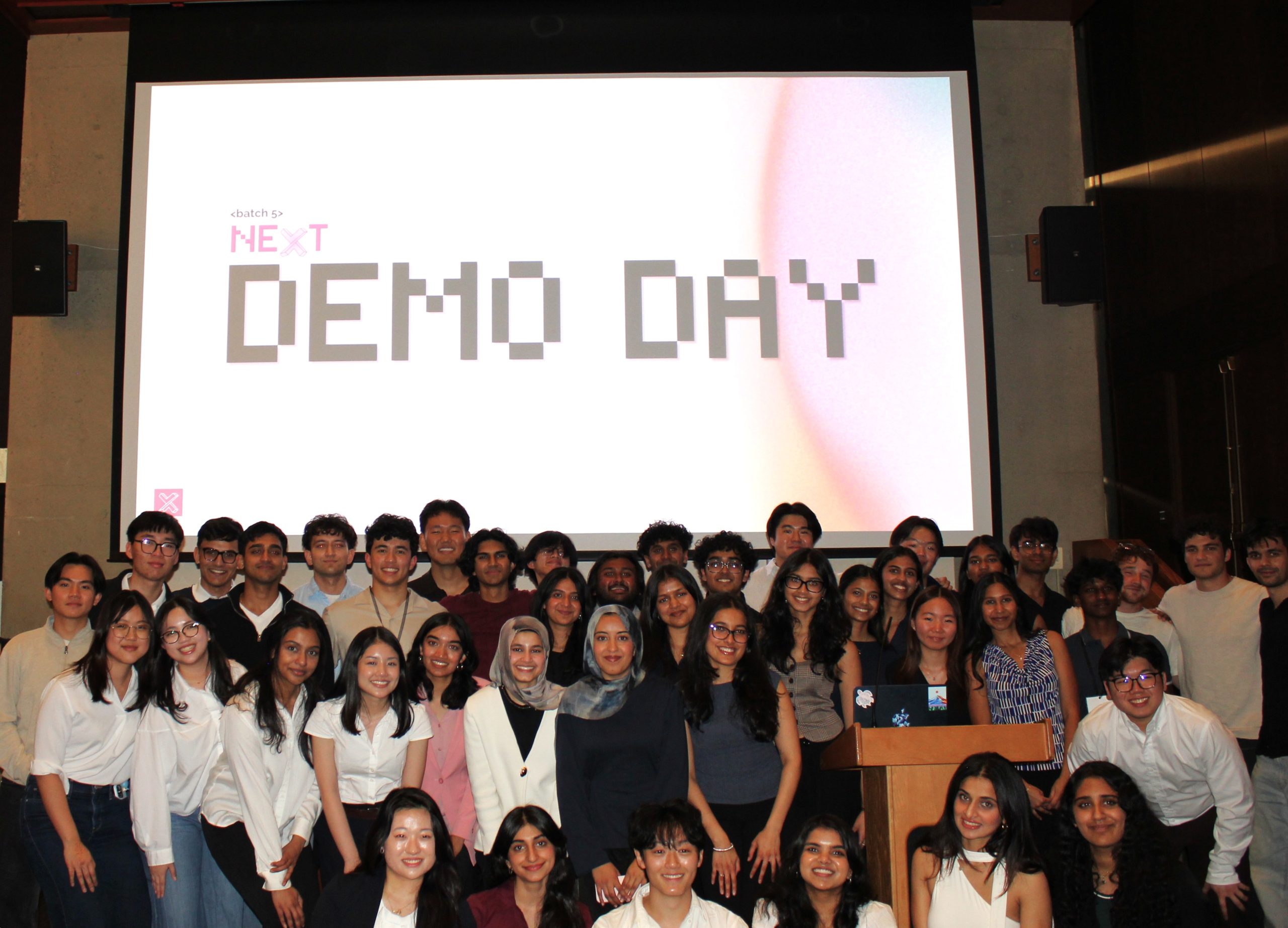
On a sunny Thursday afternoon in May, the University of Washington campus buzzed with an electric energy as student entrepreneurs gathered for DubHacks Next’s Demo Day. Picture this: a packed auditorium filled with hopeful faces, laptops humming, and the air thick with the scent of coffee and high-stakes ambition. It was Batch 5’s moment, where 20 fledgling startups, born from a 16-week incubator, took the stage to pitch their visions. But beyond the buzz, this event highlighted a pressing real-world crisis—senior engineers are retiring at an alarming pace, leaving gaping holes in expertise across industries like aerospace, nuclear energy, and beyond. These aren’t just statistics; they’re stories of families relying on stable infrastructure, lives depending on safe designs that take years of hands-on experience to master. Enter the DubHacks Next participants, a group of bright-eyed innovators armed with tech to bridge that divide, proving that fresh perspectives from college hallways can spark solutions for global challenges.
At the heart of one standout presentation was Hera, a game-changing tool crafted by co-creators Meera Patel and Noelle So, both UW students with a passion for transforming manufacturing woes. Imagine the frustration of a seasoned engineer poring over blueprints for weeks, only to hit roadblocks from safety rules or production quirks. Hera flips the script by automating the design of parts, ensuring they meet stringent industry standards without needing decades of know-how. Patel, with a gleam in her eye, shared in an interview how Hera slashes that process to 10 times faster than a human expert. “It’s not about replacing people,” she explained, “but empowering them to focus on the creative leaps.” The duo’s demo revealed real magic: once a design is confirmed manufacturable, Hera pulls data from actual machines, spitting out a precise production plan in minutes. This isn’t just theory; the product is already live in three production plants, tackling a projected shortfall of 1.9 million manufacturing jobs in a $2.3 trillion sector by 2033, per Deloitte. For Patel and So, who are now part of the Pack Ventures portfolio with $50,000 upfront and potential for $150,000 more, Hera feels like a lifeline they built together—late-night coding sessions fueled by dreams of making industries safer and more efficient for everyday workers who might not realize how much their jobs rely on tech like this.
DubHacks Next itself is a nurturing force, a 16-week journey that turns wide-eyed ideas into potentially world-shaking companies. Since 2022, it’s launched 68 startups, with at least 25 becoming active businesses that have collectively raised over $5 million. Participants dive into workshops, mentorship from mentors who’ve walked the path, customer discovery chats that feel like heart-to-heart conversations, and networking with investors who see raw potential in these kids. Alumni have snagged spots in elite accelerators like Y Combinator and Techstars, or landed dream jobs at giants like Google and Microsoft. Starting this year, students can join Pack Ventures, getting not just funding but a safety net to grow. William Pantel, co-developer of Catalvst—an AI tool for building audio plugins—captured the program’s essence when he said, “I’ve never had the experience of building such a large-scale idea and bringing it to life.” For these students, it’s about more than pitches; it’s about community and support in a world where failure isn’t final. The incubator’s promise is simple yet profound: give young minds the tools, and watch them redefine possibilities, from AI-driven salons to apps that heal emotional wounds.
One project that’s quickly becoming a beacon for inclusion is Chameleon, an AI-powered suite that tackles web accessibility for the 1.3 billion people worldwide with disabilities. Co-founders Aditya Shirodkar and Ajit Mallavarapu started with a frustration that hits too close to home—nearly 96% of top websites are inaccessible, creating silent barriers for users who rely on tools like screen readers or adaptive tech. Shirodkar recounted his personal awakening: “Especially with vibe coding, people are quick to develop software and don’t think about accessibility needs. It’s a silent barrier that isn’t really addressed.” Chameleon’s Chrome extension offers practical miracles: focus rulers for navigation, voice commands, even head-tracking controls that let anyone browse freely. Mallavarapu emphasized the human element: “It’s not just about making something cool. It’s about making something people will actually use every day.” In a market swelling from $1.8 billion to $3.2 billion by 2034, Chameleon isn’t chasing trends—it’s responding to real cries for dignity in a digital world. The founders imagine a future where everyone, from grandmothers to gamers, can surf the web without feeling excluded, turning potential into everyday empowerment.
Shifting gears to data headaches, Iris emerged as a visual lifesaver for universities drowning in outdated spreadsheets. Founders Sthiti Patnaik and Saachi Dhamija targeted alumni tracking—a task that often spirals into chaos, hindering fundraising, networking, and events. Patnaik, recently graduated and serving as DubHacks Next’s managing director, hoped Iris would keep her connected to fellow founders forging big careers. She shared, “All of our alumni go on to do really fantastic things, such as raise money, start their own startups, or work at really great companies.” Dhamija described the magic: “We ingest their spreadsheet, then present it in a more visual format with bubbles and graphs.” Iris enriches data with interactive maps and connects people through shared interests, transforming cold records into warm networks. Their pitch landed a design partnership with Pack Ventures, a validation that feels like a high-five for dreamers turning toil into tools. Over to Catalvst, where Aaron Li and William Pantel are democratizing music production. Li, an EDM producer, recalled scraping for expensive plugins: “I remember working all summer just to save up. It’s a domino effect.” Catalvst lets users describe sounds in plain language—like “Make my track echo like a cathedral”—and generates working software in under a minute. Pantel clarified, “We’re using AI to build tools human producers can use,” empowering creators without replacing their artistry. Beta testing with musicians is refining the product, blending passion with precision in an incubator atmosphere that encourages big leaps.
The Batch 5 roster boasts even more inventive spirits, each addressing niche pains with empathy. BeamBell introduces AI receptionists to salons, easing admin burdens for stylists; Clearlobby streamlines legislative lobbying; Healr offers emotional recovery support; HeartBeats mixes music for workouts; Intently handles product management cleverly; Leasee simplifies student subleasing; madr enhances campus life; MindMark tracks resources effortlessly; nomad connects travelers socially; nomi manages roommates smoothly; Qualty ensures end-to-end testing; Query answers questions at live events; Scout plans camping adventures; sparks curates modest fashion; Wallzy maximizes credit rewards; and Zither browses spatial web files intuitively. Together, they represent not just tech, but human resilience—students stepping up to solve problems that affect us all. Applications for the sixth batch open this fall, a timely call for more dreamers to join this transformative community. In the end, DubHacks Next isn’t about overnight successes; it’s about nurturing stories like these, where young innovators turn “what if” into “what’s next,” fostering a world where gaps are filled, barriers crumble, and everyday people thrive through clever ideas born in college dorms. It’s a reminder that progress often starts with a spark of curiosity, a late-night brainstorming session, and the belief that anyone with passion can build something lasting. As the sun set on Demo Day, the lingering buzz wasn’t just about pitches—it was the hope that these startups would ripple out, touching lives far beyond the UW campus, one accessible website, one automated design, one melody at a time. For the participants, DubHacks Next has become more than an incubator; it’s a family that equips them to face a world that doesn’t always make sense, armed with tools that do. And that’s the human magic at play here—not algorithms or apps alone, but the people behind them, driven by genuine desires to make things better for everyone.