


The gaming world is buzzing with the latest bombshell from Microsoft: the exit of longtime Xbox leader Phil Spencer and the surprise resignation of Sarah Bond, ushering in a new era under Chief Executive Asha Sharma. Picture this—Spencer, the guy who orchestrated Microsoft’s blockbuster acquisitions like Bethesda and Activision, is stepping away after building an empire of beloved franchises under one roof. It’s like a legendary coach passing the baton in the middle of a championship season. Now, his chair goes to Sharma, a newcomer from Microsoft’s AI ranks, paired with Matt Booty as the new Chief Content Officer. At face value, it feels abrupt, almost chaotic, like a plot twist in one of Xbox’s own video games where the hero suddenly switches teams mid-quest. Fans and industry insiders are scratching their heads, wondering if this is a fresh start or just another stumble in Microsoft Gaming’s turbulent history. Sharma’s role, especially, has raised eyebrows—who is this woman stepping into the limelight? She’s not a gaming vet; her background is in AI, not arcade classics. It makes you think of those family reunions where an uncle from out of town inherits the family business, and everyone whispers, “Does he even know how the grill works?” Yet, Spencer himself hailed her as the right pick, someone with a vision that transcends the pixelated past. As the dust settles on this transition, it’s hard not to feel a mix of excitement and apprehension, like eagerly awaiting the next episode of a beloved series while fearing a disappointing finale.
Diving deeper, the timing of these departures has fueled a whirlwind of speculation. Just hours before the news hit, Sarah Bond was still posting on LinkedIn about Xbox’s future, making her exit seem like a bolt from the blue. Spencer, on the other hand, claimed his retirement had been brewing for months, perhaps like a slow-cooked stew ready to serve. But the industry was already on edge from a week of upheaval in gaming leadership—layoffs, cancellations, and corporate shuffles that left developers feeling like kicked puppies. Bond’s swift goodbye added to the cynicism; some pundits see it as a sign of deeper fractures within Microsoft, where decisions seem driven more by boardroom whispers than by the passion that fuels the games themselves. Sharma’s ascent is even more controversial. Coming from the CoreAI division, she’s a tech strategist who’s helped weave AI into Microsoft’s fabric, from productivity tools to smart devices. Critics, including outspoken voices like the author of this piece, argue this signals Microsoft’s obsession with shoving AI everywhere, even into the sacred space of gaming. Imagine turning a classic board game into one that talks back—fun at first, but soon overwhelming. It feels like a push to “enhance” everything with algorithms, potentially diluting the human creativity that makes games art. Bond, who was instrumental in hyping up future hardware like the portable ROG Ally, leaves behind ambitious plans for the next Xbox console, now hanging in the balance as memory shortages from booming AI data centers scramble tech timelines. It’s a reminder of how corporate priorities can eclipse the dreams of players, leaving enthusiasts wary.
In Sharma’s corner, though, she’s quick to defend her approach with a heartfelt memo to the Microsoft Gaming team, promising that games won’t be drowned in soulless AI experiments. “Games are and always will be art, crafted by humans,” she wrote, emphasizing innovation without losing the soul. It’s a reassuring nod, like a chef pledging to keep the recipe authentic despite adding a new spice. This context emerges from last October’s revelations about Microsoft’s gaming division being squeezed for unrealistic profits by CFO Amy Hood—mandates so tight they’ve led to waves of layoffs, studio shutdowns, and project terminations, including the promising reboot of Perfect Dark. It paints a picture of a division under siege, where financial pressures overshadow creative freedom. Observers wonder if this leadership shift is just a prelude to Microsoft pulling the plug on Xbox altogether, citing the 32% drop in hardware revenue and the industry’s shifting sands. Jumping out now might even make sense with AI-driven shortages delaying new consoles. Yet, Sharma’s promotion could be a lifeline, offering humility and a listening ear amid the chaos. It’s akin to a seasoned family therapist stepping in to mend relationships strained by endless arguments, reminding us that sometimes, fresh blood brings healing perspectives.
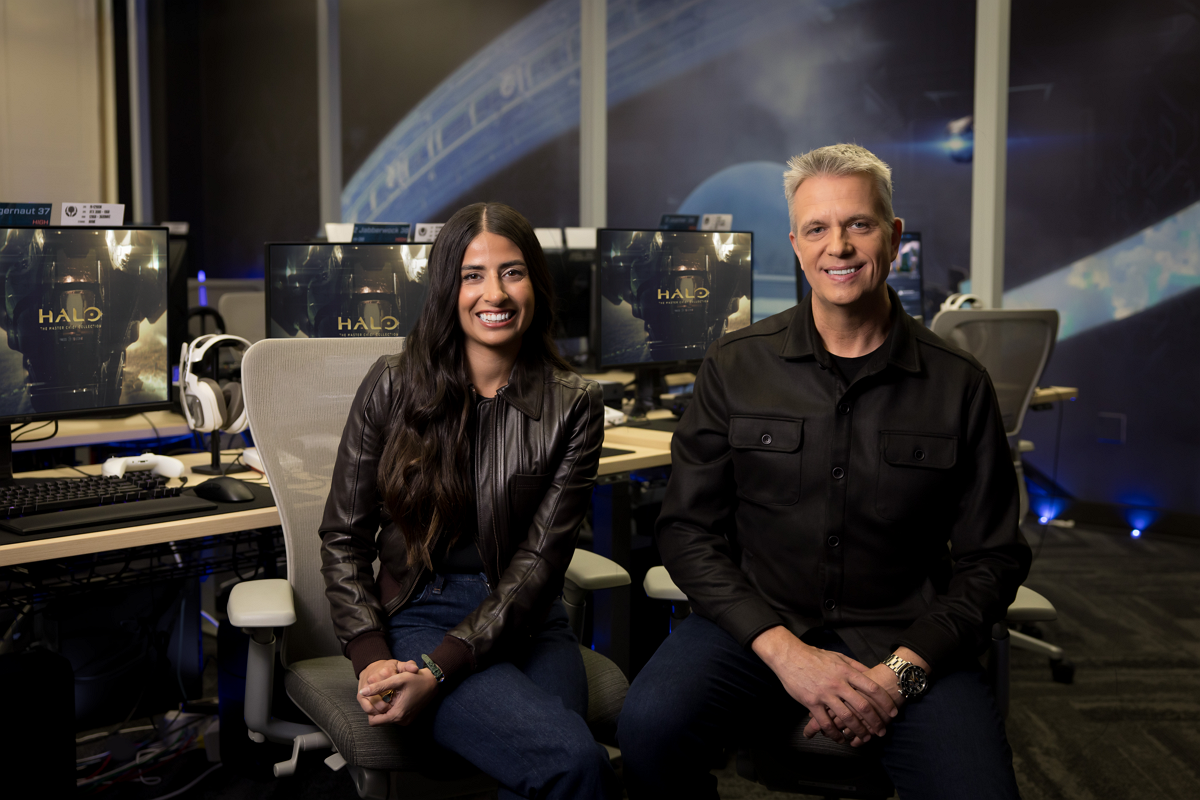
On the brighter side, Sharma isn’t flying solo; she’s teamed with Matt Booty, elevated to Chief Content Officer. Booty, a true insider as former head of Xbox Game Studios, knows the trenches of gaming—think of him as the trusted lieutenant who sticks with the ship through storms. In an ideal partnership, his experience could ground Sharma’s AI prowess, creating a yin-yang duo that balances tech innovation with developer intuition. Xbox, despite its battered reputation as a perennial third-place finisher in consoles, isn’t as dire as the doom-and-gloom crowd portrays. The narrative of collapse ignores flashes of brilliance amid the turmoil. Last year brought exhilarating originals like Avowed, South of Midnight, and Keeper, alongside stellar franchise revivals such as Doom: The Dark Ages and The Outer Worlds 2. Games like Hi-Fi Rush from Tango Gameworks—almost axed in past purges—proved that Xbox still has the spark to ignite player passion. These weren’t just critical darlings; some racked up solid sales, like hidden gems rediscovered in a cluttered attic. It’s a testament to the talent base Spencer cultivated, proving that under stable skies, Xbox can still deliver magic.
Looking ahead, Xbox’s 2026 slate is tantalizingly robust: the long-awaited Fable reboot, a fresh World of Warcraft expansion, a new Forza Horizon racer, another Gears of War adventure, and Halo: Campaign Evolved. These titles scream potential, like a lineup of operatic arias waiting to captivate audiences. The real issue, though, has been instability—the sword of Damocles dangling over studios, where even success doesn’t guarantee survival. Developers toil tirelessly, only to face layoffs or closures, like artists whose masterpieces are scrapped mid-brushstroke. It erodes morale, turning enthusiasm into exhaustion. Why pour heart and soul into a game if tomorrow’s board meeting could erase your efforts? This cycle of uncertainty has bred rumors of a total shutdown, fueled by Microsoft’s history of pulling plugs on unprofitable ventures. But Sharma’s elevation suggests a willingness to rethink, to protect the jewels in the crown. Imagine a gardener tending a garden wrecked by storms, gently nurturing the roots rather than uprooting them outright. Booty’s promotion adds weight to this, signaling continuity for those who’ve weathered the gales.
Ultimately, the best counsel for Sharma in her maiden voyage as CEO might be to throttle back the ambitious rhetoric and simply let the studios breathe. In her memo, she vowed to “Invent new business models and question everything,” but perhaps wisdom lies in patience. Stability could be the ultimate game-changer, restoring faith in a brand scarred by chaos. Think of it as parenting a rebellious teen: sometimes, the loudest lesson comes from calm presence, not constant interference. If Sharma and Microsoft resist the urge to impose AI vistas too soon and allow creative processes to flourish unburdened, Xbox could reclaim its luster. Fans are watching closely, hoping for redemption in this new chapter. With internal gems like Booty at her side and a legacy of franchises ready to shine, Sharma has the pieces to craft a narrative of triumph. It’s not just about tech empires or AI symphonies—it’s about honoring the human story at the heart of every game, where heroes rise, villains fall, and players find joy. As the industry holds its breath, one thing’s clear: the future of Xbox hangs in the balance, a canvas waiting for the right strokes to bring it to life anew. Mishaps aside, there’s a palpable hope that under this fresh guard, Microsoft Gaming can evolve from a storm-tossed ship into a sturdy vessel sailing toward calmer, more prosperous seas. Perhaps Sharma’s AI roots will infuse innovation without eclipsing the art, turning skepticism into celebration and reinstating Xbox as a force in the ever-expanding cosmos of gaming. Only time will tell if this transition marks a renaissance or just another chapter in the saga of corporate upheaval—but for now, it’s a chance to believe in second acts, where experience meets ambition in the quest for greatness. Developers and players alike deserve nothing less than a stable playground where creativity thrives, unmarred by the whims of profit-driven shadows. Let’s cheer for Sharma to navigate wisely, fostering an environment where games aren’t just products, but portals to human connection and wonder. In this sprawling narrative of code and creativity, Xbox’s story might yet inspire a new generation, proving that even amid chaos, hope can spark innovation. The journey ahead promises twists, but with careful stewardship, it could culminate in a victory lap worthy of Spencer’s storied tenure. All eyes are on this evolving tale, a reminder that in the world of gaming, as in life, change is constant—but the magic lies in adapting with heart. Feb 13, 2025.