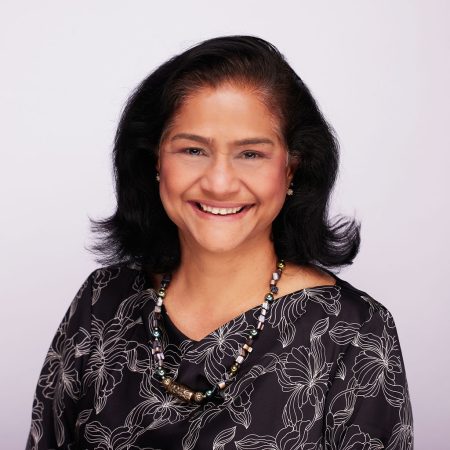




In the bustling world of tech leadership, companies are constantly shuffling talent like a high-stakes poker game, where each move signals bigger ambitions and bold steps forward. Take Syndio, the Seattle-based startup that’s cracking the code on pay equity, just as it announced a powerhouse lineup of seven new executives to fuel its growth spree. Leading the charge is CEO Maria Colacurcio, who hailed these additions as innovators with a knack for turning cutting-edge ideas into household names. Picture this: a team drawn from top-tier players like BetterUp, the coaching giants, and beyond, ready to tackle the nuances of workplace fairness with fresh energy. Erik Darby, stepping in as president, co-founded Motive Software—a AI-driven gem for employee insights that BetterUp scooped up in 2021—brings that entrepreneurial fire. Devin Luquist, now senior VP of product, has a trail of tech successes under his belt, including stints at BetterUp after multiple leadership roles elsewhere. Erin McClintock, the marketing maestro at SVP level, jumps from Workhuman and BetterUp, poised to amplify Syndio’s message. Elizabeth Temples, handling revenue as SVP, arrives from Clari with BetterUp roots, while Shonna Waters, overseeing executive engagement and insights, is an organizational psychologist and adjunct professor at Georgetown, lending her expertise from BetterUp days. Then there’s Manuj Bahl, VP of architecture, pulling from Talent.com and Seattle staples like Microsoft and OfferUp, and Meredith Conroy, VP of account management from Clari, rounding out the group. It’s like assembling a dream team for a mission that’s not just about numbers, but about real change in how companies treat their people—ensuring everyone gets a fair shot at the pot of gold in equal pay.
Shifting gears to the payments realm, Rajeev Rajan has just landed at Stripe as the business lead for their Revenue and Financial Automation division, a role that puts him smack in the middle of engineering excellence and boosting the internet’s economic heartbeat. Rajan’s journey is one of those inspiring comeback stories in tech: Starting as a software design engineer at Microsoft back in 1994, he climbed the ranks to corporate VP for Office 365 over 22 years. From there, he channeled his wisdom as VP of engineering at Meta, steering a Pacific Northwest hub, and later as chief technology officer at Atlassian—though he departed amid layoffs last month. On LinkedIn, he raved about Stripe’s vibe, calling it a privilege to join a team obsessed with developer experience and global impact. Meanwhile, up in Seattle, Nick Cecil got the nod for chief technology officer at avante, a startup simplifying HR chores with AI assistants for benefits and admin magic. Avante’s CEO, Rohan D’Souza, gushed about Cecil’s rare blend of engineering passion and customer obsession—spending hours diving into real user pain points rather than just burying himself in code. Cecil, who founded the engineering team in 2023, has honed his skills at Salesforce, Tableau Software, and Yapta, transforming complex tech into intuitive solutions that actually make people’s lives easier in the corporate jungle.
Over in the cybersecurity space, Levent Besik has taken the reins as chief product officer at SailPoint, the Austin-based firm tackling identity and AI security head-on. Coming from a four-year stint at Microsoft as VP of product management for their authentication platform—covering human and AI agents alike—Besik is all about safeguarding the digital frontier as AI explodes. In a statement, he emphasized how urgent it is for businesses to govern and protect AI agents across clouds and platforms, painting a picture of a world where tech is evolving faster than we can keep up. His resume reads like a tech odyssey: A Bay Area powerhouse who cut his teeth at Okta and Google, with an early Microsoft chapter starting in 2002, tinkering on Internet Explorer for nearly a decade. Besik’s move feels timely, as companies scramble to lock down AI, much like sneaking an extra layer of deadbolts on your digital front door to fend off unseen threats.
But not every executive move is a sprint forward; some are poignant farewells that mark the end of transformative chapters. At Amazon, Hélène Bouffard exited after 17 years, most recently as HR director for their burgeoning Artificial General Intelligence division, calling it “the privilege of a lifetime.” Her LinkedIn post was a heartfelt tribute, a nod to the gravel that fuels innovation. She’s pivoted to chief people officer at Circana, Chicago’s data analytics outfit, where she’ll sync employee skills with AI-driven quests, much like redirecting a river to nurture new growth. Similarly, Chris Atkins, 15-year Amazon veteran and director of Worldwide Operations Sustainability, bade adieu after aligning fulfillment and transportation with climate goals—from night-shift dock work to global logistics stewardship.Inspired by his transformative ride from frontline grunt to sustainability sultan, Atkins celebrated the collaborative smarts of his colleagues before pausing for a respite en route to an unannounced next act, echoing the post-military precision from his West Point and U.S. Army days. Jake Oster, Amazon’s director of energy, environment, and sustainability policy for nearly a decade, also waved goodbye, reflecting on never-dull collaborations and acknowledging a quick break before liftoff—his pre-Amazon stint at EnergySavvy, a utility customer startup later acquired, clearly instilled that policy prowess.
Fresh faces are bursting onto the scene in other corners of the industry, injecting vitality into established players. Carol MacKinlay, California-based captain of culture, has anchored as chief people officer at Tanium, the Kirkland, Wash.-based cybersecurity force, bringing over two decades of HR leadership from Pebl, Binance, UserTesting, and Matterport. Her resume screams depth in fostering teams during rapid growth, essential for a field where human elements are as critical as code. Over in insurance tech, Eric Emans stepped up as CFO at Insurity, Connecticut’s software powerhouse for carriers and brokers, migrating from Nintex’s workflow wizardry in Bellevue, Wash., after four years—boasting prior CFO gigs at Lighthouse and A Place for Mom. These transitions speak to the eternal dance of corporate evolution, where seasoned pros alchemize their experiences into new roles that demand bold, creative thinking.
Finally, in the creative branding universe, Stephanie Rogers has become the voice at the helm for Paper Crane Factory, Seattle’s startup-exclusive agency, as head of communications and PR. She’ll spearhead the agency’s East Coast stride, drawing on 15+ years from DataRobot to amplify founders’ narratives from scrappy origins to market titans. Founder and creative director Cal McAllister highlighted how such multidisciplinary leadership sharpens support for entrepreneurs at their most vulnerable, narrative-shaping stages. And capping a long tenure, Barbara Schmid exited Starbucks after 22 years as Global Coffee and Cocoa Sustainability program manager, thanking the company, team, and especially the producers who make it all worthwhile—her LinkedIn epistle a warm reminder that sustainability isn’t just buzzwords, but lives touched and futures safeguarded in the rich soil of global supply chains. In this tapestry of moves, it’s clear the industry thrives on stories of passion, transition, and unyielding innovation, weaving a human drama in the code of progress.