


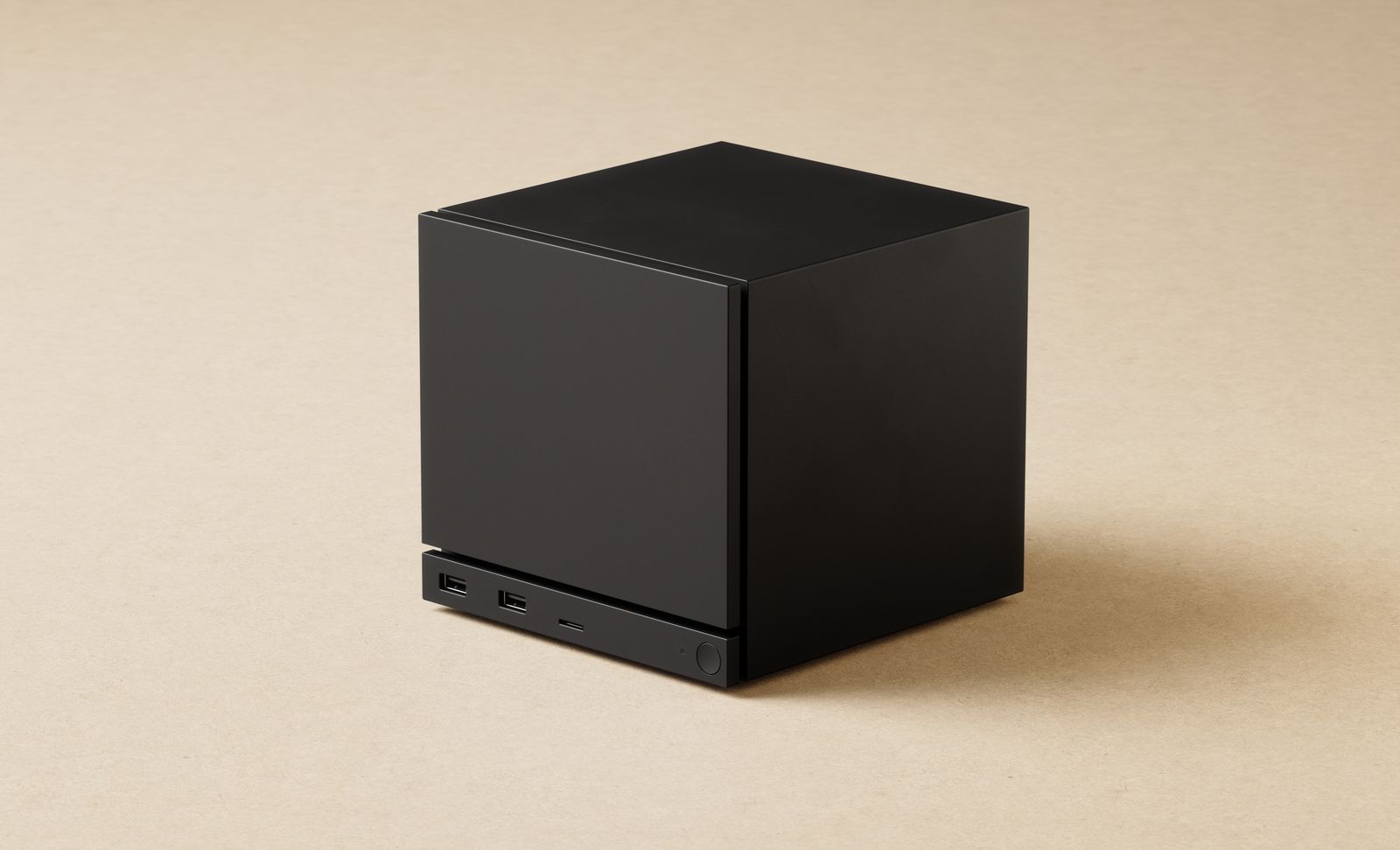
On a quiet Monday that quickly turned electric, the gaming world was jolted awake when Valve Software unexpectedly opened reservations for its highly anticipated, next-generation iteration of the Steam Machine. This sophisticated marvel of modern engineering compresses a fully realized, high-performance gaming computer into a remarkably compact six-inch black cube that looks more like a piece of high-end, minimalist living room decor than a roaring gaming rig. Designed to sit comfortably beneath a television, the device represents Valve’s latest crusade to bridge the historical divide between the cozy, plug-and-play simplicity of home consoles and the raw, customizable horsepower of PC gaming. At the heart of this diminutive powerhouse is SteamOS, the very same slick, Linux-based operating system that catapulted the portable Steam Deck to global stardom, modified here to accommodate large-screen displays and heavy-duty desktop-level tasks. Yet, while the aesthetic is undeniably futuristic—complete with a highly customizable front-facing LED panel that can track download progress, light up with vibrant patterns, or be turned off entirely—the excitement surrounding its sudden reveal was immediately tempered by a heavy dose of economic reality.
The sheer sticker shock of the announcement sent ripples through online forums, revealing a pricing structure that is far higher than most enthusiasts had ever anticipated. To bring this premium cube into your home, Valve is asking for a steep entry fee of $1,049 for the base model, which features an internal 512GB solid-state drive (SSD), while gaming enthusiasts looking to store a massive library of modern blockbusters will have to shell out a staggering $1,349 for the higher-end 2TB edition. Both tiers include one of Valve’s newly redesigned, highly ergonomic Steam Controllers, but the high price represents a massive strategic pivot from a company that previously made headlines by selling the entry-level Steam Deck practically at cost in order to build market share. In an unusually candid and preemptive post on the official Steam blog, Valve’s management team expressed their own frustration with this steep pricing, explaining that the ongoing global memory and storage shortage forced their hand. They noted that the final consumer costs reflect the harsh and volatile state of global manufacturing, specifically pointing out that these prices are a direct consequence of the sky-high component acquisition rates they have been forced to navigate over the past six months of supply chain planning.
Under its hood, the 2026 Steam Machine is a testament to what modern silicon engineering can achieve when pushed to its limits, even as it struggles under the macro-environmental problems facing the tech sector. Both models are driven by semi-custom AMD master processors and graphics units, bolstered by 16GB of high-speed RAM, modern Bluetooth capabilities, an ethernet port, and an easily accessible MicroSD card slot for immediate storage expansion behind a clever, removable faceplate. The hardware architecture is designed with an uncompromising philosophy of digital freedom, meaning there are no artificial software guardrails to restrict what users can do with their purchase. Unlike traditional gaming consoles that lock players into rigid, strictly monetized ecosystems, this black cube can be effortlessly transformed into a standard, fully functioning desktop Linux computer by simply plugging in a mouse, keyboard, and display. This open-source accessibility invites a vibrant community of modders, developers, and digital hobbyists to treat the machine as a blank slate, offering a breath of fresh air in an era increasingly dominated by closed systems and digital rights management restrictions.
However, the staggering premium required to join this open-source revolution is a direct, painful consequence of a wider global technology crisis. The insatiable, cash-flush artificial intelligence industry has triggered a massive bottleneck in the global supply of high-performance RAM and SSDs, successfully pricing out consumer electronics operations and causing systemic shortages. This ongoing hardware squeeze has not only inflated the manufacturing cost of Valve’s new device but has also triggered price hikes for established consoles and dramatically ballooned the cost of building a personal computer from scratch. This environment has made interactive entertainment a prohibitively expensive venture, particularly for casual players, students, and budget-conscious families who are increasingly squeezed out of the medium. For Valve, whose guiding historical ambition has been to democratize PC gaming by breaking the Windows monopoly and introducing Linux to the masses, this market volatility threatens to relegate their beautifully designed Steam Machine to a luxury status symbol, turning what should have been a mass-market catalyst into an expensive plaything for affluent early adopters and enthusiastic technologists.
This supply chain fragility paints a cautionary picture for the broader video game industry, casting a shadow over the future roadmaps of major console manufacturers. If a tech titan like Valve, which commands an absolute titan’s share of the global PC gaming sector through its Steam platform, is struggling to navigate these economic headwinds, it suggests that consumers should brace themselves for prolonged disruption and rising costs across the entire hardware board. Rumors have long swirled that Microsoft intends to launch a revolutionary new Xbox console around the holiday season of 2027, but with physical component costs showing no signs of stabilizing, hardware developers will face a brutal choice: release new machines at staggering, anti-consumer price points, or delay their next-generation plans by several years until the global market recovers. This reality underscores a worrying trend for gamers everywhere, showing that the physical building blocks of our beloved pastime are no longer dictated by the creative needs of game developers, but rather by the massive physical resource demands of global enterprise AI infrastructures.
Despite these grim financial circumstances, the human desire to own a piece of cutting-edge technology remains incredibly powerful, as evidenced by the dramatic events of the machine’s launch window. Within a mere ten minutes of the storefront page quietly going live—long before Valve’s marketing team could even draft an official social media announcement—the entire initial shipment of the 2026 Steam Machine was completely claimed, flashing an intimidating “out of stock” banner to thousands of latecomers. Recognizing the immense frustration this would cause and seeking to protect their community from the predatory clutches of online resellers and scalper bots, Valve quickly implemented a thoughtful, randomized lottery system to manage future reservations. Anyone interested in purchasing the system can register their name in a digital pool without the manic pressure of frantic, seconds-long checkout races, after which Valve will randomize the queue to distribute purchase invitations fairly, placing unsuccessful applicants onto an organized waiting list. This human-centric approach to a hardware launch offers a tiny glimmer of fairness and community respect, proving that even in a landscape disrupted by global shortages and rising costs, a company can still strive to put its players first.