


A Space Venture Takes Off: Starfish Space’s Bold Step Forward
Imagine a world where satellites don’t just float aimlessly in the vast ocean of space, waiting for their endgame; instead, they’re cared for like prized vehicles in a cosmic garage. That’s the vision behind Tukwila, Washington-based Starfish Space, a company born from the innovative spirit of engineers dreaming big. On February 7, 2026, the company hit a major milestone: a $54.5 million contract from the U.S. Space Force’s Space Systems Command to build another Otter spacecraft. This isn’t just another deal—it’s a testament to how human ingenuity is transforming the final frontier. Founded by Austin Link and Trevor Bennett, both veterans of Jeff Bezos’ Blue Origin, Starfish Space started small but is rapidly becoming a key player in keeping Earth’s orbit clean and functional. This new contract, revealed lately, builds on their growing reputation for reliable, agile tech. It’s easy to forget that every satellite up there represents billions in investment, from global communications to weather tracking, and without proper maintenance, they become space junk hazards. Starfish’s Otter is more than a machine; it’s a guardian, ensuring these assets stick around longer, much like a skilled mechanic extending the life of a beloved classic car. But Otter’s potential goes beyond repairs—it could represent our civilization’s commitment to responsible space stewardship. As satellites grow in number, orbiting like tiny cities above us, tools like Otter remind us that we don’t have to treat space as a disposable realm. Foremployees at Starfish, this award likely brings a wave of excitement, validating years of tireless prototyping and late-night coding sessions in dimly lit offices. And for the Space Force, it means enhanced resilience against the unknowns of orbital threats. Think about it: in a geopolitical landscape where space is the new battlefield, having a nimble responder like Otter could mean the difference between losing a critical communication link and seamlessly adapting missions. This contract isn’t isolated; it’s part of a larger narrative of technological acceleration, where private companies like Starfish blend entrepreneurial energy with military precision. The announcement comes at a time when space exploration feels more accessible than ever, thanks to tech giants and startups alike. Yet, Starfish stands out for its focus on practicality—turning sci-fi dreams of satellite servicing into everyday operations. In human terms, this means safer skies for weather satellites that warn us of hurricanes, stronger connectivity for our global internet, and perhaps even artistic leaps, as Otter’s artist depictions inspire a new generation of space enthusiasts. As Link might say over a casual coffee in Starfish’s humble HQ, it’s about making space work for humanity, not just harnessing it. This award, timed perfectly in early 2026, signals a bright chapter for the company, one where innovation meets necessity in the high-stakes theater of geosynchronous orbit.
Behind the Scenes: Contracts and Programs Fueling the Revolution
Diving deeper into the financial and strategic backbone, this $54.5 million deal isn’t Starfish Space’s first rodeo with the U.S. Space Force. It cleverly piggybacks on a prior $37.5 million contract from 2024, awarded through the Department of the Air Force’s Strategic Funding Increase program, known as STRATFI. Think of STRATFI as a booster rocket for defense tech, providing seed money to turn prototypes into production-ready wonders. But this new agreement is powered by a Pentagon initiative called Accelerate the Procurement and Fielding of Innovative Technologies, or APFIT—a name that sounds like a race car program, and fittingly, it’s designed to fast-track emerging tech to the battlefield, or in this case, the battlefields of space. Starfish proudly declares this as the only APFIT contract handed to a space company in the current funding cycle, and it’s among the largest in the program’s storied history. This rarity shines a spotlight on Starfish’s edge: they’re not just building hardware; they’re pioneering autonomous systems that adapt to real-world orbital chaos. For onlookers, it’s akin to a startup in Silicon Valley scoring exclusive funding to disrupt an industry, but here the disruption is literal orbits being nudged back into shape. Funds like these come from taxpayer dollars, funneled through bureaucratic pipelines, yet they empower human stories of perseverance. Austin Link, as the co-founder, embodies this journey. Having cut his teeth at Blue Origin, where towering rockets lifted astronauts, Link now oversees a more intimate operation: crafting spacecraft that zip around existing satellites like agile mechanics. His quote in the release captures that blend of pride and purpose: “We’re proud to grow our partnership with the Space Force under the APFIT program.” It’s not corporate jargon; it’s a nod to teamwork between public and private sectors, where government contracts translate into real jobs and innovations that benefit society. Without APFIT’s accelerator, projects like Otter might languish in labs, delayed by red tape. Instead, this program embodies America’s push to outpace global competitors in space, ensuring that homegrown talent like Starfish leads the charge. For the workforce, such contracts mean stability amid the uncertainties of early-stage companies, like a steady paycheck for families in Tukwila, Washington. And for taxpayers, it’s an investment in security—preventing orbital brawls or costly debris fields that could endanger future missions. This interconnected web of funding programs highlights how policy shapes technology, turning abstract concepts into tangible spacecraft. As 2026 unfolds, Starfish’s role in APFIT sets a precedent for more collaborations, where human ambition meets institutional support to conquer the stars.
The Magic of Otter: A Servicer with a Heart
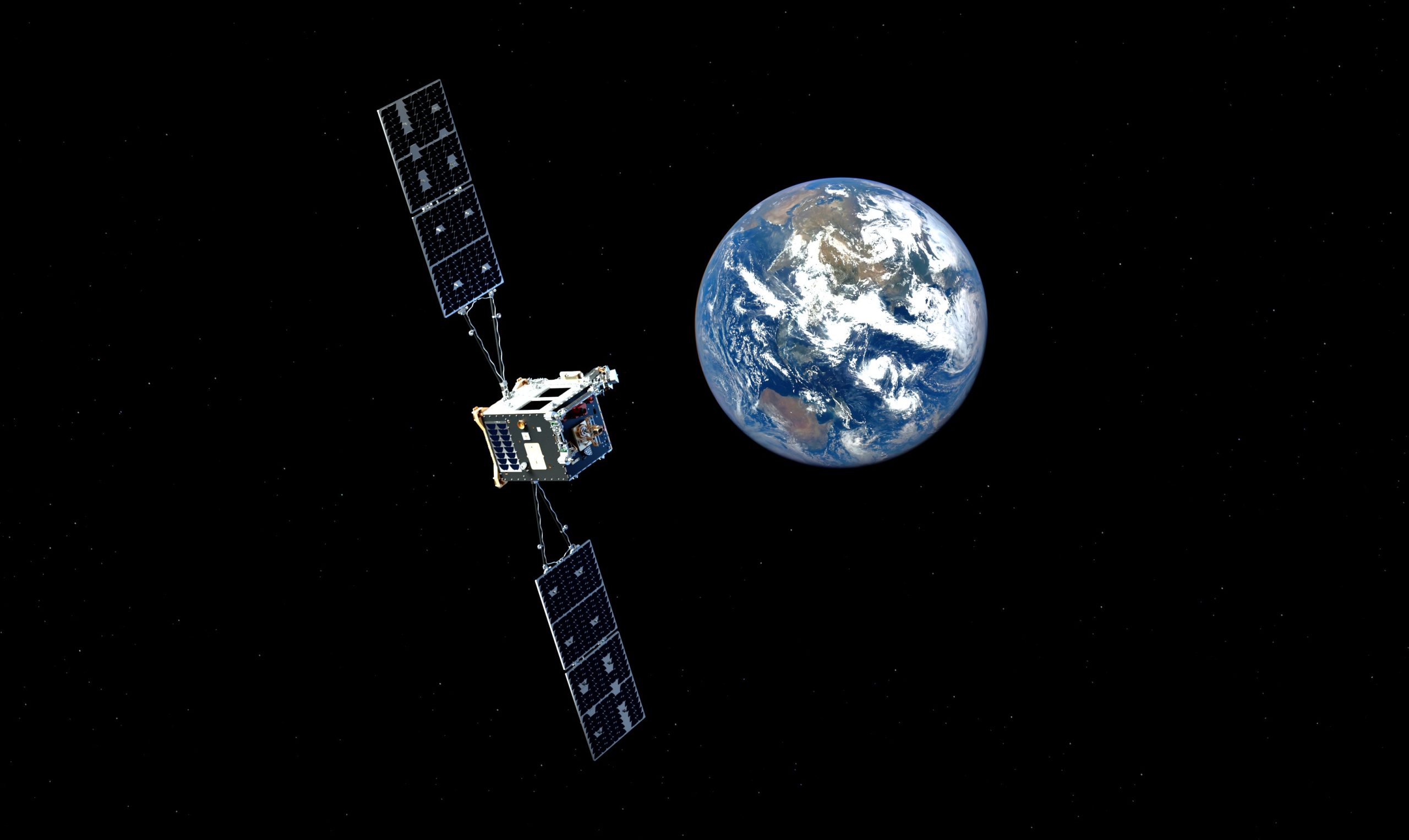
At the heart of Starfish Space’s saga is the Otter spacecraft—a marvel conceived for dynamic operations in geosynchronous Earth orbit, that sweet spot 22,000 miles up where satellites hover like sentinels over continents. This 2028-delivery from the new contract mirrors the previous STRATFI-funded Otter, tasking Starfish with a vessel adept at autonomous inspection and docking. But here’s where it gets personal: Otter isn’t picky about its clients. It can service satellites not originally designed for on-orbit tweaks, transforming rusty, outdated machinery into rejuvenated assets. Imagine Granny’s old sewing machine—forgotten in the attic until a clever grandson breathes new life into it. Otter does that for satellites, potentially boosting them into higher orbits to defy gravity’s pull and extend operational life by years, or gently nudging them downward for safe disposal, averting the cosmic equivalent of littering. This flexibility underscores a human touch in engineering: empathy for machines that serve us invisibly. Just last month, Starfish clinched a separate $52.5 million contract from the Space Force’s Space Development Agency for military satellite disposal, a niche that’s both lucrative and humanitarian. It’s like having a reliable tow truck for the heavens, ensuring obsolete gear doesn’t threaten GPS signals guiding our cars or emergency services finding lost hikers. Austin Link’s words echo this ethos: “APFIT is a key program in transitioning platforms like Otter from development to deployed capability.” Through “dynamic space operations and autonomous augmented maneuver,” Otter empowers the Space Force to sustain space assets, boosting resilience and flexibility. In real life, this means less downtime for essential satellites, from broadstroke internet providers to precise espionage tools. For astronauts or engineers dreaming of manned missions, Otter represents a guardian angel, clearing paths for future explorations. It’s not just tech; it’s about sustaining our digital lifelines in an era of cyber threats and climate monitoring. As someone who’s marveled at night’s starry tapestry, I appreciate how Otter prevents space from becoming a junkyard. This spacecraft’s capabilities draw from human stories of adaptability, like mechanics fixing cars on the go. For Starfish’s team, building Otter is a passion project, fueled by evenings poring over designs, imagining the whoosh of maneuvers. And for humanity, it’s insurance against obsolescence, ensuring our investment in space endures. By 2028, when this Otter activates, it’ll tell tales of innovation meeting necessity, one orbital adjustment at a time.
Prototypes and Proof: Starfish’s Testing Grounds
Starfish Space’s progress isn’t hypothetical; it’s grounded in real-world trials that tug at the heartstrings of any tinkerer. Take Otter Pup 2, their prototype launched last year and now soaking in geosynchronous tests— a pint-sized pioneer proving concepts before the full fleet arrives. It’s like sending your kid’s homemade remote-control car to the races to test the chassis, except this “car” navigates the vacuum of space with grace and precision. These trials validate Otter’s autonomy, from inspecting satellites for wear like a doctor checking a patient’s pulse to docking with them seamlessly, even those built without servicing in mind. Three full-scale Otters are in the pipeline, each with a unique mission, painting a picture of diverse applications. One’s dedicated to Space Systems Command, another to a satellite maneuvering demo funded by SES, the satellite company powering global TV and internet, and a third to a NASA-funded inspection mission—diversifying impact from military safeguards to everyday connectivity. For onlookers, Otter Pup 2’s journey embodies hope: what starts as a risky prototype evolves into a hero. I can almost envision the launch team’s cheers as it ascended, a culmination of sleepless nights. This hands-on testing isn’t glamorous; it involves meticulous data analysis and tweaks, much like perfecting a family recipe. Yet, it humanizes space tech—turning abstract orbital mechanics into tangible stories of success. Starfish’s partnerships add layers: the SES demo could revolutionize how commercial satellites adapt, ensuring smoother broadcasts amid solar storms. NASA’s involvement infuses scientific rigor, potentially aiding discoveries from space telescopes. For Americans, this means resilient infrastructure—fewer blackouts in net service or lost military signals. And for Starfish employees, each test run is a step toward legacy, with parents at home proudly sharing updates. Otter Pup 2’s ongoing saga reminds us that innovation thrives on iteration, echoing Edison’s lightbulb trials. As 2026 progresses, these demonstrations will likely inspire a new wave of space enthusiasts, from schoolkids sketching starships to retirees pondering humanity’s reach. In essence, Starfish’s prototypes bridge the gap between blueprint and reality, transforming ethereal dreams into orbital realities that serve global needs.
Founders and Funding: The Human Element of Startup Stardom
Zoom out to the origins, and Starfish Space’s story becomes a testament to entrepreneurial grit. Founded in 2019 by Austin Link and Trevor Bennett, both ex-Blue Origin engineers who witnessed Bezos’ rockets roar skyward, the company emerged from the fertile minds of space insiders craving autonomy. Link and Bennett, like many dreamers, swapped the structured world of big corporations for the rollercoaster of startups, where every dollar counts and failures teach tougher lessons. Their background—honed in the heat of Blue Origin’s launches—infused Starfish with a blend of reliability and boldness, turning satellite servicing from concept to challenge. By 2024, after years of bootstrapping and prototyping, Starfish snagged $29 million in investments, a milestone that capped their development juggernaut. At the time, cumulative funding hit about $50 million, a modest sum in space terms but a giant leap for a team of underdogs. This 2024 raise wasn’t just cash; it was validation, enabling the trio of Otters now in assembly—proof that backers believed in their vision. Imagine the late-night pitches, the investor scrutiny, and the triumphant board meetings; Starfish embodies the human drama of innovation, where personal sacrifices build collective futures. For Link’s family, perhaps, evenings were shared brainstorming, balancing ambition with fatherly duties. Bennett, too, likely juggled creative sparks with the realities of funding rounds. Their journey highlights how space doesn’t just belong to governments or megacorps; it’s open to passionate folks willing to gamble. This funding enabled hires, tests, and expansions, sustaining a thriving culture in Tukwila, Washington. As a businessman, I admire how Starfish navigated the Valley of Death for startups, emerging stronger. Their accomplishments signal a shift, where ex-elite engineers democratize space exploration. In broader terms, Starfish’s story inspires: from garage workshops to orbital docks, it’s a narrative of perseverance. As contracts like the new $54.5 million one roll in, it reaffirms that human creativity, not just capital, propels ventures forward. For aspiring entrepreneurs, Starfish is a blueprint—start small, dream orbital, and watch partnerships flourish.
Looking Ahead: Otter’s Role in Tomorrow’s Space Odyssey
As we gaze toward 2028 and beyond, Starfish Space’s Otter spacecraft symbolizes humanity’s evolving relationship with the cosmos—a guardian poised to redefine how we inhabit and manage the stars. This new contract, fueled by APFIT, isn’t merely business; it’s a covenant for sustainability, ensuring satellites serve generations without succumbing to decay or debris. Picture a future where hurricanes are forecast with pristine accuracy because weather sats remain operational, or where global collaborations endure unshaken by orbital anomalies. Otter could be the unsung hero in this tale, its autonomous maneuvers evoking pilots deftly avoiding airspace turbulence. For everyday folks, it means uninterrupted streaming of favorite shows, accurate GPS guiding road trips, and secure military communications safeguarding loved ones. The Space Force’s vision, articulated through Link, champions “dynamic space operations and autonomous augmented maneuver” to “sustain critical space assets, increase resilience and maintain operational flexibility.” In plain speak, it’s about adaptability amid uncertainties, from solar flares to geopolitical tensions. Starfish’s expansion, backed by contracts totaling over $54 million recently, positions them as pivotal players, blending commercial savvy with governmental trust. Yet, this growth carries responsibility: ethical disposal, equitable access, and environmental consciousness in space. As someone reflecting on these developments, I feel optimism—these are the stories that shape our legacy. Otter Pup 2’s tests and the impending launches whisper of progress, inspiring kids to pursue STEM, much like their predecessors did space race feats. For Starfish’s founders, Link and Bennett, this marks maturation from idea to impact, a journey of camaraderie and challenge. Policymakers, too, gain a model for public-private synergy, where APFIT’s acceleration betters defense and society. In closing, Starfish Space’s ascent reminds us that space exploration is profoundly human—driven by curiosity, fortified by collaboration, and aimed at a future where we thrive, not just survive, among the stars. As Otter orbits take shape, let’s cheer the ingenuity that keeps our world connected, one satellite at a time.