


Starcloud: Pioneering AI Data Centers in Space
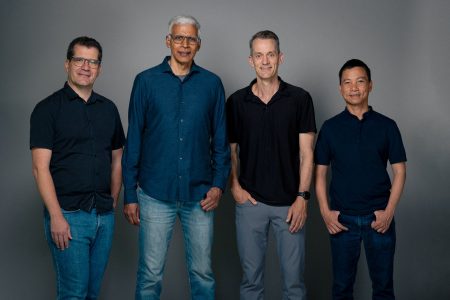
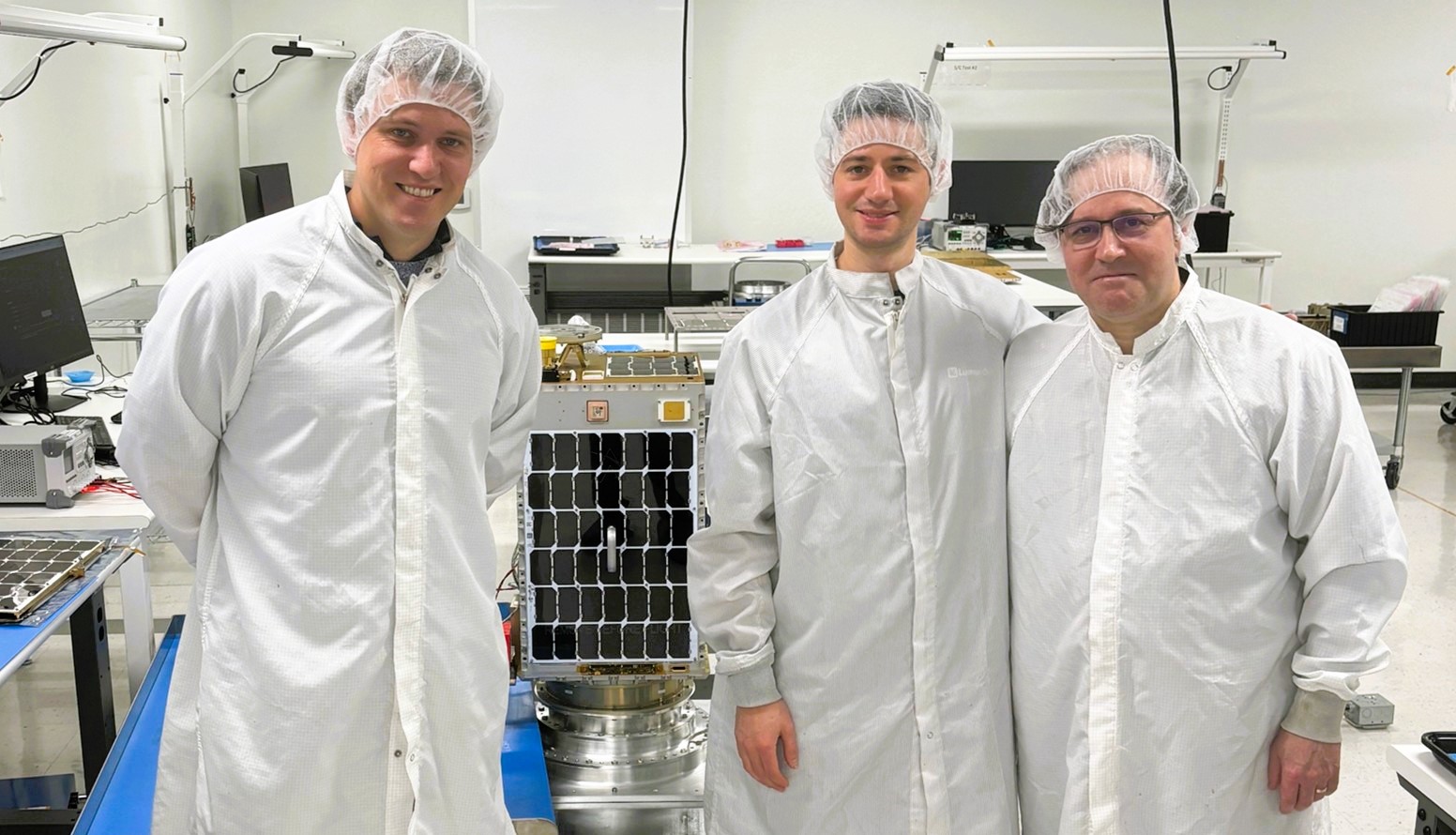
In an ambitious leap toward the future of artificial intelligence, Seattle-area startup Starcloud has successfully taken the first steps in what could become a multibillion-dollar space-based data center business. Led by CEO Philip Johnston, CTO Ezra Feilden, and chief engineer Adi Oltean, this young company founded in 2024 is reimagining how AI processing can operate beyond Earth’s atmosphere, addressing the growing challenges of power, cooling, and space that terrestrial data centers face.
Starcloud’s business model is refreshingly different from traditional data services. Rather than managing AI data processing themselves, they provide the infrastructure—solar-powered satellites equipped with cooling systems and communication capabilities—while partners like Denver-based Crusoe Cloud provide and operate the actual processing chips inside. “In the long term, you can think of this more like an energy provider,” Johnston explains. This arrangement creates a significant financial advantage, as the chips represent the most expensive component of the operation. The economic potential is staggering: Johnston outlines a contract for “10 gigawatts of power from 2032 for five years, at 3 cents per kilowatt-hour,” which translates to a $13.1 billion energy deal. This vision positions Starcloud as a utility provider in space, serving the massive computing needs of AI development while bypassing many of Earth’s physical limitations.
Starcloud marked a historic achievement last month with the successful launch of Starcloud-1, a 130-pound satellite equipped with an Nvidia H100 chip. The mission aimed to prove that AI hardware could function reliably in the harsh radiation environment of space—and it succeeded impressively. The satellite trained a large language model called NanoGPT on Shakespeare’s complete works, a first for space-based computing. Even more remarkably, it ran a pre-trained version of Google’s Gemma model, which greeted Earth with a touch of cosmic humor: “Greetings, Earthlings! Or, as I prefer to think of you—a fascinating collection of blue and green.” Former Google CEO Eric Schmidt called the demonstration “a seriously cool achievement,” signaling recognition from tech industry leaders. Beyond these early demonstrations, the satellite will soon begin practical work analyzing synthetic-aperture radar data from Capella Space’s constellation, processing information in orbit rather than waiting days for data to downlink through slow ground-station connections.
The company’s ambitious roadmap reveals the scale of their vision. Starcloud-2, scheduled for launch next October, will feature approximately 100 times the power-generating capability of its predecessor and carry multiple H100 chips alongside Nvidia’s more advanced Blackwell B200 processor. Johnston also hinted at a partnership with a major “hyperscaler” company, though he couldn’t yet reveal which one. Following this will be Starcloud-3, a significantly larger 2-ton, 100-kilowatt spacecraft designed to launch on SpaceX’s Starship in its “Pez Dispenser” configuration. The ultimate goal is breathtaking in scope: a constellation of tens of thousands of satellites in low Earth orbit, forming a global network connected by laser links. This would allow data to travel from one satellite to the next around the entire planet, creating a space-based data processing highway that could potentially transform how AI systems operate on a global scale.
Despite the revolutionary nature of their plans, Starcloud faces significant hurdles and competition. The company has raised approximately $34 million to date, enough to fund their next two launches, but will likely seek a Series A funding round in early 2026 to support Starcloud-3’s development. Currently operating with just 12 team members, Johnston anticipates tripling the company’s size while remaining headquartered in Redmond, Washington. Competition is intensifying as industry giants take notice of space-based computing—Google recently announced Project Suncatcher, while SpaceX’s Elon Musk and Blue Origin’s Jeff Bezos have expressed interest in similar concepts. Nevertheless, Johnston remains confident in Starcloud’s position, noting they have “a massive head start” with working technology already in orbit. Rather than viewing these developments as threats, he sees potential partnership opportunities with larger players in the field.
The implications of Starcloud’s vision extend beyond low Earth orbit. Johnston’s team is already exploring the possibilities of positioning satellites in lunar orbits and Lagrangian points—gravitationally stable locations in space—which could actually offer lower radiation environments than LEO. As terrestrial data centers consume increasingly unsustainable amounts of power, space, and cooling resources to meet the explosive growth of AI systems, Starcloud’s approach offers a compelling alternative. By harnessing abundant solar energy in space and utilizing the natural vacuum environment for cooling, these orbital data centers could address multiple challenges simultaneously. If successful, this Seattle startup could fundamentally transform how we think about computing infrastructure, moving critical AI processing from server farms on Earth to a distributed network circling our planet—and perhaps eventually extending to other celestial bodies. In Starcloud’s vision, the next frontier for artificial intelligence isn’t just metaphorical; it’s literally the final frontier.