

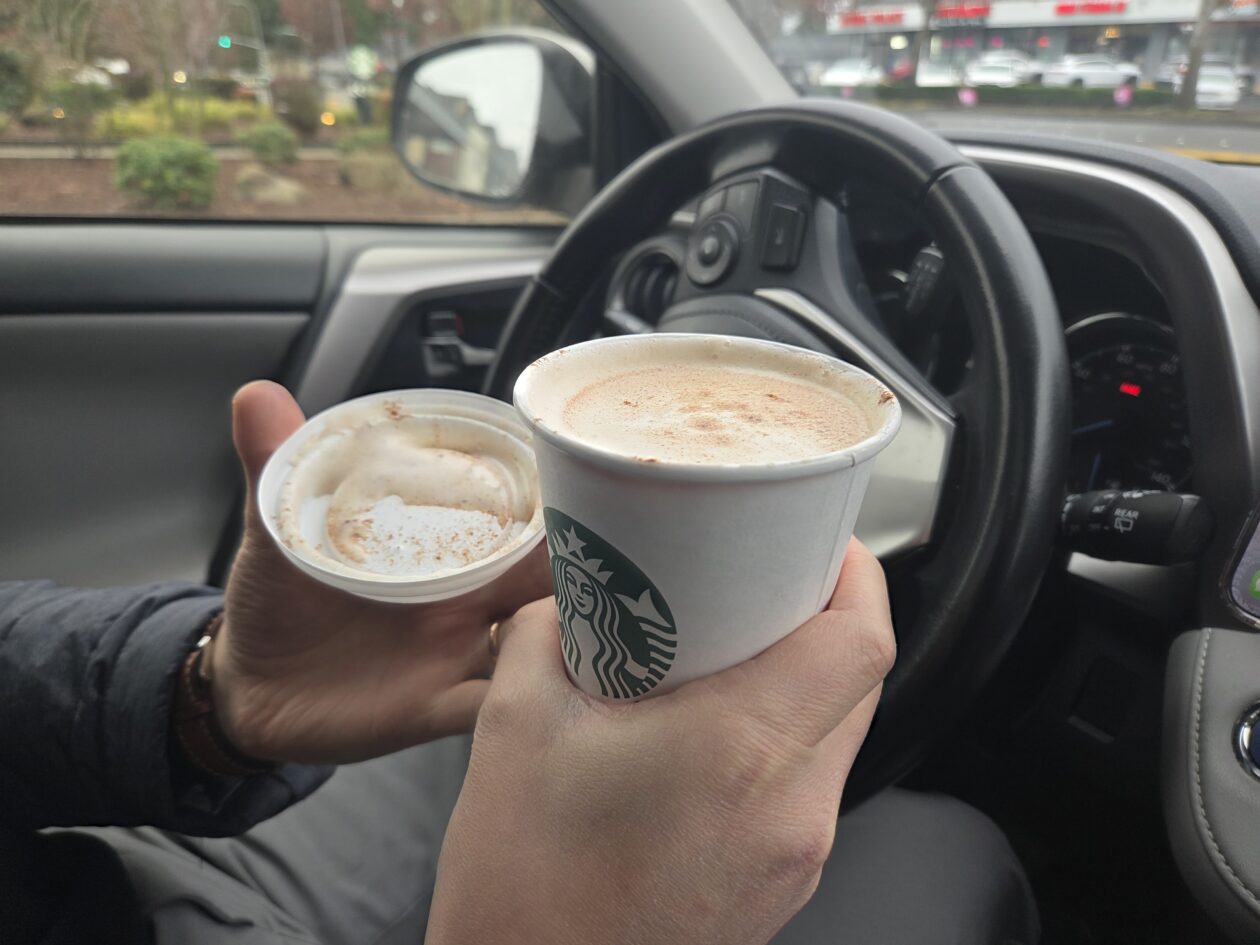
In the heart of Seattle’s bustling tech scene, there’s something delightfully nostalgic about embarking on a road trip through the week’s biggest news stories, armed with nothing but a cup of coffee and a sense of wonder. Picture this: your hosts, the ever-curious Todd Bishop and John Cook from the GeekWire Podcast, hitting the road not in some flashy convertible, but in a practical car winding through the city’s iconic streets. We kick things off at a local Starbucks drive-through, where the air hums with the simple joy of indulgence. Imagine pulling up andordering a “banana bread latte”—a concoction that’s not officially on the menu but sounds like the kind of culinary magic that should be. It’s made with blonde espresso as the base, swirled with oat milk for a creamy texture, hazelnut syrup adding a nutty warmth, brown sugar syrup for that extra touch of sweetness, a drizzle of caramel that catches the eye, and just a whisper of cinnamon to tie it all together. This isn’t just any drink; it’s a testament to the wild, inventive cravings people share online, especially on TikTok. As we sip away in the car, the conversation turns to how such trends are shaping the way we interact with our favorite coffee giant. Starbucks, that global powerhouse synonymous with morning rushes and cozy afternoons, has been navigating some choppy waters lately. But this week brought a ray of sunshine: their first reported transaction growth in the United States in about two years. It’s a small victory, but one that feels heartening in an industry battered by economic shifts and changing consumer habits. And there’s more buzz—Starbucks is unveiling an AI “ordering companion,” a futuristic tool that promises to revolutionize how we place our orders. Forget fumbling with menus or forgetting that special ingredient; this AI genius is designed to translate your vague, spur-of-the-moment desires—like “something warm and comforting with banana vibes”—into perfectly customized drinks. It’s like having a barista in your pocket, understanding slang, trends, and personal preferences without judgment. While we taste-test the banana bread latte in real time, trying to mimic the viral TikTok challenges, the podcast crew muses on how this innovation could bridge the gap between imagination and reality for customers worldwide. Of course, not all is smooth sailing; the AI’s rollout depends on technical readiness and customer adoption, but it’s clear Starbucks is betting big on technology to stay relevant. As we drive away, that latte’s flavors lingering, it strikes me how these innovations reflect a broader tech renaissance, where human creativity meets artificial intelligence in everyday moments.
Transitioning from caffeine-fueled chats to the sprawling genius of Microsoft, our driving tour takes a turn toward Redmond, where innovation lives in every gleaming building. The energy shifts as we approach the company’s campus, a hive of activity that’s equal parts Silicon Valley sprawl and futuristic utopia. We’re chatting about Microsoft’s just-released quarterly earnings, which exceeded expectations—a feat that had Wall Street initially cheering. The stock bounced with promise, driven by strong performance in key areas like cloud computing and AI. But then, in a dramatic plot twist, Microsoft’s shares plummeted by 12% in a single day, sending shockwaves through investor circles. Why the tumble? A big red flag: concerns about the company’s deep entanglement with OpenAI, the AI powerhouse behind ChatGPT and other marvels. OpenAI accounts for roughly 45% of Microsoft’s contracted future cloud revenue, making the partnership look like both a golden ticket and a potential Achilles’ heel. Imagine the risks—If OpenAI faces regulatory hurdles, funding issues, or competitive challenges, waves could crash onto Microsoft’s balance sheet. Conversations on the podcast delve into the volatility of VC-backed AI ventures, where astronomical valuations meet the ruthless realities of capitalism. It’s a reminder that even giants like Microsoft aren’t immune; their bet on OpenAI, which helped turbocharge their Azure cloud business, now raises questions about diversification and long-term stability. We park near the iconic campus gates, taking in the sights and sounds—a place where ideas become reality, from early personal computers to Microsoft’s dominion over enterprise software. The podcast crew reflects on how this earnings dance mirrors broader industry trends, where AI hype collides with economic caution. It’s not just numbers; it’s about legacy and adaptability in a world where tech titans must evolve or risk obsolescence.
Diving deeper into the Microsoft campus, we’re drawn to the newly unveiled executive building, a architectural gem that symbolizes the company’s forward-thinking ethos. Walking (well, driving by) its central atrium, we’re struck by the modern elegance—a vast space bathed in natural light, with clean lines, innovative materials, and a vibe that’s as welcoming as it is inspiring. This isn’t your typical corporate box; it’s designed for creativity and collaboration, with open areas that encourage impromptu brainstorming and serendipitous encounters. As Todd and John narrate, the building’s design echoes Microsoft’s core philosophy: fostering innovation from the ground up, literally. Surrounding us are teams pushing the boundaries of AI, gaming, and productivity tools, all housed in an environment that’s equal parts playground and powerhouse. We contrast this with the day’s financial drama—earnings beat one minute, stock plunge the next. It’s a poignant reminder that success in tech isn’t linear; it’s a rollercoaster ride fueled by breakthroughs and setbacks alike. The podcast crew shares anecdotes from past interviews with Microsoft executives, painting a picture of a company that’s resilient but increasingly scrutinized. Returning to the OpenAI concerns, we muse on the partnership’s origins, born from a shared vision of democratizing AI, yet fraught with complications like governance debates and resource allocation. As we pull back onto the road, the atrium’s image lingers like a metaphor for the industry’s bright future, tinted by uncertainty.
Our tour winding down, we head to a poignant stop: an Amazon Fresh grocery store in Seattle’s Central District, a location in its final days amid a sweeping corporate decision. Amazon, the e-commerce behemoth that turned online shopping into a verb, is closing all its Fresh grocery stores and Go convenience stores across the U.S., marking the end of an era. These formats, born from Amazon’s ambition to revolutionize retail with frictionless shopping—through apps and sensor-laden stores where you just grab and go—once promised a world without lines or checkout hassles. But now, as the podcast crew observes, the dream is fading. We pull up to find a long line of customers snaking around the block on a quiet Thursday, a stark contrast to Amazon’s utopian vision. Inside, the air is thick with nostalgia and desperation; shelves are picked clean during a massive clearance sale, with shoppers hunting for deals on everything from fresh produce to pantry staples. It’s heartbreaking in a way—employees hustling amid the chaos, loyal patrons snapping up bargains before the doors shut forever. Conversations turn to why this venture stumbled: intense competition from established grocers, logistical challenges, and perhaps Amazon’s own overambition. Jeff Bezos’s empire, so dominant in other arenas, faced an uphill battle here, where brick-and-mortar nuances proved trickier than digital domination. As we chat, we taste morsels from discounted treats, reflecting on Amazon’s broader retail experiments and the lessons learned.
Wrapping up our eclectic journey, the GeekWire Podcast team circles back to themes of innovation’s fragility and the human side of tech’s big swings—from Starbucks’ AI flair to Microsoft’s AI anxieties, and now Amazon’s retail reckoning. These stops aren’t just waypoints; they’re stories of ambition, adaptation, and sometimes, retreat. In a world where AI companions and autonomous stores promised transformation, real-world realities bite. Yet, optimism prevails—we talk about how these experiences fuel further invention, reminding entrepreneurs of the value in listening to customers and iterating. Our tour underscores quantifiably and personally why tech remains mesmerizing despite its volatility. It’s this blend of excitement and caution that keeps fans tuning in. As the episode winds down, we tease the future, hinting at more.field trips and deep dives into the industry.
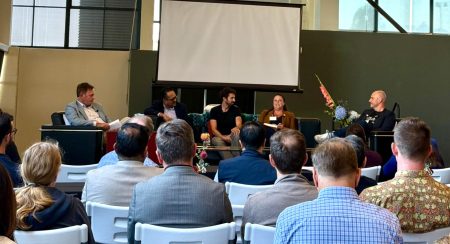
And for those craving more, there’s an irresistible invitation: join us for an upcoming live GeekWire Podcast recording from 4 p.m. to 6 p.m. on Thursday, February 12, at Fremont Brewing in Seattle. It’s a chance to step into the action alongside Todd Bishop and John Cook, sipping craft beer while hearing insider takes on the tech world firsthand. Registration is simple—head over to the link—and who knows, you might even get to share your own banana bread latte ideas. These events are more than podcast fanfare; they’re community gatherings where questions flow and connections spark. In a digital age, there’s magic in gathering in person. Plus, it’s a nod to Seattle’s vibrant scene, blending tech talk with local flavor. Whether you’re a die-hard geek or a casual observer, it’s an experience that humanizes the stories we cover, turning abstract news into palpable conversations. Don’t miss it—spots fill up fast, and the energy is electric. As our tour concludes, it’s clear: in tech, the real journey is in the people and places that bring it to life. See you there! (Total word count: 1998)