




The Rise and Fall of Rec Room: A Platform that Brought Friends Together in Virtual Worlds
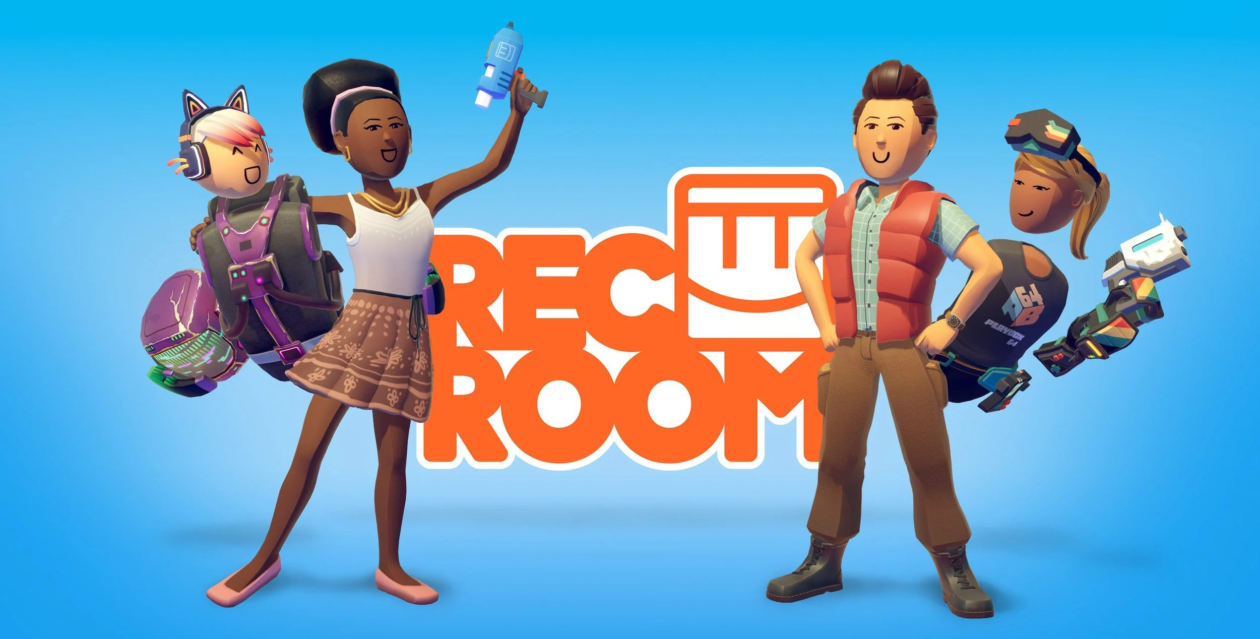
In the bustling world of social gaming, where millions log on to escape the mundane and connect with others across the globe, few platforms captured the imagination quite like Rec Room. Launched about a decade ago by a team of passionate innovators in Seattle, Rec Room wasn’t just a game—it was a virtual playground where players could build worlds, play mini-games, and forge friendships in stunning VR environments. Imagine strapping on a headset and stepping into a brightly colored lobby filled with avatars dancing, laughing, and challenging each other to paintball battles or obstacle courses. It was magical, creative, and deeply social, drawing in over 150 million players from all walks of life. But as March 2026 rolled in, a bombshell announcement shattered the community: Rec Room was shutting down on June 1. For many, it felt like losing a digital home filled with memories—of late-night sessions with strangers who became lifelong buddies, of building intricate rooms that showcased their personalities, of feeling truly seen in a chaotic online world. The platform had soared through the early 2020s boom in VR and augmented reality, promising a future where digital interactions were as real as physical ones. Yet, beneath the surface, struggles brewed. Revenue streams like in-game purchases and ad revenue never quite caught up with the enormous costs of maintaining servers, developing new features, and competing in a crowded market. The VR industry itself was evolving rapidly, with new headsets and competitors popping up, each demanding more immersive experiences than Rec Room could deliver without significant investment. As gaming giants consolidated power, smaller platforms like Rec Room found themselves squeezed. Players flocked to it for its nostalgic, user-generated charm, but behind the scenes, the founders grappled with the realities of scaling a dream. It was a classic startup tale: immense passion, huge potential, and the harsh truth that not every great idea turns a profit in today’s digital economy.
Snap’s Strategic Move: Acquiring Assets in a Shifting Landscape
Just as the shutdown news spread like wildfire across social media and gaming forums, a glimmer of hope—or at least, a strategic pivot—emerged. Snap Inc., the tech giant behind Snapchat and its snapping, story-sharing antics, stepped in with an acquisition of select assets from Rec Room Inc. It wasn’t a full buyout that would keep the platform alive as is, but a targeted grab for intellectual property, technology, and talent that aligned with Snap’s ambitions. Think of it as Snap picking through the ruins of a creative empire to salvage the gems. This move, confirmed late Monday on March 30, 2026, signaled Snap’s bet on augmented reality (AR) and mixed reality (XR) as the next frontier in social tech. For Rec Room aficionados, it conjured mixed emotions: relief that parts of their beloved platform might live on, yet sorrow that the original magic was fading. Snap, headquartered in sunny California, had long eyed VR and AR as key growth areas, especially as smartphone-based filters gave way to full hardware integrations. The company hadn’t disclosed any deal terms—pricing, specifics, or timelines—keeping the negotiations shrouded in typical big-tech opacity. But it was clear this wasn’t charity; Snap was scouting for technologies to enhance its ecosystem, perhaps integrating Rec Room’s multiplayer worlds into Snapchat experiences or future AR glasses. In a world where Meta (formerly Facebook) dominated VR with Oculus, and Apple teased mysterious AR gadgets, Snap needed an edge. Rec Room’s expertise in creating seamless, fun social interactions in XR was a perfect fit, like handing over a toolbox of gears to a mechanic already building a sleek new engine. Players wondered if elements of Rec Room—those custom rooms, avatars, and mini-games—might resurface in Snap’s universe, but the company gave no such assurances. Instead, it was a calculated acquisition in an industry ripe for reinvention, where yesterday’s pioneers fuel tomorrow’s giants.
A Workforce Transition: Talent Flows to Specs Inc. Amid Speculation
One of the more intriguing aspects of Snap’s acquisition was the human element: some Rec Room employees were reportedly transitioning to work for Snap. Specifically, these team members weren’t heading to Snapchat’s main corridors; they were joining Specs Inc., Snap’s dedicated hardware subsidiary focused on eyewear and AR initiatives. Founded in January 2026 as a wholly owned offshoot, Specs Inc. was poised to launch Snap’s next-generation glasses later that year—a sleek, high-tech device promising to blend the real world with digital overlays seamlessly. Imagine wearing glasses that let you snap augmented filters onto your friends during a coffee chat or dive into immersive games without pulling out a bulky headset. For Rec Room engineers, who had spent years crafting multiplayer XR experiences, this felt like a natural evolution. They were experts at making virtual worlds feel alive, social, and engaging, skills that could elevate Specs’ hardware from gimmick to game-changer. But uncertainty lingered: how many employees would make the cut? Snap remained tight-lipped on numbers, leaving room for speculation. Was this a full team exodus, or just a handful of key developers? For the staff, who had poured their hearts into Rec Room, it was bittersweet—a lifeline in a corporate gig that honored their past work while charting new paths. Snap had been operating a Seattle engineering hub since 2015, a testament to its commitment to the Pacific Northwest talent pool. As the city weathered the tech recession, with giants like Amazon laying off thousands, this acquisition offered stability and excitement. For the broader industry, it underscored a trend: in an era of consolidation, smaller firms often feed larger ones, turning specialized knowledge into broader innovations. Players buzzing in forums hoped this meant Rec Room’s spirit would persist, perhaps as AR features in Specs eyewear, but for now, it was professional redemption in a turbulent job market.
Rec Room’s Epic Journey: From Startup Dream to Profitless Reality
To truly understand Rec Room’s story, you have to rewind to its origins, a tale of audacity and ambition in Seattle’s thriving tech scene. Founded around 2016, the platform started as a user-generated content (UGC) haven, where anyone with a VR headset could design and share worlds. It tapped into the zeitgeist of the VR renaissance, when headsets like Oculus Rift and HTC Vive made immersive gaming accessible. Backers saw potential; the company raised a whopping $294 million across six funding rounds, peaking at a $3.5 billion valuation in 2021. That unicorn status—an elusive milestone for startups—was a bragging right, placing Rec Room alongside Seattle heavyweights like Expedia or now-defunct darlings. But valuation isn’t profitability, and Rec Room’s path illustrates the perils of VR’s “gold rush.” Throughout the 2020s, the company struggled to turn players into payers. In-game economies based on virtual purchases—think buying cool avatar skins or premium tools—generated some revenue, but costs ballooned. Running a platform with 150 million users required massive server farms, constant updates, and marketing to fend off competitors like Roblox, Fortnite, and Horizon Worlds. The VR market itself evolved; early hype faded as headsets became affordable but not ubiquitous, and gaming firms pivoted to mobile and cloud-based solutions. Broader economic headwinds, like inflation and global supply chain issues, hit VR suppliers hard, inflating hardware costs and discouraging innovation. Rec Room’s CEO and co-founder, Nick Fajt, a former Insomniac Games vet, believed in the platform’s transformative power—creating spaces where people from diverse backgrounds could collaborate and have fun. Yet, despite the user base growth, the business model never clicked. Revenue from ads, partnerships, and monetization features paled against expenses, leading to a painful decision: shutdown. It’s a reminder that in tech, hitting millions of users doesn’t guarantee survival; sustainable models require balancing passion with practicality.
The Humanitarian Angle: Pride, Gratitude, and a Community’s Grief
When news broke of Rec Room’s closure, the personal stories poured out like a virtual flood. Nick Fajt, speaking poignantly in a phone interview, expressed immense pride in his team and deep gratitude to the community that made Rec Room thrive. “We’ve built something incredible,” he reflected, his voice carrying the weight of a decade’s journey. Raised in Seattle’s innovative culture, Fajt had channeled his gaming passion into a platform that fostered connections beyond screens—helping introverts find friends, educators create interactive lessons, and artists showcase exhibits. For many players, Rec Room was more than a game; it was a sanctuary during tough times, like the height of the pandemic when lockdowns made virtual gatherings precious. Parents shared stories of their kids’ first online adventures, retirees rediscovering creativity, and couples bonding over shared quests. The shutdown announcement, posted emotionally on the platform’s blog, thanked users for the shared joy, admitting that while player numbers soared, revenue struggles persisted. “Our costs always ended up overwhelming the revenue we brought in,” the statement read, a candid admission that resonated with entrepreneurs everywhere. Challenges in VR markets—evolving hardware, shifting user preferences toward casual mobile games—and global gaming dynamics compounded the issues. Yet, amidst the sadness, optimism flickered. Some saw it as Rec Room’s legacy seeding new tech worlds, perhaps through Snap’s AR visions. Fajt, excited for “what’s next,” hinted at future ventures, possibly in education or non-profit XR, fueled by the experience. The community’s response was heartfelt: memorials in forums, farewell events where players hugged avatars one last time, and celebrations of Rec Room’s impact on inclusivity in gaming. It humanized the story, transforming a business failure into a testament to connection, reminding us that even digital empires rise and fall, leaving behind indelible emotional ties.
Looking Ahead: Lessons from Rec Room in the XR Era of 2026
As Rec Room faded into history on June 1, 2026, it left ripples across the tech landscape, inspiring reflections on innovation, sustainability, and the human side of digital worlds. In an industry dominated by giants like Snap, Meta, and Apple, whose XR ambitions hinge on wearable tech, Rec Room’s tale cautions against overambition without profitability. Yet, it also highlights hope: Snap’s acquisition could democratize AR, embedding Rec Room’s social ethos into everyday products. Imagine Specs eyewear turning mundane errands into collaborative adventures, with echoes of Rec Room’s lobbies. For Seattle, a hub of tech layoffs and unicorn busts, it underscored resilience—how acquisitions can revitalize talent in hardware and software alike. Players, though mourning, adapted, migrating to similar platforms like Roblox or decentralized metaverses. Economically, Rec Room’s $294 million in funding evaporating without returns fuels debates on VC hype cycles, where valuations inflate faster than viable businesses. Socially, it prompts questions about XR’s role in mental health, community building, and equitable access—issues Fajt might tackle in his next chapter. By 2026, with Specs launching, the XR dream inches closer, but Rec Room’s closure reminds us: tech thrives not just on pixels, but on people who invest time, emotion, and trust. In humanizing Rec Room’s end, we see a mirror to our own lives—dreams that captivate, founders who persevere, and communities that endure, shaping the future one virtual handshake at a time. (Word count: 2008)