


AI Startup Pauling Accelerates Drug Discovery with Automated Research
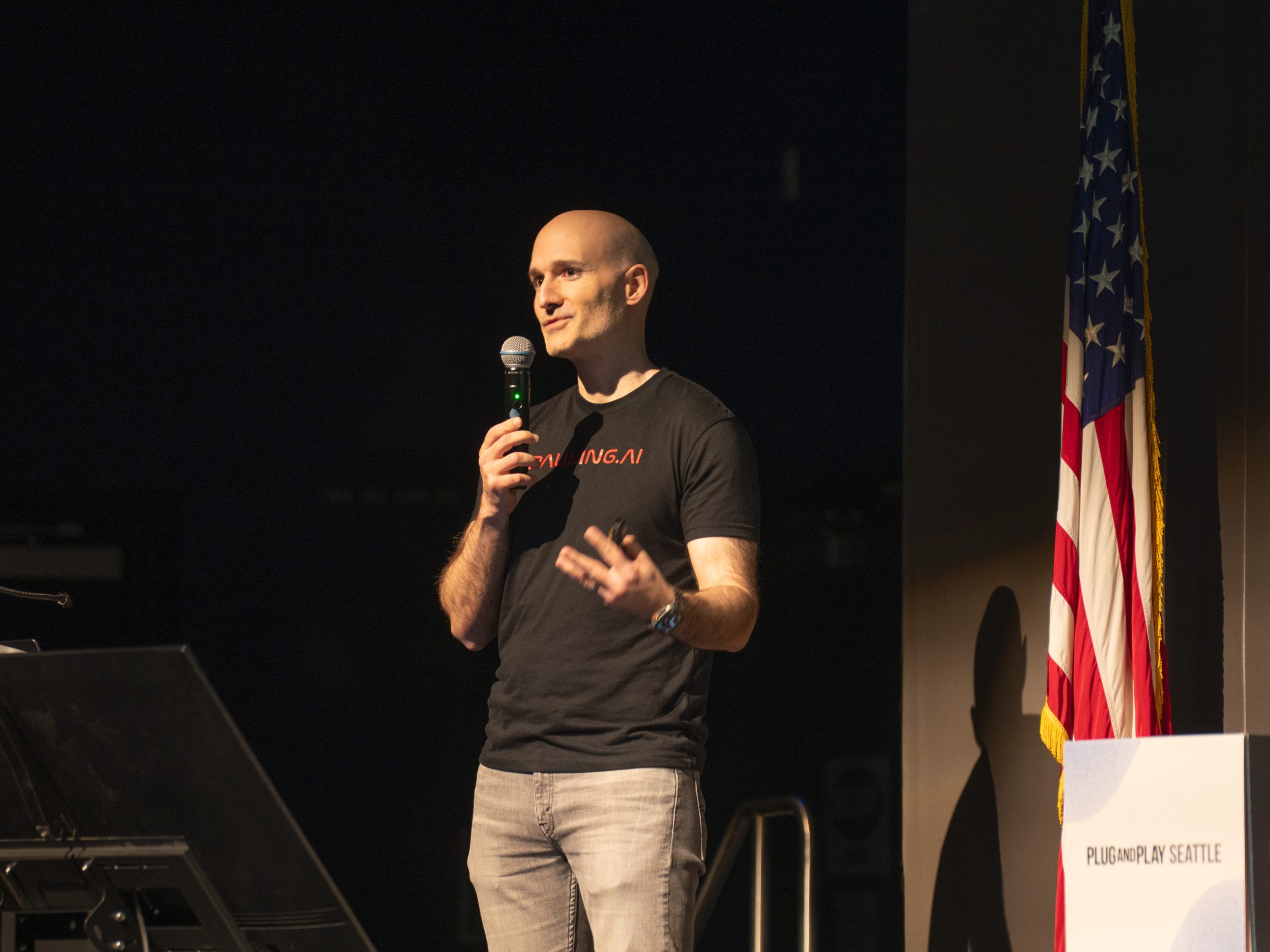
In the competitive landscape of biotech innovation, Seattle-based startup Pauling.AI is making significant strides in revolutionizing pharmaceutical research through artificial intelligence. Founded in 2024 by former Google technical director Javier Tordable, the company is developing sophisticated AI tools that dramatically compress the timeline for early-stage drug discovery. What traditionally required three to six months of painstaking laboratory work can now be accomplished in mere weeks through Pauling’s computational approach. This acceleration represents more than just efficiency gains—it embodies a vision where the current rate of 30-40 new drug approvals annually could potentially grow tenfold, offering hope for patients across a spectrum of diseases, including rare conditions often overlooked by mainstream pharmaceutical research.
The company operates on what Tordable describes as a “scientist-as-a-service” model, providing researchers and pharmaceutical companies with AI-powered solutions that handle complex computational chemistry challenges. Despite lacking formal training in biology or chemistry, Tordable brings valuable expertise in building advanced technological tools capable of managing intricate processes. His 16-year tenure at Google, particularly his leadership in healthcare and life sciences initiatives, has equipped him with the technical knowledge necessary to develop systems that can navigate the complexities of molecular interactions and drug candidate engineering. This background has proven instrumental in creating a platform that effectively bridges the gap between computational modeling and practical pharmaceutical development.
Pauling’s technological approach combines cutting-edge automation tools with existing large language models and comprehensive databases from diverse sources. The system performs sophisticated computational chemistry work—engineering potential drug candidates and modeling their interactions with cellular molecules and inhibitors. Rather than replacing laboratory research entirely, Pauling’s platform produces carefully curated lists of small-molecule compounds that scientists can then physically test in laboratory settings. While currently focused on small-molecule compounds, the company has ambitious plans to expand into more complex therapeutic candidates, including antibodies. This progression would significantly broaden the scope of diseases that could benefit from their accelerated discovery process.
The startup maintains a lean operational structure with six remote employees, including Chief Scientific Officer Oleksandr Savytskyi, whose background spans computational biology research in Ukraine and at the prestigious Mayo Clinic. This small but specialized team has already attracted attention from investors and clients alike, securing pre-seed funding from Flex Capital and various angel investors. Though Pauling currently serves fewer than a dozen customers, Tordable notes that these include several high-profile academic institutions—a testament to the perceived value and potential of their technology. The company’s ability to attract both investment and prestigious clients despite its recent founding speaks to the significant demand for AI-powered solutions in pharmaceutical research.
Pauling joins a growing ecosystem of AI-biotech ventures, particularly in the Pacific Northwest region. Companies like Vancouver’s Variational AI, Seattle-based startups Potato and Synthesize Bio, and San Francisco’s Xaira Therapeutics (which maintains Seattle laboratories) are all working at the intersection of artificial intelligence and drug discovery. Additionally, California nonprofit FutureHouse is contributing to this emerging field. This concentration of innovation indicates a broader industry shift toward computational approaches in pharmaceutical development—one that promises to fundamentally transform how new treatments are discovered and brought to market. The regional clustering of these companies may facilitate valuable knowledge exchange and collaboration opportunities that could further accelerate progress.
Beyond the business implications, Tordable emphasizes the humanitarian motivation driving Pauling’s work. By dramatically reducing both the time and financial investment required for drug development, the company aims to make it economically viable to pursue treatments for rare diseases—conditions that typically don’t attract investment from major pharmaceutical companies due to limited market potential. “The nice thing of working in this field is that we’re not necessarily doing it just for economic returns,” Tordable explains. “There’s also an enormous benefit to humanity.” This dual focus on innovation and impact represents the promising future of AI in healthcare: technologies that not only create business opportunities but fundamentally expand our capacity to address human suffering through medical science. As Pauling and similar ventures continue to refine their approaches, the dream of exponentially increasing the development of life-saving treatments moves closer to reality.