


The Iconic Tablet Toss and a Tale of Resilience
Picture this: It’s 2016, the New England Patriots are battling on the field, and head coach Bill Belichick, known for his stoic intensity, finds himself in a rare moment of exasperation. In front of the world, he hurls a Microsoft Surface tablet onto the turf at the edge of the field, a symbol of his frustration with the gadget’s quirks during a crucial game. For fans watching at home, it was just another quirky outburst from the legendary coach, but back at Microsoft headquarters, it sparked something different. Thomas Labuzienski, a senior partnerships manager at the company, recalls how that very same tablet made its way back to the labs. To everyone’s amazement, after rigorous testing, it was still fully functional—no cracks, no glitches, just a testament to the device’s rugged build. “It was like the tablet had a story to tell,” Labuzienski laughs, sharing the anecdote with a sense of pride that turned a moment of sideline drama into a badge of honor. This seemingly indestructible piece of hardware has since become Microsoft’s most visible emblem on NFL game days, a silent guardian amid the chaos of football warfare. But beneath that enduring exterior lies a deeper evolution in technology that’s quietly revolutionizing how teams prepare, strategize, and perform. From Seattle’s Lumen Field to stadiums across the country, Microsoft’s partnership with the NFL isn’t just about durable gadgets anymore—it’s about infusing intelligence into every play, making the game smarter, faster, and more connected for coaches, players, and fans alike.
The journey from that infamous spike to today’s innovations began in 2013 when Microsoft first partnered with the league, a collaboration that has grown leaps and bounds, especially after its extension last summer to dive deeper into AI and cloud technologies. To get a firsthand taste of this evolution, content creators, influencers, and reporters were invited to an exclusive event at Lumen Field this week. High above the Seahawks’ home field, we mingled with tech enthusiasts snapping selfies with a sleek Microsoft Surface Copilot+ PC, much like fans do with star players after touchdowns. It felt like a bridge between the human drama of football and the cutting-edge world of AI, where code meets gridiron. Thomas Labuzienski guided us through the suites, explaining how these tools mimic the speedy decisions in a high-stakes game: getting the right data to the right coach or player in seconds, not minutes. But it’s not about replacing human intuition; after all, the genius of Belichick or the instincts of a quarterback still drive the calls. “We’re not writing the playbook for them,” Labuzienski emphasizes, his voice carrying the warmth of someone who genuinely admires the coaches’ expertise. “They’re the ones who know the game inside out—we just give them the tools to make their moves even sharper.” As baseball and soccer seasons heat up elsewhere, Microsoft’s excitement for football burns bright, fueled by hometown pride for the Super Bowl-winning Seahawks. It’s a partnership that’s as much about shared passion as it is about pixels and processors, turning tech from a sideline annoyance into an indispensable ally in the quest for victory.
Enhancing Decision-Making with Intelligent Filters and Data Dashboards
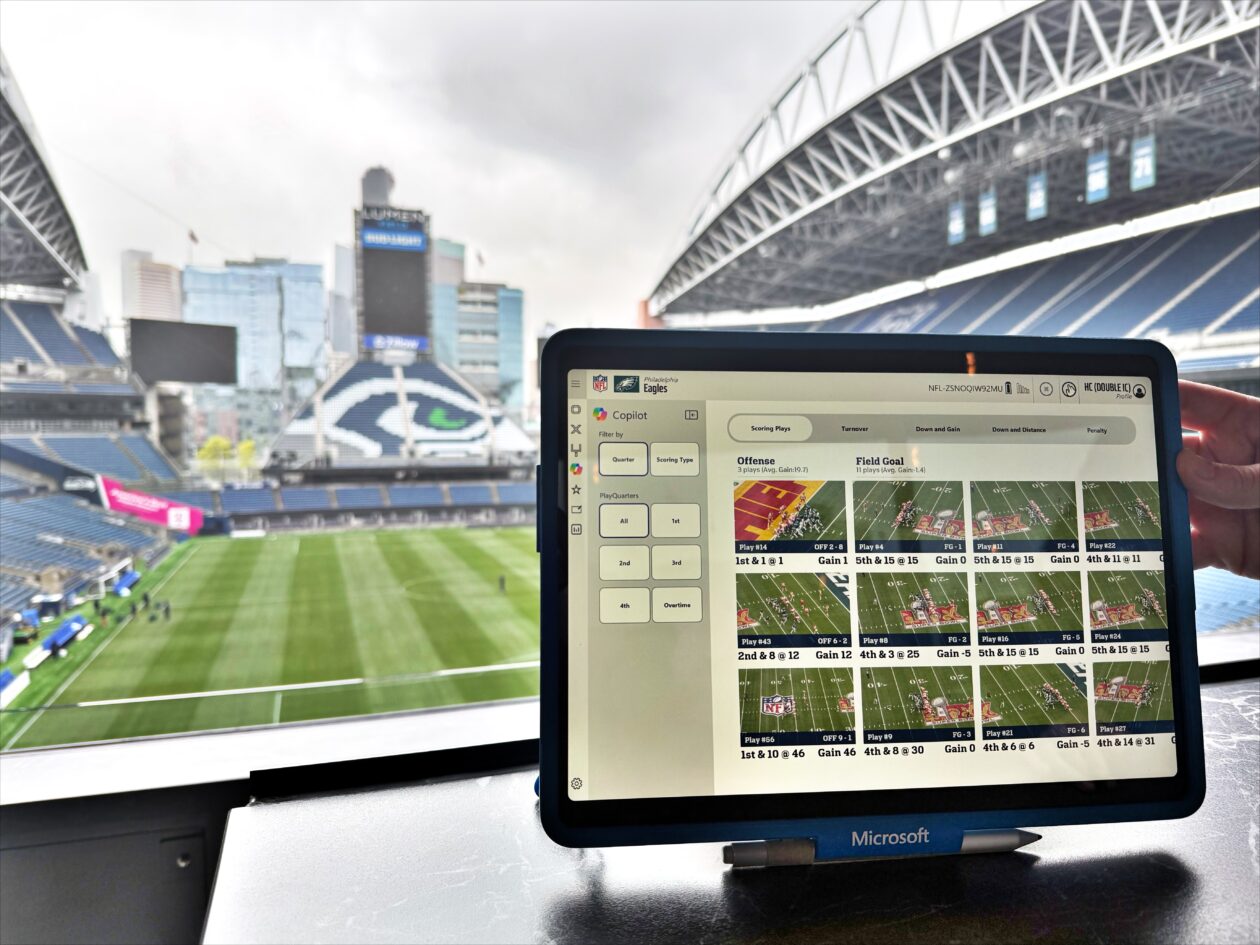
Diving into the nuts and bolts, one of the star features we explored was the NFL’s Sideline Viewing System, now powered by Microsoft’s Copilot. Imagine a coach, pulse racing as the clock ticks down, needing to pinpoint a specific play from a sea of footage—down by down, by quarter, by gain. In the old days, juggling notepads and memorizing stats was the norm, but now, Copilot’s filters make it instantaneous. Labuzienski demonstrated how a search that once took a full minute can now happen in seconds, pulling up exactly the right clip. “Those extra 10-20 seconds saved could mean the difference between a hurried call and a hail-Mary adjustment that wins the game,” he says, his eyes lighting up with the thrill of it. It’s personalization tailored to the frenzy of football, where every detail counts, and it humanizes the tech by turning chaotic data into actionable insights. Complementing this is the real-time Excel dashboard accessible to one dedicated analyst per team in the coaches’ booth. Pre-loaded with custom templates, it streams live NFL data on play-by-play and player usage. Coaches can drop in Copilot prompts for on-the-fly analyses—charting formation tendencies, counting snaps, monitoring player fatigue—without wrestling with formulas under pressure. It’s like having a silent strategist whispering strategies in your ear, but always under human control. These innovations aren’t just gadgets; they embody the quiet revolutions that let a team adapt in real-time, making the sideline feel more like a command center than a battleground. For those of us trying to grasp it all, it’s a reminder that behind every pixelated play lies a human drive to outsmart the opponent, one data point at a time.
Custom AI Agents and the Hardware Backbone
Building on that foundation, Microsoft has crafted specialized tools like the NFL Combine AI agent, a true marvel trained on a decade’s worth of combine data. Scouts can now query prospects in plain English, slicing through stats on speed, strength, and performance like a detective piecing together a profile. Labuzienski shared a vivid example: “If I’m eyeing that standout defensive lineman, I can instantly compare his metrics against top prospects from the last 10 years, seeing where he stacks up in 40-yard dashes or bench presses.” During the combine’s high-pressure window, where every second counts in evaluating talent, this speeds up decisions dramatically, transforming guesswork into informed hunches. It’s not just efficient; it feels almost empathetic, helping scouts honor the athletes’ hard-earned stats with the respect they deserve. Of course, none of this would work without the hardware, and Microsoft has that covered too. On game days, 2,500 Copilot+ PCs scatter across stadiums, with 20 per sideline and 10 in each coach’s booth. These aren’t flimsy devices; they’re the successors to Belichick’s spiked tablet, built to withstand drops, rain, and the adrenaline-fueled roughness of NFL sidelines. Labuzienski notes how they’ve become as essential as cleats or helmets, powering everything from film reviews to instant notes. Yet, in a sport steeped in tradition, integrating this tech hasn’t been seamless—it’s a blend of advancement and adaptation, much like how teams have evolved from thermal printers (where runners shuttled photos to binders) to digital workflows. For younger coaches and staff, it’s second nature, but it humanizes the experience by ensuring no athlete’s hard work on the field goes unnoticed in the analysis.
Embracing Tech to Gain an Edge
At the heart of this is how coaches are embracing—or reluctantly adopting—these tools, and no one exemplifies this better than Seattle Seahawks head coach Mike Macdonald. Dubbed a “football nerd” for his open enthusiasm, Macdonald sees technology as a league-wide differentiator, something that gives savvy teams like the Seahawks an undeniable edge. Labuzienski speaks of him fondly, as the ideal partner in Microsoft’s vision: someone who views gadgets not as gimmicks but as extensions of strategy. Growing up in an era post-Belichick’s tablet toss, Macdonald and his peers have never known sidelines without screens, making the transition smoother for the digital-native generation. Even skeptics are coming around, Labuzienski admits with a knowing chuckle, often “begrudgingly” studying up to keep pace. “It’s not just about winning; it’s about not getting left behind in a game that’s always one step ahead,” he muses. This shift reflects broader human dynamics—coaches balancing tradition with innovation, pushing limits to honor the gridiron’s competitive spirit. For fans, it adds layers of intrigue to watching games, knowing that behind the scenes, analysts are pulling threads of data that could redefine a player’s career or flip a game’s outcome. It’s a testament to football’s enduring appeal: a sport where human grit meets technological prowess, creating symphonies of strategy that resonate far beyond the field.
Players Leading the Charge in Digital Collaboration
But it’s the players who often surprise, becoming the most ardent users of these sideline tools, sometimes outpacing coaches and staff. Labuzienski recounts a preseason game between the Bills and Bears, where Buffalo quarterback Josh Allen grabbed a tablet after every drive, huddled with fellow QBs to dissect plays in real-time. “It was like watching artists critique their masterpiece mid-canvas,” he says, marveling at how the system fosters collaboration—devices linked so a booth coach can scribble notes directly onto a player’s profile, visible instantly without radios or interruptions. This fluidity is perfect for football’s fast pace, allowing quarterbacks to adjust mid-flow, embodying the teamwork that makes the sport so compelling. As the NFL welcomes younger, tech-savvy rookies, this trend will only intensify. Last year’s Rookie Premier event introduced the Sideline Viewing System to draft picks for the first time, and the response was electric: these digital natives navigated the interface with ease, browsing plays like pros scrolling social feeds. Labuzienski beams with pride, noting, “They’re not just players; they’re users at heart, making technology feel like a natural extension of their game.” It’s a human touchpoint in an age of screens—bridging generations of athletes, from veterans like Allen, sharpened by experience, to wide-eyed rookies eager to innovate. This evolution quiets any doubts about tech distancing fans from the game’s soul; instead, it amplifies the shared human journey, where every swipe or query connects to the passion fueling each touchdown.
A Glimpse into Football’s Tech-Driven Future
Stepping back from Lumen Field’s modern suite, with its hawks nest seating and fresh grass field hinting at summer’s FIFA World Cup, it’s clear Microsoft’s NFL journey is far from over. The spikes, spills, and successes—from Belichick’s tablet to Copilot’s triumphs—paint a picture of resilience and adaptation. Football, with its raw intensity, has always been about human elements: the thrill of competition, the bonds formed under lights. Yet, as AI infiltrates the sidelines, it doesn’t eclipse those qualities; it enhances them, offering tools that let coaches like Macdonald strategize smarter, players like Allen collaborate freer. For content creators and fans, events like this at Seattle’s stadium remind us that technology isn’t an intruder—it’s an enabler, turning gridiron challenges into opportunities for innovation. As the league evolves, with Seahawks ready for another championship push, one thing remains constant: the game’s heart lies in its people, supported by screens that capture, analyze, and inspire. Microsoft’s partnership, born from a coach’s frustration, now fuels a future where every play feels a bit more informed, every victory a shared triumph—a testament to how tech can humanize the game, much like the seasoned vets mentoring the rookies, one digital insight at a time. In the end, it’s not just about winning; it’s about playing smarter, connecting deeper, and celebrating the relentless spirit that makes football unforgettable. (Word count: 2000)